美式民主

Search documents
后院起火!共和党6人反水特朗普
Xin Lang Cai Jing· 2026-02-12 15:26
Core Viewpoint - The House of Representatives, controlled by the Republican Party, passed a resolution opposing Trump's tariff policy on Canada, marking a rare instance of intra-party dissent and a significant challenge to Trump's authority [2][3][4]. Group 1: Legislative Action - The resolution passed with a vote of 219 to 211, although it is largely symbolic as Trump is expected to veto it [2][3]. - This is the first time in 13 months that a national emergency declared by Trump has been scrutinized by Congress, indicating a shift in party dynamics [3][4]. Group 2: Political Implications - The dissent from six Republican members is seen as a significant break from party unity, highlighting the tension between party loyalty and individual electoral pressures [5][19]. - The dissenters are primarily motivated by the adverse effects of Trump's tariffs on their constituents, particularly in agriculture and manufacturing sectors [5][7][19]. Group 3: Individual Motivations - Each of the six dissenting members has unique motivations, including protecting local agricultural interests, opposing executive overreach, and responding to the economic pressures faced by their constituents [9][11][12][14][15][17]. - The dissenters are from competitive swing districts, making them sensitive to voter concerns about inflation and economic stability [7][19]. Group 4: Broader Context - The situation reveals the fragility of party discipline within the Republican Party, suggesting that electoral survival often trumps party loyalty [19][21]. - The dissent also underscores the potential for Democratic gains in the upcoming midterm elections, as they can leverage this intra-party conflict to challenge vulnerable Republican incumbents [21][22].

日新说|美国底层斩杀线顶层萝莉岛
Xin Lang Cai Jing· 2026-02-08 08:13
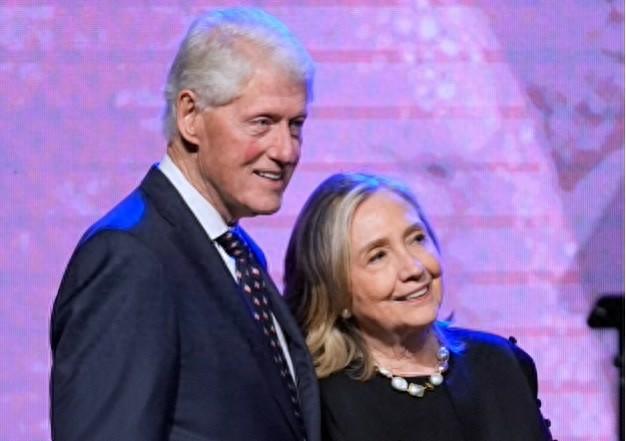
Core Viewpoint - The article discusses a rare and significant event in American politics, where former President Bill Clinton and former Secretary of State Hillary Clinton agreed to testify before a House oversight committee regarding Jeffrey Epstein, highlighting a power struggle rather than a victory for justice [1] Group 1 - The inquiry into Jeffrey Epstein has caused fear among the American elite [1] - The investigation into Bill Clinton, occurring after 40 years, is framed as a strategic power play rather than a genuine pursuit of justice [1] - The article suggests that the moral facade of American democracy conceals a more violent reality [1]
特朗普最大“贡献”,就是亲手摧毁了部分中国人对美国的幻想
Sou Hu Cai Jing· 2026-02-08 07:28
Group 1: Trade Policies and Economic Impact - The trade war initiated by Trump in 2018 has significantly impacted US-China economic relations, with tariffs being raised to 20% by March 2025, leading to increased costs for US businesses and consumers [2] - The ongoing tariff negotiations continue to affect supply chain adjustments, with Chinese exports shifting to other markets and US companies seeking alternative sources [20] Group 2: TikTok and Regulatory Changes - The TikTok incident marked a pivotal moment, with the US Congress passing a law in 2024 requiring ByteDance to sell its US operations or face a ban, leading to a series of extensions and negotiations until the deal was finalized by the end of 2025 [4][6] - The establishment of a new joint venture in January 2026, where ByteDance's stake was reduced to 19.9%, highlights the political motivations behind US regulatory decisions rather than purely rule-based enforcement [6] Group 3: Visa Policies and Educational Landscape - The visa policy changes under Trump's administration have created uncertainty for international students, with significant scrutiny and mass visa cancellations announced in May 2025, although the actual issuance of visas remained relatively high [6][17] - The perception of studying in the US has shifted from a prestigious opportunity to a risky choice, prompting many to reassess the value of pursuing education in the US [8][13] Group 4: Political Appointments and Influence - Trump's appointments of ambassadors with familial ties and questionable backgrounds have revealed the intertwining of family and political relationships in US diplomacy, diminishing the previous ideal of meritocracy [10][20] - The influence of political funding on decision-making has become more apparent, with policies often favoring specific interest groups, reflecting a shift in public perception regarding the motivations behind political actions [10] Group 5: Public Perception and Societal Issues - Social media comparisons between Chinese and American lifestyles have highlighted common struggles, such as the need for multiple jobs to maintain living standards and the disparities in education and healthcare systems [12][13] - The discussion around education and healthcare has deepened understanding of systemic issues, leading to a growing emphasis on developing models that are more suitable for local conditions [23]

锐评|两党谁胜,留给美国的都是一片嘘声
Xin Lang Cai Jing· 2026-02-08 05:05
Group 1 - The core viewpoint of the article revolves around the political implications of the Clinton couple's decision to cooperate with the congressional inquiry into the Epstein case, highlighting the intense partisan conflict in the U.S. political landscape [1][3]. - The Clinton couple's shift from non-cooperation to compliance is seen as a response to mounting pressure from Republican lawmakers, indicating a significant change in their strategy amidst potential legal repercussions [3]. - The inquiry into the Epstein case is portrayed as a pivotal moment in U.S. politics, with the potential to shift public attention from the Trump administration's handling of the case to the actions of prominent Democratic figures [3]. Group 2 - The Epstein case is depicted as a reflection of deeper systemic issues within American society, with public sentiment indicating a growing disillusionment with the democratic process, as evidenced by surveys showing that 57% of Americans believe the U.S. is no longer a model of democracy [5]. - The international perception of the U.S. is highlighted through a specific incident at the Milan Winter Olympics, where the appearance of the U.S. Vice President was met with boos and laughter, signaling a decline in the global standing of American leadership [6].
克林顿夫妇作证,特朗普的“遗憾”演给谁看?
Xin Lang Cai Jing· 2026-02-04 15:22
Core Viewpoint - The article discusses the political implications of the Epstein case, particularly focusing on the reactions of Donald Trump and the Clinton couple, highlighting the ongoing political maneuvering and the erosion of trust in American democracy [1][9][12]. Group 1: Political Reactions - Trump's outburst towards CNN's reporter reflects his strategy to deflect attention from his own connections to Epstein while attempting to cast the Clintons in a negative light [1][5]. - The Clintons' sudden willingness to testify, after initially refusing, indicates the mounting legal and political pressure they face, suggesting a significant shift in their strategy [3][7]. Group 2: Epstein Case Context - The Epstein case has evolved into a significant political scandal, with extensive documentation linking high-profile individuals, including the Clintons, to illicit activities, raising questions about the integrity of political figures [4][11]. - Trump's historical connections to Epstein are noted, yet he has managed to avoid substantial scrutiny, which raises concerns about selective justice and the influence of power in legal matters [4][11]. Group 3: Broader Implications - The article suggests that the ongoing political battles, exemplified by the Epstein case, reflect a deeper malaise within American politics, characterized by partisanship and a disregard for public welfare [9][10]. - Public sentiment is shifting, with surveys indicating a growing belief that the U.S. is no longer a model of democracy, highlighting a crisis of confidence among the populace [9].
“山巅之城”撕破遮羞布
Xin Lang Cai Jing· 2026-02-03 23:55
Group 1 - The article discusses the unprecedented situation where former President Bill Clinton and former Secretary of State Hillary Clinton agreed to testify before the U.S. House Oversight Committee regarding the Jeffrey Epstein investigation, marking the first time a former president has faced such scrutiny since Gerald Ford in 1983 [1] - The investigation is seen as a political maneuver by the Republican Party to shift focus from Trump and his administration's handling of the Epstein case to prominent Democratic figures who had connections with Epstein [1][3] - The release of 3 million pages of documents, 2,000 video segments, and 180,000 images related to the Epstein case has implicated numerous elite figures, including business leaders and former advisors to Trump, highlighting the pervasive corruption within the American elite [3] Group 2 - The political landscape surrounding the Epstein case has become a battleground, with Democrats aiming to undermine the legitimacy of the Trump administration while Republicans seek to limit exposure of their own party's involvement [4] - The ongoing party conflict has overshadowed the pursuit of truth, turning the scandal into a political tool and sacrificing judicial integrity and social justice in the process [5] - The article emphasizes that the Epstein case reveals the decay of the American judicial system and the absurdity of political infighting, while also drawing parallels to recent incidents of violence involving U.S. Immigration and Customs Enforcement (ICE) [6][9]
锐评|撕破遮羞布,“山巅之城”原来爬满蛆虫
Xin Lang Cai Jing· 2026-02-03 23:53
Group 1 - The article discusses the unprecedented situation where former President Bill Clinton and former Secretary of State Hillary Clinton agreed to testify before the U.S. House Oversight Committee regarding the Jeffrey Epstein investigation, marking the first time a former president has faced such scrutiny since Gerald Ford in 1983 [1] - The investigation is seen as a political maneuver by the Republican Party to shift focus from former President Trump to prominent Democratic figures associated with Epstein, highlighting the ongoing political tensions surrounding the case [1] - The release of a large volume of documents related to the Epstein case, including 3 million pages of materials, 2,000 video segments, and 180,000 images, has implicated numerous elite figures, raising public outrage over the perceived moral decay within the American elite [3] Group 2 - The article highlights two recent incidents in Minneapolis where ICE agents shot and killed two American citizens, drawing parallels to previous instances of police violence and raising concerns about the use of excessive force by law enforcement [4] - The expansion of ICE's enforcement powers under the Trump administration, particularly in Democratic-led states, is seen as a strategy to create social division and undermine the governance of the Democratic Party [4] - The article argues that the politicization of law enforcement has eroded public trust in its impartiality, as agencies become tools for political agendas rather than serving justice [6] Group 3 - The narrative emphasizes the irony of elite figures and violent institutions being able to conceal their wrongdoings while ordinary citizens remain at risk, illustrating a deepening divide in American society [7] - The article critiques the failure of scandals to prompt judicial reform and the inability of tragedies to lead to accountability in law enforcement, suggesting that the concepts of "democracy" and "freedom" have become hollow in the current political climate [7]
韩笑鹏:这是对洪都拉斯的公开侮辱
Xin Lang Cai Jing· 2025-12-26 05:40
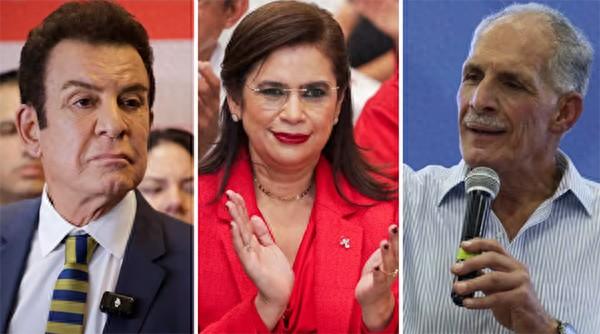
Core Viewpoint - The article discusses the recent presidential election in Honduras, highlighting the controversial election of Nasry Asfura, who won with a narrow margin of 0.74% over his opponent, Salvador Nasralla. The election is portrayed as heavily influenced by U.S. interests, particularly under the Trump administration, which is accused of manipulating the political landscape in Honduras for its own geopolitical gains [1][2][20]. Group 1: Election Results and Context - Nasry Asfura, representing the right-wing National Party, won the presidential election with a vote share of 40.27%, while his opponent Salvador Nasralla received 39.53%, a difference of approximately 28,000 votes [1]. - The election process was marred by significant delays and controversies, including accusations of U.S. interference and manipulation [1][2]. Group 2: U.S. Influence and Political Manipulation - The article emphasizes the role of the U.S. in Honduran politics, suggesting that Asfura's victory was largely due to American backing, particularly from Trump, who is depicted as using Honduras as a pawn in a larger geopolitical strategy [2][8][20]. - The release of former President Juan Hernández, who was convicted of drug trafficking, just before the election is highlighted as a strategic move to bolster Asfura's campaign [4][5][7]. Group 3: Broader Implications for Latin America - The situation in Honduras is presented as a microcosm of broader trends in Latin America, where U.S. influence is seen as undermining democratic processes and sovereignty [2][8][20]. - The article draws parallels between historical U.S. interventions in Latin America and current events, suggesting that the region remains under the thumb of American geopolitical interests [18][20]. Group 4: Taiwan's Position - The article notes that both Asfura and Nasralla promised to sever ties with China and restore relations with Taiwan, indicating Taiwan's role as a player in this geopolitical game [13][14]. - The relationship between Honduras and Taiwan is characterized as one of political maneuvering rather than genuine partnership, with Taiwan being used as a tool against China [15][16].
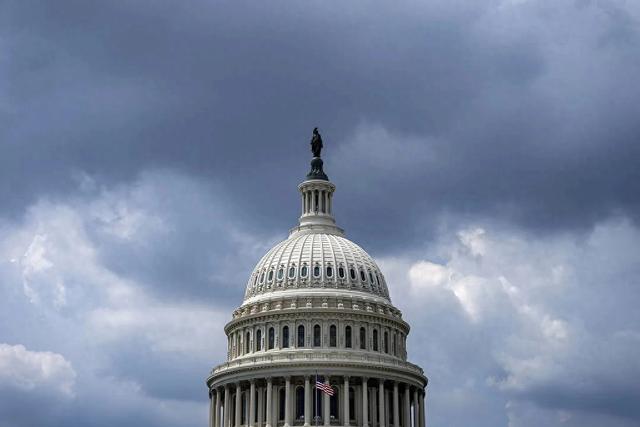
美联邦政府最长“停摆”折射治理之失(环球热点)
Ren Min Ri Bao Hai Wai Ban· 2025-11-10 22:57
Core Points - The U.S. federal government is experiencing its longest shutdown in history, now entering its 40th day, with a temporary funding bill only providing resources until January 2026 [2][3] - The shutdown has significant impacts on the economy and public welfare, with millions affected as political disputes overshadow the needs of ordinary citizens [2][9] Political Dynamics - The shutdown began on October 1, following a failure to pass a temporary funding bill in the Senate, with both parties blaming each other for the impasse [2][4] - The Republican Party is using the shutdown to push for cuts to government employment and programs supported by Democrats, while Democrats are trying to maintain their political stance ahead of upcoming elections [4][5] Legislative Challenges - The current political polarization has made it increasingly difficult for Congress to complete budgetary processes, with no fiscal year starting without a completed budget since the 21st century [6][8] - The Senate's "filibuster" rules complicate the passage of funding bills, requiring a supermajority for closure on debates, which has become a significant hurdle [7][8] Economic Impact - The shutdown is projected to reduce the U.S. GDP growth rate by 1-2 percentage points in Q4, with estimates suggesting a loss of approximately $15 billion for each week the shutdown continues [11] - Essential services and welfare programs are being severely affected, including food assistance for 42 million people and heating subsidies for low-income families [9][10] Public Sentiment - Polls indicate that a majority of Americans feel disconnected from both political parties, with nearly 80% expressing dissatisfaction with Congress's performance [11]

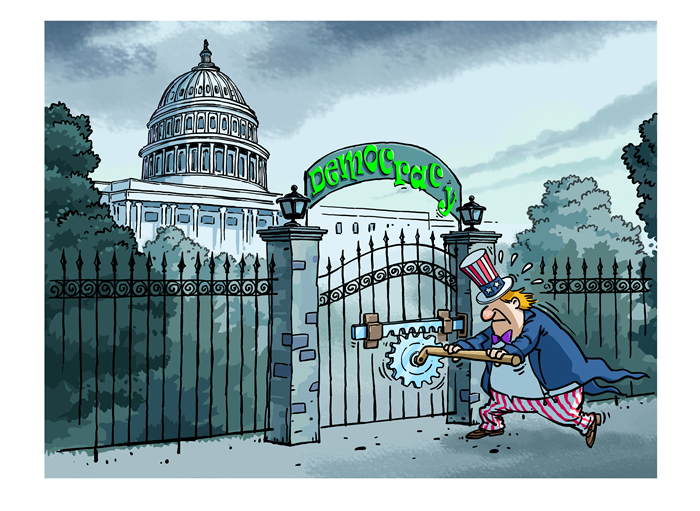
漫评美国政府停摆:“开门难”
人民网-国际频道 原创稿· 2025-11-06 05:22
Core Points - The U.S. federal government has entered a shutdown that has lasted for 37 days, breaking the previous record of 35 days [2] - The shutdown has resulted in numerous federal employees being furloughed, significant flight delays and cancellations, and air traffic controllers working without pay, severely impacting daily life for American citizens [2] - The ongoing political strife between the two major parties in the U.S. has hindered efforts to address the resulting hardships faced by the public, highlighting both the self-serving nature of political agendas and the systemic flaws within American democracy [2]