党争

Search documents
特朗普的愤怒在升级!日本表忠心,白宫高官:随时可对中国加关税
Sou Hu Cai Jing· 2026-02-23 02:49
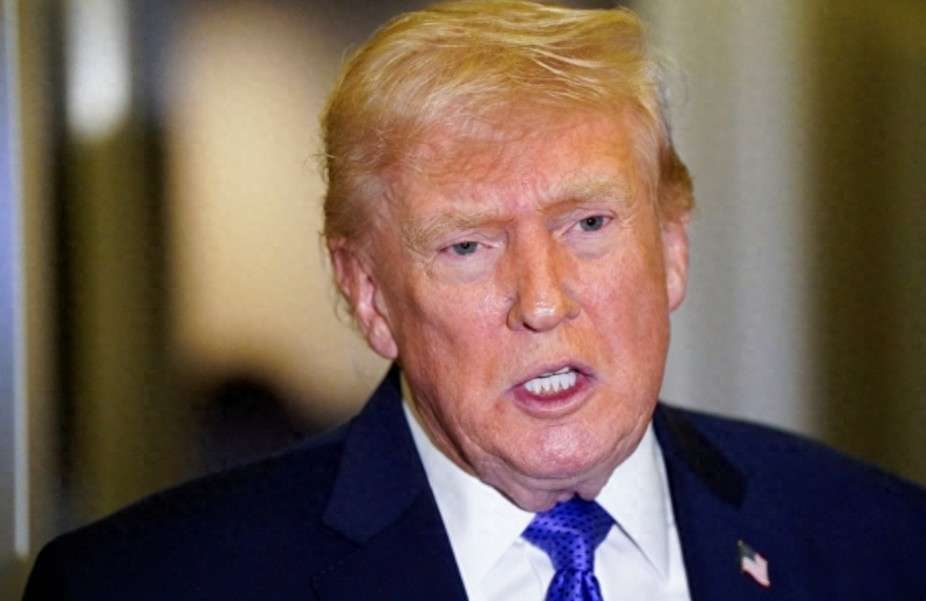
Group 1 - Trump's anger is escalating following the Supreme Court's ruling that his tariff measures are illegal, leading him to increase tariffs from 10% to 15% on global imports [1] - Trump presents himself as a law-abiding leader while expressing his anger, emphasizing the legality of the 15% tariff to maintain a facade of compliance with the law [1] - Trump's emotional appeal is evident as he portrays himself as a victim of betrayal while raising tariffs, effectively using simple language to connect with voters [3] Group 2 - The Democratic Party is seizing the opportunity to counter Trump, with California Governor Newsom calling for refunds to American families and businesses for the illegal tariffs imposed by Trump [5] - The political landscape is becoming increasingly complex for Trump as the Democrats prepare for upcoming midterm elections and potentially the 2028 presidential election [9] - Japan's commitment to the U.S. remains strong despite the Supreme Court ruling, as they continue to support Trump's policies, contrasting with India's more flexible stance on trade negotiations [11][12] Group 3 - Despite the Supreme Court ruling, the White House indicates that Trump still has various legal avenues to impose tariffs on China, suggesting that his global taxation plans may continue [6][12] - Concerns arise regarding the potential negative impact on U.S. agriculture if China reduces purchases of American soybeans due to tariff changes [11] - The administration's confidence in maintaining leverage over China may be more of a psychological reassurance for Trump rather than a reflection of actual trade power dynamics [11]

“山巅之城”撕破遮羞布
Xin Lang Cai Jing· 2026-02-03 23:55
Group 1 - The article discusses the unprecedented situation where former President Bill Clinton and former Secretary of State Hillary Clinton agreed to testify before the U.S. House Oversight Committee regarding the Jeffrey Epstein investigation, marking the first time a former president has faced such scrutiny since Gerald Ford in 1983 [1] - The investigation is seen as a political maneuver by the Republican Party to shift focus from Trump and his administration's handling of the Epstein case to prominent Democratic figures who had connections with Epstein [1][3] - The release of 3 million pages of documents, 2,000 video segments, and 180,000 images related to the Epstein case has implicated numerous elite figures, including business leaders and former advisors to Trump, highlighting the pervasive corruption within the American elite [3] Group 2 - The political landscape surrounding the Epstein case has become a battleground, with Democrats aiming to undermine the legitimacy of the Trump administration while Republicans seek to limit exposure of their own party's involvement [4] - The ongoing party conflict has overshadowed the pursuit of truth, turning the scandal into a political tool and sacrificing judicial integrity and social justice in the process [5] - The article emphasizes that the Epstein case reveals the decay of the American judicial system and the absurdity of political infighting, while also drawing parallels to recent incidents of violence involving U.S. Immigration and Customs Enforcement (ICE) [6][9]
锐评|撕破遮羞布,“山巅之城”原来爬满蛆虫
Xin Lang Cai Jing· 2026-02-03 23:53
Group 1 - The article discusses the unprecedented situation where former President Bill Clinton and former Secretary of State Hillary Clinton agreed to testify before the U.S. House Oversight Committee regarding the Jeffrey Epstein investigation, marking the first time a former president has faced such scrutiny since Gerald Ford in 1983 [1] - The investigation is seen as a political maneuver by the Republican Party to shift focus from former President Trump to prominent Democratic figures associated with Epstein, highlighting the ongoing political tensions surrounding the case [1] - The release of a large volume of documents related to the Epstein case, including 3 million pages of materials, 2,000 video segments, and 180,000 images, has implicated numerous elite figures, raising public outrage over the perceived moral decay within the American elite [3] Group 2 - The article highlights two recent incidents in Minneapolis where ICE agents shot and killed two American citizens, drawing parallels to previous instances of police violence and raising concerns about the use of excessive force by law enforcement [4] - The expansion of ICE's enforcement powers under the Trump administration, particularly in Democratic-led states, is seen as a strategy to create social division and undermine the governance of the Democratic Party [4] - The article argues that the politicization of law enforcement has eroded public trust in its impartiality, as agencies become tools for political agendas rather than serving justice [6] Group 3 - The narrative emphasizes the irony of elite figures and violent institutions being able to conceal their wrongdoings while ordinary citizens remain at risk, illustrating a deepening divide in American society [7] - The article critiques the failure of scandals to prompt judicial reform and the inability of tragedies to lead to accountability in law enforcement, suggesting that the concepts of "democracy" and "freedom" have become hollow in the current political climate [7]
【环球财经】美国从最长“停摆”走向下次“停摆”
Xin Hua She· 2025-11-13 09:44
Core Points - The U.S. Congress passed a temporary funding bill, ending the longest government shutdown in history at 43 days, signed into law by President Trump [1][2] - Despite the temporary compromise between Democrats and Republicans, core disagreements over healthcare spending remain unresolved, indicating a potential future shutdown crisis [1][4] Group 1: Legislative Actions - The House of Representatives voted 222 to 209 in favor of the temporary funding bill, showcasing ongoing partisan tensions during the debate [2] - The shutdown began on October 1 when the Senate failed to pass a new funding bill before government funds were exhausted, leading to a record duration of the shutdown [2][7] Group 2: Political Implications - Analysts suggest that both parties view the shutdown as a means to advance their political agendas, with the Trump administration using it to push for government downsizing and Democrats aiming to strengthen internal cohesion [2][4] - The compromise has led to internal criticism within the Democratic Party, as some members who voted in favor faced backlash, highlighting divisions [4][5] Group 3: Future Risks - The temporary funding bill will provide funding at current levels until January 30, 2026, but negotiations for annual appropriations will continue, raising the possibility of another shutdown in the near future [7] - Historical data shows that since 1980, there have been 15 government shutdowns, with the frequency and duration of recent shutdowns indicating systemic issues within U.S. governance [7][8]
美国联邦政府遭遇史上最长“停摆” 民众不得不承担“否决政治”代价
Yang Shi Wang· 2025-11-13 03:51
Core Points - The current U.S. federal government shutdown has lasted over 6 weeks, breaking the previous record of 35 days [1] - The shutdown is a result of the inability of Congress to pass a new annual budget due to intense partisan conflicts, leading to attempts at temporary funding measures [1] - The House of Representatives, controlled by Republicans, passed a temporary funding bill, but it failed to pass in the Senate due to disagreements over healthcare provisions [3] - The Senate has held 14 votes on the temporary funding bill without success, leading to the government shutdown as of October 1 [5] - The shutdown has caused significant disruptions, including absenteeism among air traffic controllers and delays in food assistance programs affecting millions of Americans [7] - Only 3 out of the required 12 annual budget appropriations have been passed, indicating a potential for future shutdowns if negotiations do not progress [9]
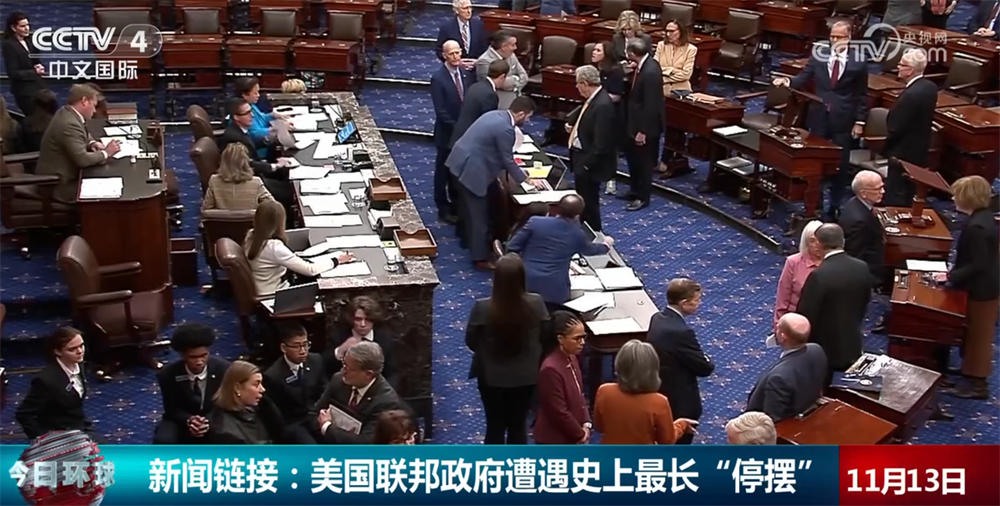
特朗普酿成大祸!拒谈预算拖垮美国,政府停摆39天,民心走向崩溃
Sou Hu Cai Jing· 2025-11-10 06:59
Core Points - The U.S. federal government shutdown has reached its 39th day, breaking the previous record of 35 days set in late 2018, marking the longest shutdown in U.S. history [1] - Initially perceived as a short-term political issue, the shutdown has escalated into a nationwide crisis affecting everyday citizens, particularly at airports where chaos has ensued [3][5] - The shutdown has resulted in significant economic losses, with the aviation industry alone suffering over $100 million daily, not accounting for the time costs incurred by passengers [5][8] Economic Impact - Nearly 1,000 flights were canceled on November 7, with many others delayed or uncertain, leading to passengers sleeping on the floor of terminals [5] - Approximately 42 million low-income individuals relying on food assistance are facing delays in receiving benefits, causing long lines at food banks [8] - Federal employees have gone over a month without pay, forcing many to rely on credit cards or take on additional jobs to make ends meet [8] Political Dynamics - The budget approval process has been stalled due to a lack of consensus between the two major political parties, with 14 failed votes to pass a temporary funding bill [8][12] - The core dispute centers around healthcare subsidies, with Democrats wanting to maintain funding for the Affordable Care Act while Republicans seek to cut spending [12] - The shutdown reflects deeper political polarization, with both parties unwilling to compromise, leading to a situation where unrelated issues are being tied to budget negotiations [20] Historical Context - This is not the first government shutdown; there have been 21 instances since 1977, with an average duration of about 8 days [16] - Previous shutdowns have typically ended with some concessions from both parties, but the current situation indicates a significant breakdown in bipartisan cooperation [16][25] Public Sentiment - Polls indicate widespread dissatisfaction among the public, with many believing that both parties are neglecting the needs of the citizens [24] - The ongoing political strife is eroding public trust in the government, which poses a greater risk than the economic implications of the shutdown [28]
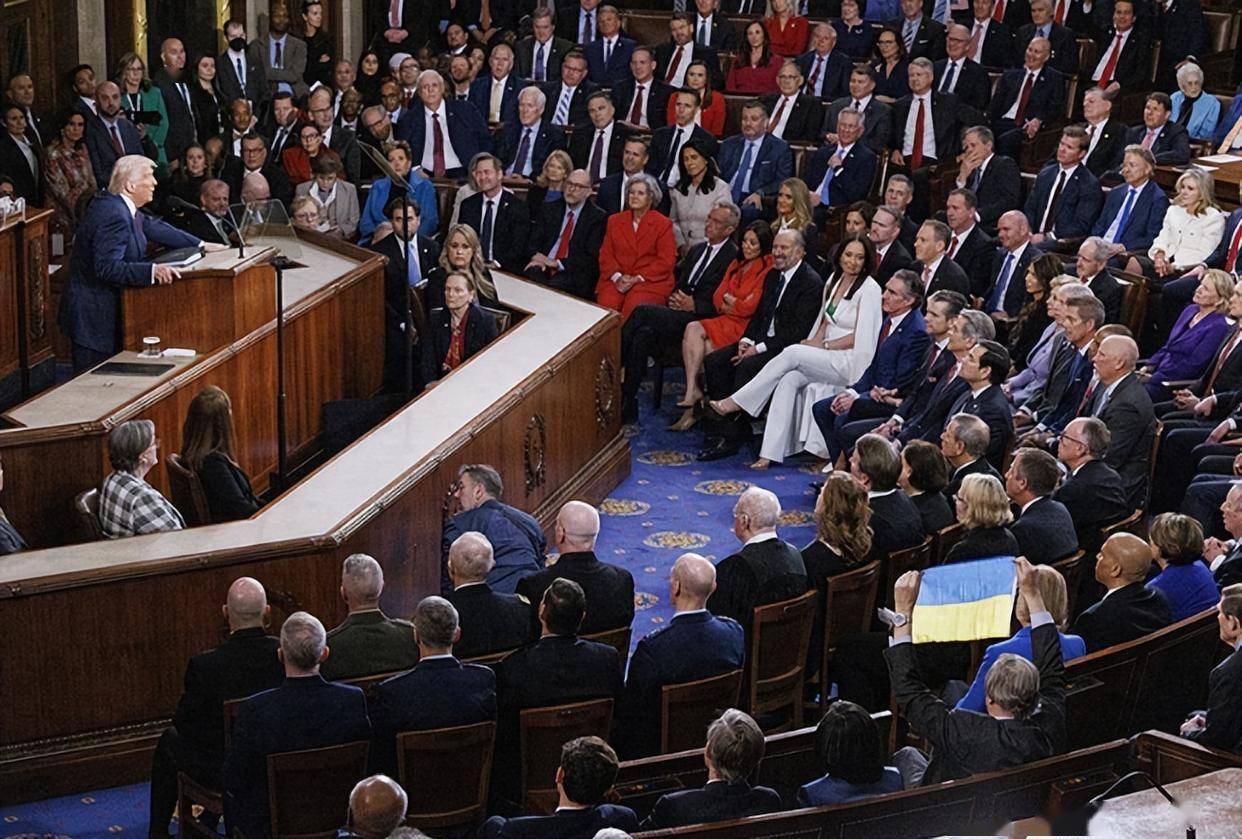
白宫停摆3周后,美联储暗示有大动作,贝森特:中国在对抗全世界
Sou Hu Cai Jing· 2025-10-16 03:10
Group 1 - The ongoing government shutdown in the U.S. has entered its third week, primarily due to long-standing conflicts between the Democratic and Republican parties, with both sides attempting to leverage the shutdown to force budget compromises [1][3] - The focal point of the conflict is the subsidies under the Affordable Care Act, with Democrats advocating for their extension to protect millions from losing healthcare, while Republicans oppose it, accusing Democrats of using public welfare as a political tool [3] - The shutdown has resulted in over 800,000 federal employees being placed on unpaid leave, national parks closing, and significant flight delays due to insufficient air traffic control staff, exacerbating public welfare issues [3] Group 2 - The economic impact of the shutdown is significant, with an estimated loss of $15 billion in GDP for each week it continues, and projections indicate that over 40,000 jobs could be lost if the situation persists into November [3] - The Federal Reserve, led by Chairman Powell, is expected to implement a 0.25 percentage point interest rate cut by the end of October and will halt the withdrawal of funds from the market to maintain liquidity and encourage hiring and consumer spending [4] - The U.S. Treasury Secretary has shifted focus to China, claiming that China's control over rare earth exports is a global challenge, despite the fact that the U.S. has imposed multiple restrictions on Chinese high-tech products, indicating a potential misalignment in trade policy [4][5]
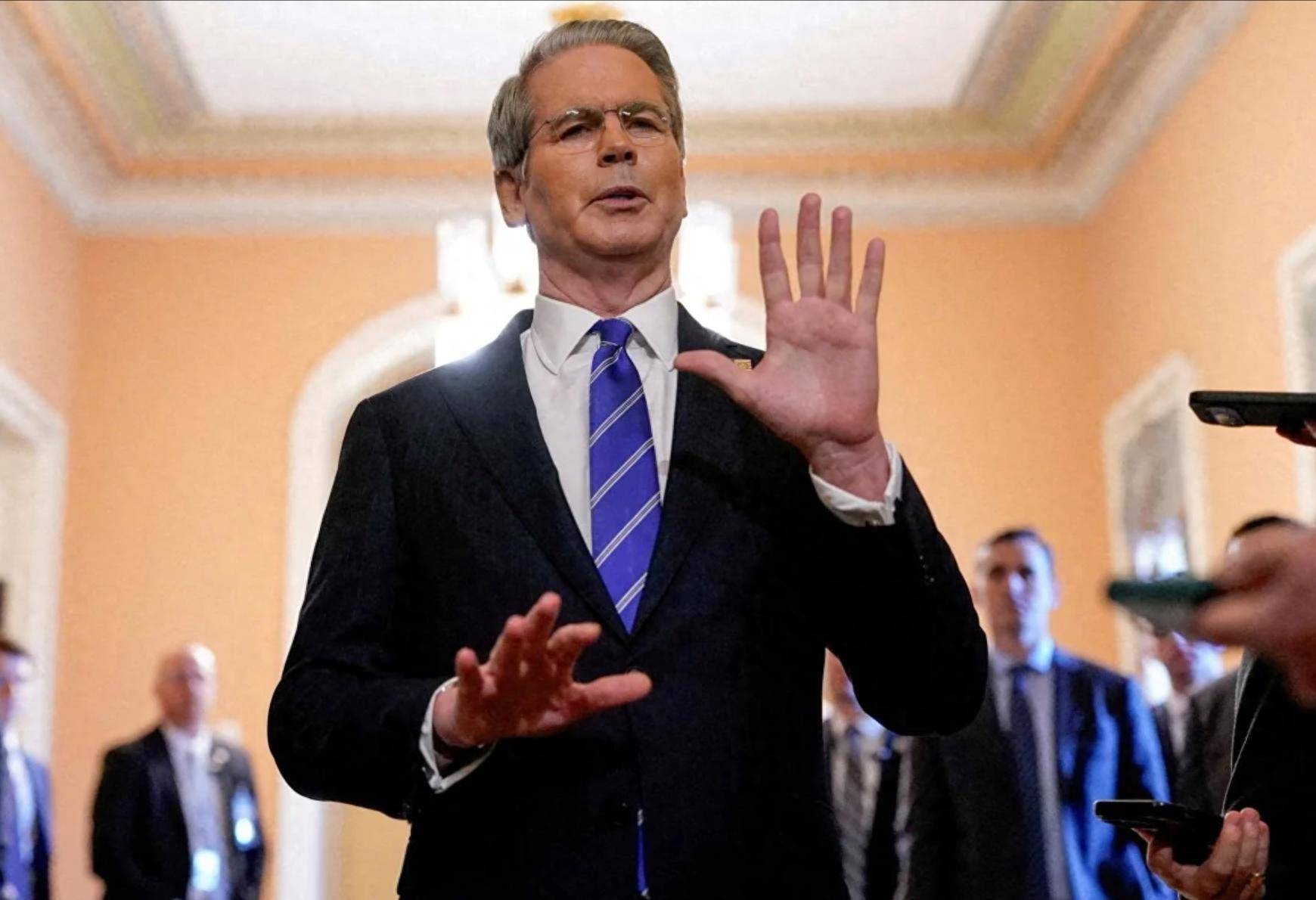
美国政坛再爆危机!联邦政府关门,一天约损失4亿,CNN犀利点评
Sou Hu Cai Jing· 2025-10-08 08:51
Core Viewpoint - The government shutdown is not merely a financial issue but a deep political struggle between the two parties, highlighting their ideological differences [2] Group 1: Political Demands - The Republican Party's main demands include cutting welfare and strengthening border control, while the Democratic Party advocates for protecting healthcare and opposing layoffs [4] - Trump's Republican Party has two primary demands: reducing large healthcare subsidies from the Affordable Care Act and significantly increasing the border enforcement budget for building a wall and deporting illegal immigrants [6] Group 2: Legislative Challenges - The Senate's "60-vote rule" complicates the passage of the budget, as the Republican Party currently holds only 53 seats and needs to attract 7 Democratic votes, which is unlikely due to Democratic unity [6] Group 3: Economic Impact - The estimated loss from the government shutdown is about $400 million per day, with a previous shutdown costing $11 billion over 35 days [9] - The shutdown leads to significant disruptions, including the FBI lacking funds for investigations and the FDA halting food and drug inspections, which could delay the release of key economic data [11] Group 4: Public Sentiment and Consequences - Public opinion is not focused on who is right or wrong; rather, the shutdown creates numerous problems for citizens who rely on government services [11] - Analysts warn that if the shutdown lasts more than two weeks, panic may spread in the financial markets [11]
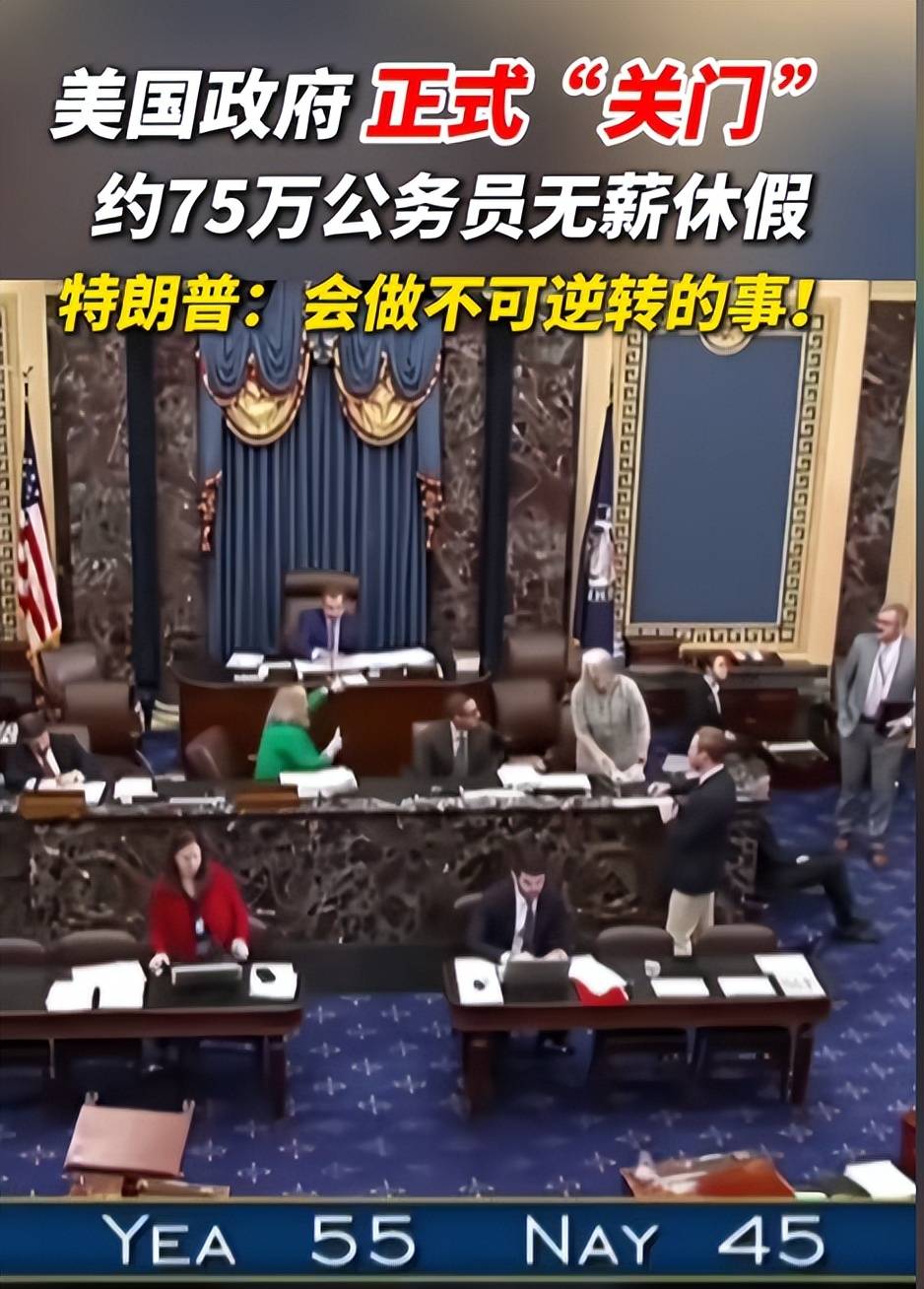
预计美政府停摆2-4周|国庆大咖谈
Di Yi Cai Jing· 2025-10-06 12:07
Group 1: Impact of U.S. Government Shutdown - The U.S. government shutdown, which began on October 1, is the first full shutdown since 2013, with no immediate signs of reopening [1][2] - The economic impact of the shutdown will depend on its duration; a short shutdown may only delay income, while a prolonged one could alter economic activity and market expectations [2][3] - The White House predicts a weekly loss of $15 billion due to the shutdown, although this figure is considered exaggerated; the last shutdown in 2018 resulted in a GDP loss of $11 billion over five weeks [3] Group 2: Political Dynamics and Government Restructuring - The shutdown provides an opportunity for the White House to restructure government agencies and shift blame onto the Democratic Party [2] - The Office of Management and Budget (OMB) is expected to implement significant cuts, including reducing the federal workforce and pressuring Democratic-controlled states [2][3] - The ongoing political struggle between Republicans and Democrats is highlighted, with potential compromises on funding and tax credits being discussed [3] Group 3: Economic Performance of Spain - Spain's economy is growing at approximately 3%, outperforming other Eurozone countries, and has recently received an upgraded credit rating from S&P [4] - The service sector, particularly tourism and IT, has become a key driver of Spain's economic success, aided by EU funds for infrastructure development [4] - Spain's labor reforms have increased flexibility in employment contracts, leading to higher productivity and more full-time job opportunities [4] Group 4: Immigration Policy and Economic Growth in Spain - Spain's immigration policy has attracted a significant number of Spanish-speaking immigrants, contributing to economic growth and addressing labor shortages [5] - The influx of 600,000 new immigrants annually has expanded the tax base and improved government finances, although political stability remains a concern [5] - Spain faces challenges such as high unemployment rates and regulatory burdens that could hinder long-term growth [5] Group 5: Market Focus and Economic Indicators - Upcoming focus includes the Federal Reserve's FOMC meeting minutes, OPEC+ production decisions, and U.S. consumer confidence indicators [6] - The impact of the government shutdown on U.S. statistical data is noted, with implications for economic analysis and forecasting [6]
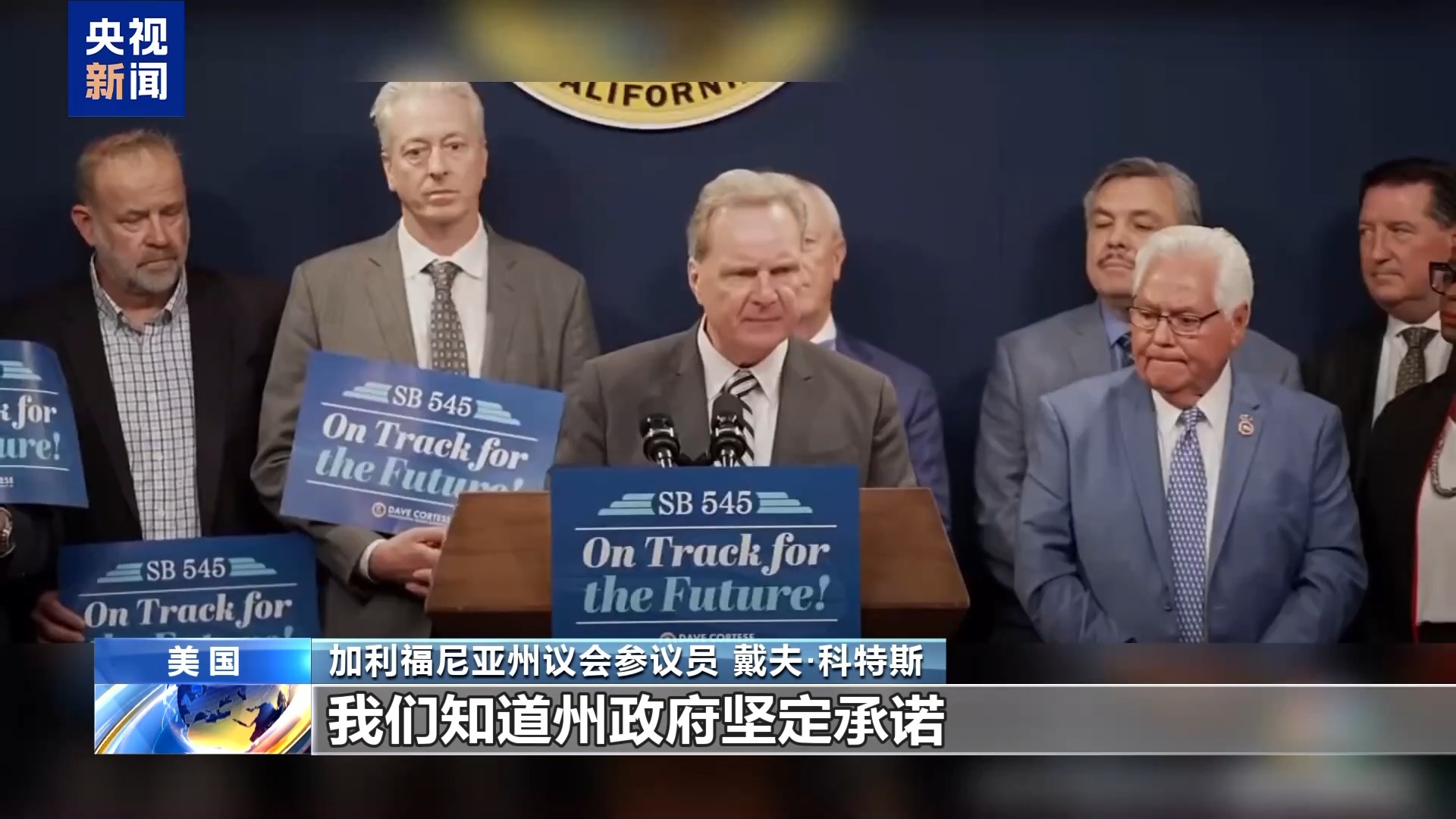
建设拨款再砍1.75亿美元 美国加州高铁项目成党争素材
Yang Shi Xin Wen Ke Hu Duan· 2025-08-27 20:07
Core Viewpoint - The U.S. Department of Transportation announced the cancellation of $175 million in funding for four high-speed rail projects in California, marking a continuation of the Trump administration's opposition to the California high-speed rail initiative [1][3]. Funding and Project Status - The federal government has withdrawn support for the construction of the Madera interchange, elevated bridge, related design work, and high-speed rail station [1]. - The California High-Speed Rail Authority responded by labeling the federal government's actions as politically motivated attacks lacking basis [1]. - The initial budget for the California high-speed rail project was $33 billion, with a completion target of 2020; however, the latest cost estimates have surged to between $89 billion and $128 billion, with operational commencement now pushed to 2033 [3]. Political Context - The high-speed rail project has become a point of contention between the Democratic-led California government and the Republican-led federal government, with Trump previously criticizing the project as a "disaster" and attempting to revoke $929 million in federal funding during his presidency [3][5]. - In June 2021, California reached a settlement with the federal government to restore funding after a prolonged legal battle [3]. Project Challenges - A report from the U.S. Department of Transportation highlighted issues such as delays and mismanagement within the California high-speed rail project, leading to threats of canceling approximately $4 billion in federal funding [5]. - The California High-Speed Rail Authority has contested the federal government's conclusions, claiming they are misleading and do not reflect significant progress made [5]. Broader Implications - The ongoing disputes reflect broader tensions between the Trump administration and California Governor Newsom on various issues, including tariffs and regulations [7]. - The federal government has also threatened to withdraw an additional $33 million in funding due to California's non-compliance with federal regulations regarding truck driver English proficiency [7].