
吃公函

Search documents
以小切口撬动大变局 八项规定为新时代党和国家事业发展提供有力作风保障
Yang Shi Wang· 2025-12-04 06:14
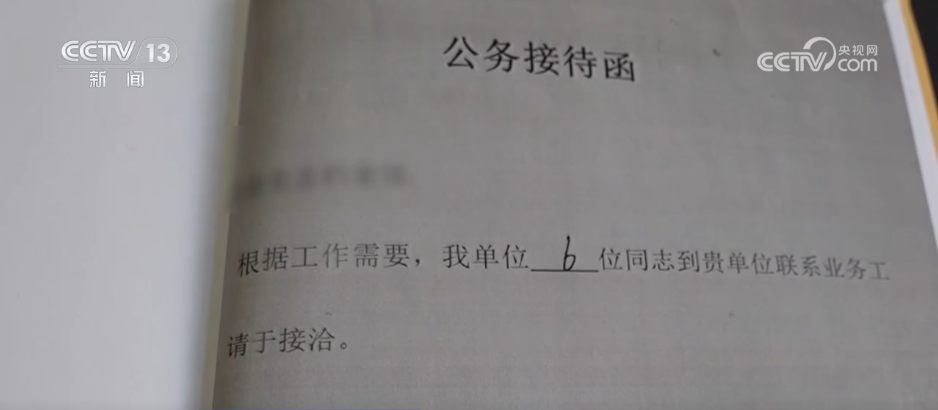
Core Viewpoint - The implementation of the Central Eight Regulations has significantly impacted the governance and operational integrity of the Party and state, with a focus on addressing violations and enhancing accountability in public service [1] Group 1: Violations and Investigations - In the first ten months of this year, there were 219,762 cases of violations of the Central Eight Regulations, leading to the criticism and handling of 286,528 individuals [1] - A specific case involved a county official in Jiangxi Province who received a party warning for improper public reception practices, including "one letter multiple meals" [2][5] - The investigation revealed that the official had fabricated records of receptions to cover up violations, indicating a trend of hidden variations in "Four Winds" issues [3][5] Group 2: Regulatory Measures and Innovations - The Jiangxi Provincial Discipline Inspection Commission is promoting reforms to address issues related to public receptions, including the establishment of a unified public letter system and the introduction of the "Gan Can Code" platform [5] - The "Gan Can Code" aims to streamline public dining processes and enhance oversight by allowing real-time data access and monitoring across various government levels [5] - Future plans include expanding the "Gan Can Code" to schools and state-owned enterprises, integrating travel needs to reduce the burden on grassroots reception [5]

故事:副县长到镇检查工作,镇长建议在镇大灶吃饭,副县长:去饭店
Sou Hu Cai Jing· 2025-06-17 08:54
Core Viewpoint - The article highlights the corrupt practices of a county official, 彭县长, who exploits loopholes in regulations to engage in bribery and misconduct, particularly through the misuse of public funds and social gatherings [1][26]. Group 1: Background and Personal Traits - 彭县长, coming from a rural background, initially displayed integrity in his roles but succumbed to corruption due to environmental pressures and the allure of financial gain [1][3]. - His hobbies, particularly drinking and playing mahjong, became tools for manipulation by business associates seeking favors from him [3][5]. Group 2: Corruption Mechanisms - 彭县长 utilized "空白公函" (blank official letters) to facilitate unauthorized reimbursements for personal expenses disguised as official functions, showcasing a systematic approach to corruption [11][20]. - He engaged in various schemes, including directing subordinates to issue false requests for reimbursements, effectively circumventing regulations [16][18]. Group 3: Social Dynamics and Networking - Social gatherings, often disguised as family events, served as platforms for 彭县长 to negotiate favors and receive bribes, illustrating the intertwining of personal relationships and professional misconduct [7][9]. - The culture of drinking and dining among officials is portrayed as a normalized practice that blurs ethical boundaries, leading to a decline in moral standards [29][30]. Group 4: Consequences and Legal Actions - 彭县长's corrupt activities eventually led to his downfall, as investigations into his dealings resulted in his dismissal from public office and subsequent legal repercussions [26][32]. - The article emphasizes the ongoing challenge of addressing corruption in public service, suggesting that entrenched cultural practices and individual motivations contribute to the persistence of such behavior [27][30].

记者观察丨深入纠治“吃公函”
Zhong Yang Ji Wei Guo Jia Jian Wei Wang Zhan· 2025-05-18 00:29
Core Viewpoint - The article emphasizes the need for stricter supervision and management to address the issue of "eating public letters," which refers to the misuse of official documents for unauthorized receptions and expenditures in public service [2][3]. Group 1: Issues Identified - The Guangxi Zhuang Autonomous Region has implemented measures to rectify the problem of unauthorized receptions without official letters, which previously led to over 270,000 yuan in improper expenses from 2019 to 2021 [2]. - Various forms of "eating public letters" have been identified, including multiple receptions under one letter, blank letters, and fraudulent letters, indicating a widespread issue of non-compliance with regulations [3]. - The lack of strict adherence to public reception management and the issuance of blank letters by officials have resulted in disciplinary actions, highlighting the need for improved oversight [3]. Group 2: Measures Taken - The establishment of comprehensive regulations and guidelines for public receptions is being prioritized to ensure long-term compliance and accountability [4]. - Local governments are revising their public reception management rules to eliminate unauthorized receptions and ensure that only official activities are included [5]. - The use of information technology is being enhanced to monitor and regulate public receptions, including the implementation of a big data supervision model to track compliance with public reception standards [5].