贪污受贿

Search documents
离谱!国企董事长把自家房产塞进拆迁名单
Mei Ri Jing Ji Xin Wen· 2025-12-30 16:04
Core Viewpoint - A state-owned enterprise chairman was sentenced to 17 years in prison for corruption involving illegal land expropriation and personal gain from demolition compensation schemes [1][9]. Group 1: Corruption Scheme Details - From 2014 to 2019, a government in Gansu Province initiated a housing expropriation project, with a state-owned enterprise responsible for the execution and management of funds [2]. - The chairman of the enterprise, Wu, conspired with others to purchase properties in anticipation of demolition, manipulating the process to ensure their inclusion in the expropriation [3][4]. - Wu and his accomplices inflated property sizes and misused their positions to secure substantial demolition compensation, totaling over 9.95 million yuan [4][5]. Group 2: Abuse of Power - Wu abused his authority to include his own property in the demolition list, significantly increasing the reported demolition area from 700 square meters to over 3000 square meters [5][6]. - He received bribes totaling 135.8 million yuan from various individuals in exchange for favorable treatment in the expropriation process [6][7]. Group 3: Legal Proceedings - Investigations revealed Wu's involvement in embezzlement, bribery, abuse of power, and potential money laundering, leading to his prosecution [8]. - In 2024, Wu was convicted of multiple charges, including embezzlement and bribery, but the initial charge of money laundering was not recognized due to legal technicalities [9]. - Following an appeal, the court upheld the conviction and sentenced Wu to 17 years in prison, along with a fine of 1.1 million yuan [10].
离谱!一国企董事长把自家房产塞进拆迁名单,还帮亲友多占面积,用贪污款给家人买商铺,最终获刑17年
Mei Ri Jing Ji Xin Wen· 2025-12-30 08:16
Core Points - A state-owned enterprise chairman was sentenced to 17 years in prison for corruption related to demolition projects [1][14] Group 1: Case Overview - The case involves a chairman of a state-owned enterprise, Wu, who exploited his position to manipulate demolition projects for personal gain [3][12] - Wu, along with accomplices, purchased properties with the intent to profit from subsequent demolition compensation [4][7] Group 2: Corruption Details - From 2014 to 2019, Wu was responsible for overseeing demolition and compensation processes, which he manipulated to benefit himself and his associates [2][3] - Wu and his associates engaged in fraudulent activities, including inflating property sizes and misusing funds, resulting in significant financial losses for the state [11][12] Group 3: Legal Proceedings - Investigations revealed Wu's involvement in bribery and abuse of power, leading to multiple charges including embezzlement and money laundering [13][14] - The court ultimately found Wu guilty of several crimes, sentencing him to 17 years in prison and imposing a fine of 1.1 million yuan [14][15]


港交所前助理副总裁谭卓彦涉嫌受贿泄密被起诉,同案另两人被控妨碍司法公正
Mei Ri Jing Ji Xin Wen· 2025-11-25 09:52
Core Viewpoint - The Hong Kong Independent Commission Against Corruption (ICAC) has charged a former assistant vice president of the Hong Kong Exchanges and Clearing Limited (HKEX) with corruption and bribery, involving the disclosure of confidential information related to listed companies [1][2] Group 1: Charges and Allegations - The accused, Tan Chok Yin, allegedly accepted bribes totaling HKD 150,000 from Zhou Zigang in exchange for disclosing sensitive information obtained from the HKEX email system [2] - Zhou Zigang and another individual, Deng Qingyu, are charged with obstructing justice during a criminal investigation into insider trading [2] Group 2: Investigation and Cooperation - The ICAC initiated the investigation following a corruption complaint referred by the Hong Kong Securities and Futures Commission (SFC), indicating potential insider trading [1] - The investigation revealed that Tan had unauthorized access to sensitive information, which is restricted to designated personnel for official duties only [1][2] Group 3: Response from HKEX - HKEX has stated that it adheres to the highest standards of integrity and professionalism, and is cooperating fully with the ICAC and SFC during the investigation [2] - The exchange is reviewing and strengthening its internal controls and processes to prevent similar incidents in the future [2]

香港廉政公署指控港交所时任助理副总裁受贿 以及两名涉案人士妨碍司法公正
智通财经网· 2025-11-24 11:50
Core Viewpoint - The Hong Kong Independent Commission Against Corruption (ICAC) has charged a former assistant vice president of the Hong Kong Stock Exchange (HKEX) with bribery and corruption, involving the disclosure of confidential information related to listed companies [1][2] Group 1: Charges and Allegations - The former assistant vice president, Tan Zhuoyan, is accused of accepting bribes totaling 150,000 HKD from Zhou Zigang in exchange for disclosing sensitive information obtained from the HKEX email system [2] - Zhou Zigang and another individual, Deng Qingyu, are charged with obstructing justice in relation to a criminal investigation into insider trading [1][2] - The ICAC's investigation was initiated following a referral from the Hong Kong Securities and Futures Commission regarding allegations of corruption linked to insider trading [1] Group 2: Investigation Details - The investigation revealed that Tan Zhuoyan had authorized access to HKEX emails containing sensitive information, which was only to be accessed by designated personnel for official duties [1] - Zhou Zigang is alleged to have instructed Deng Qingyu to conceal approximately 3.9 million HKD in cash, along with luxury watches and a mobile phone, to interfere with the investigation [2] - The ICAC is committed to maintaining the integrity of Hong Kong's financial markets and will take decisive action against any corruption or illegal activities that undermine market fairness [2]
重庆披露:刘海故意泄露国家秘密
券商中国· 2025-10-25 15:40
Core Viewpoint - The article discusses the expulsion of Liu Hai, the former vice chairman of the Chengkou County Political Consultative Conference in Chongqing, due to serious violations of party discipline and laws, including corruption and leaking state secrets [1][3]. Summary by Sections - Liu Hai was expelled from the party and his case has been transferred to the judicial authorities for prosecution due to allegations of embezzlement, bribery, and leaking state secrets [1][3]. - Born in March 1964 in Kaizhou, Chongqing, Liu Hai was investigated in May 2025 [2]. - The report details Liu Hai's loss of ideals and beliefs, his disregard for organizational review, and violations of the central eight regulations, including accepting potentially compromising banquets and engaging in corrupt practices [3]. - Liu Hai's actions included manipulating employee recruitment for personal gain, accepting bribes, and engaging in power-money transactions, which led to illegal possession of public assets [3]. - The Chongqing Municipal Commission for Discipline Inspection stated that Liu Hai's actions severely violated political, organizational, and integrity disciplines, constituting serious job-related violations and criminal offenses, warranting strict punishment [3].
中泰证券前董事长一审被判15年
Nan Fang Du Shi Bao· 2025-08-29 00:03
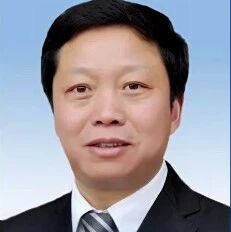
Core Points - Li Wei, former chairman of Zhongtai Securities, was sentenced to 15 years in prison for corruption and bribery [1][3] - The total amount involved in corruption and bribery exceeded 50 million yuan [2] - Li Wei's actions included embezzling over 10 million yuan and accepting bribes totaling nearly 40 million yuan [2] Group 1: Corruption and Bribery Details - From December 2007 to June 2020, Li Wei embezzled over 10 million yuan using his positions at Qilu Securities and Zhongtai Securities [2] - From June 2003 to October 2023, he accepted bribes amounting to over 39 million yuan while holding various leadership roles [2] - The court imposed a combined sentence of 15 years in prison and fines totaling 3.5 million yuan [2][3] Group 2: Background and Career - Li Wei served as chairman of Qilu Securities and Zhongtai Securities for over 17 years, significantly impacting the local securities industry [4] - He held various positions in financial institutions and was involved in the restructuring of Qilu Securities during the early 2000s [4] - Li Wei's career included roles at Laiwu Steel Group and its subsidiaries, where he gained extensive experience in finance [4][5]

故事:副县长到镇检查工作,镇长建议在镇大灶吃饭,副县长:去饭店
Sou Hu Cai Jing· 2025-06-17 08:54
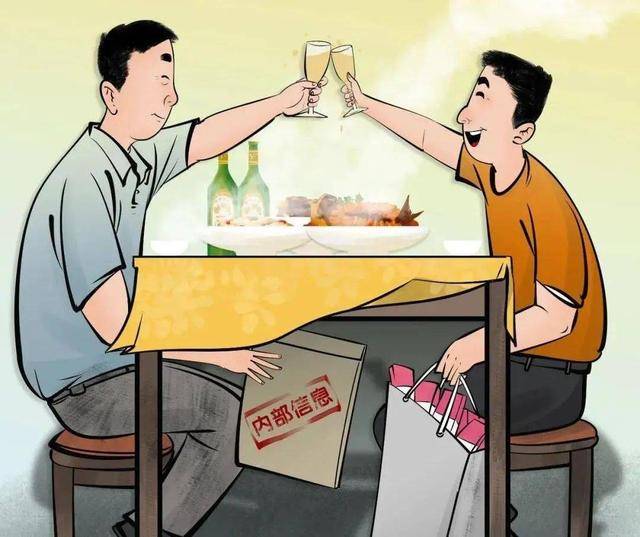
Core Viewpoint - The article highlights the corrupt practices of a county official, 彭县长, who exploits loopholes in regulations to engage in bribery and misconduct, particularly through the misuse of public funds and social gatherings [1][26]. Group 1: Background and Personal Traits - 彭县长, coming from a rural background, initially displayed integrity in his roles but succumbed to corruption due to environmental pressures and the allure of financial gain [1][3]. - His hobbies, particularly drinking and playing mahjong, became tools for manipulation by business associates seeking favors from him [3][5]. Group 2: Corruption Mechanisms - 彭县长 utilized "空白公函" (blank official letters) to facilitate unauthorized reimbursements for personal expenses disguised as official functions, showcasing a systematic approach to corruption [11][20]. - He engaged in various schemes, including directing subordinates to issue false requests for reimbursements, effectively circumventing regulations [16][18]. Group 3: Social Dynamics and Networking - Social gatherings, often disguised as family events, served as platforms for 彭县长 to negotiate favors and receive bribes, illustrating the intertwining of personal relationships and professional misconduct [7][9]. - The culture of drinking and dining among officials is portrayed as a normalized practice that blurs ethical boundaries, leading to a decline in moral standards [29][30]. Group 4: Consequences and Legal Actions - 彭县长's corrupt activities eventually led to his downfall, as investigations into his dealings resulted in his dismissal from public office and subsequent legal repercussions [26][32]. - The article emphasizes the ongoing challenge of addressing corruption in public service, suggesting that entrenched cultural practices and individual motivations contribute to the persistence of such behavior [27][30].
果然!李嘉诚还是出事了!港府出手,逮捕10人可能只是一个开始
Sou Hu Cai Jing· 2025-05-26 07:28
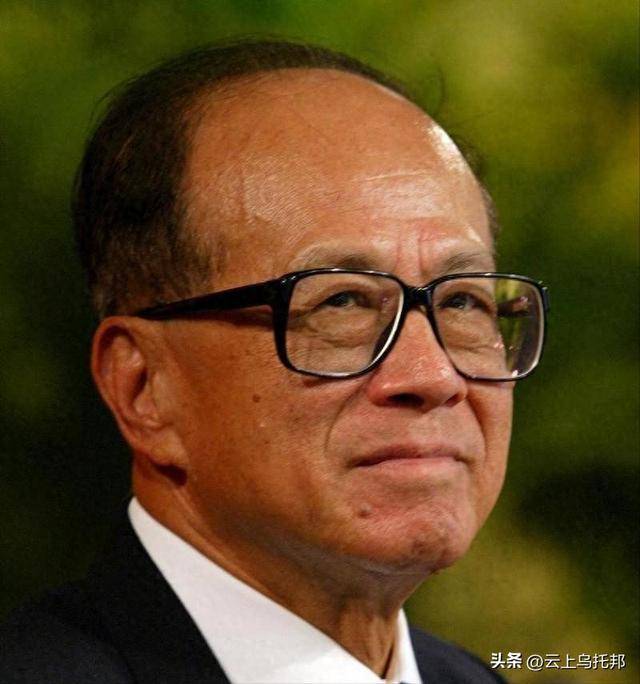
Group 1 - Li Ka-shing, the third richest person in Hong Kong, has been under scrutiny for attempting to sell various ports globally, leading to public criticism of his business ethics [2] - The Hong Kong government has taken action against corruption, resulting in the arrest of 10 individuals linked to a bribery scandal involving a company under Li Ka-shing's group [4] - The controversy surrounding the company has raised questions about whether this is just the beginning of a larger investigation targeting Li Ka-shing [6] Group 2 - In 2017, the Hong Kong government initiated a housing project to meet the needs of middle-class families, which was awarded to Li Ka-shing's Cheung Kong Group for HKD 49.51 billion [8] - The project is set to build approximately 3,000 residential units, with 1,000 units designated for first-time buyers at a price 20% below market value [10] - Cheung Kong Group's attempts to pre-sell units were rejected by the government due to contractual obligations, leading to further scrutiny of the company's compliance with building regulations [12][14] Group 3 - Reports of non-compliance with construction standards emerged, prompting investigations that revealed discrepancies in steel reinforcement in multiple buildings [24][26] - The investigation found that the construction company had engaged in cost-cutting measures, compromising safety standards, and had allegedly bribed regulatory personnel to overlook these violations [28][30] - Following the arrests, the government assessed the risks associated with the buildings and determined that while there were compliance issues, the overall safety of the structures was not significantly compromised [32] Group 4 - Speculation exists that the recent corruption case may lead to further investigations into Li Ka-shing's broader business practices, especially given the timing with his controversial port sales [33][35]