向富人加税

Search documents
曼达尼市长新任要务:破解纽约民生负担危机
Xin Lang Cai Jing· 2026-01-02 15:51
Economic Challenges - New York City faces a significant cost of living crisis, with over half of ordinary families' income spent on rent and 100,000 people staying in homeless shelters each night [2][13] - The median rent for Manhattan apartments has surpassed $5,400 per month, contributing to a broader crisis affecting food, childcare, and daily living expenses [2][15] - Approximately 1.4 million people in New York City face food insecurity, representing 15% of the total population [2][15] Mayor's Initiatives - Mayor Zoran Mandani has pledged to implement a rent freeze policy and build more affordable housing, but many nonprofit organizations and developers are struggling with rising operational costs [4][15] - Mandani plans to provide free childcare services for children aged 6 weeks to 5 years and eliminate public transportation fares, but these initiatives require state approval and potential tax increases on high-income individuals and businesses [4][15] - The governor of New York has expressed opposition to Mandani's proposal for free public transit, which could result in a $1 billion loss in fare revenue for the Metropolitan Transportation Authority [4][15] Economic Indicators - Despite the severe cost of living issues, New York City's economy remains strong, with employment numbers and labor force participation rates at historic highs, and tax revenues reaching record levels [5][16] - However, signs of economic slowdown are emerging, with a projected decrease of 78,000 new jobs in 2025 compared to the previous year, primarily in low-wage home care sectors [6][17] Housing Market Pressures - Housing costs are the largest expense for most New Yorkers, which was a key factor in Mandani's election victory [7][18] - The operational costs for rent-controlled apartments have increased by 22% since 2020, while rents have only risen by about 11%, leading to potential deterioration of building facilities [8][19] - Mandani's plan to create 200,000 units of affordable housing is also facing challenges, with some developers at risk of loan defaults due to rising costs and shrinking revenues [8][19] Federal Government Impact - Mandani's administration is navigating a challenging environment due to federal budget cuts affecting social welfare programs, which could have severe implications for New York City [9][20] - The Republican-controlled federal government has reduced funding for essential programs, impacting healthcare and food assistance for many residents [9][20] - Future economic trends in New York City will largely depend on federal policy decisions, as indicated by the city's auditor [9][20]


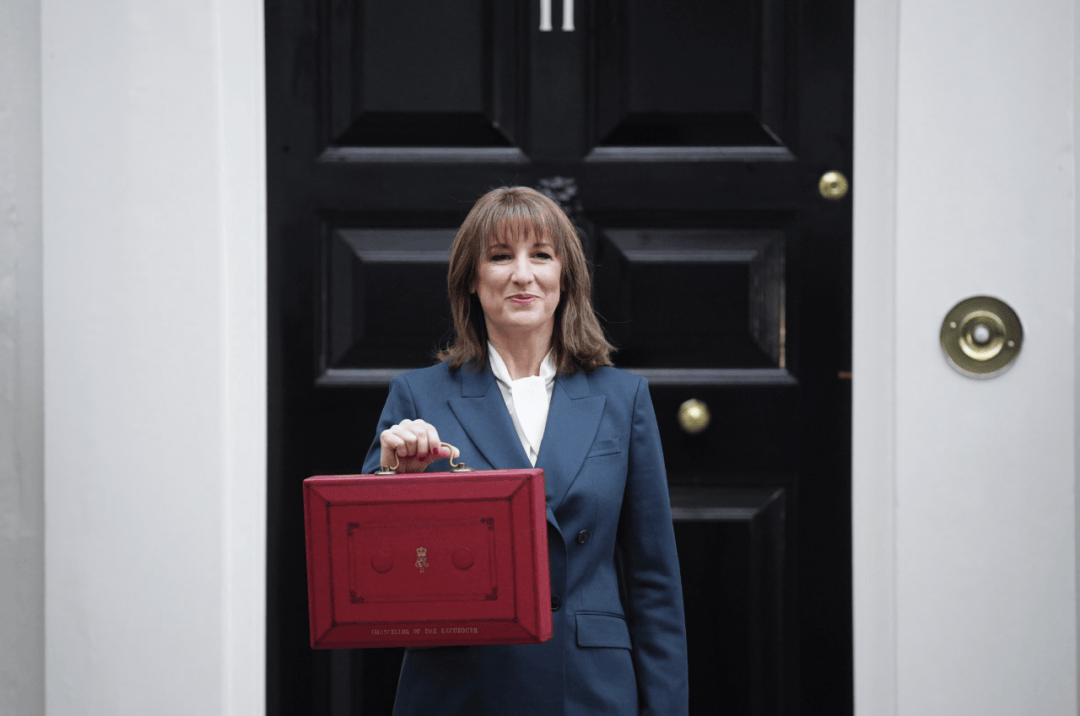
英国官宣秋季预算案!公布所有加税新政!富人加税、工薪减负!英镑小涨...
Sou Hu Cai Jing· 2025-11-27 03:05
Core Viewpoint - The UK Chancellor Rachel Reeves presented the 2025 Autumn Budget, proposing a £26 billion tax increase aimed at the wealthy while providing relief for workers, with a focus on building a "fairer, stronger, and safer UK" [1][2]. Taxation Measures - The budget includes the abolition of the two-child benefit cap starting April 2026, expected to cost £2.3 billion in 2026-27 and rise to £3 billion by 2029-30 [11]. - A "mansion tax" will be imposed on properties valued over £2 million, with an additional £2,500 in council tax for properties over £2 million and £7,500 for those over £5 million, projected to raise over £400 million by 2031 [13]. - Adjustments to gambling taxes include raising the remote gambling tax rate from 21% to 40% starting April 2026, with an expected total revenue of £11 billion by 2029-30 [15]. - Personal income tax and employer National Insurance contribution thresholds will be frozen for three years starting in 2028-29, expected to generate £80 billion [22]. Wage and Living Standards - The National Living Wage will increase by 4.1% to £12.71 per hour starting April 2026, benefiting over 2 million workers [17]. - The "Help to Save" scheme will be made permanent, allowing low-income individuals to receive a 50% bonus on savings, with a maximum potential gain of £1,200 [19]. Energy and Public Investment - The average household energy bill is expected to decrease by £150 due to the abolition of the "Energy Company Obligation" program, which has been financially burdensome for low-income families [21]. - The budget allocates £1.3 billion for electric vehicle subsidies and £200 million to accelerate the rollout of charging infrastructure [23]. Economic Forecast - The Office for Budget Responsibility (OBR) forecasts GDP growth of 1.5% in 2025, 1.4% in 2026, and 1.6% in 2027, with a consistent growth rate of 1.5% from 2028 to 2029 [7].