听力健康

Search documents
频繁掏耳朵、耳机音量过大……这些行为有损听力
Jing Ji Guan Cha Wang· 2026-02-10 08:09
经济观察网 据央视新闻客户端消息,国家卫生健康委今天召开时令节气与健康新闻发布会,介绍听力 健康有关情况。很多人耳朵一痒或稍有不适就习惯用棉签、挖耳勺掏耳朵,也有人认为耳机的音量越调 越大才"听着舒服",首都医科大学附属北京同仁医院主任医师李永新介绍,健康的用耳习惯是保护听力 的关键。无论是频繁掏耳朵,还是长时间高音量佩戴耳机,都隐藏着伤耳风险。 频繁掏耳最常见的风险是外耳道炎和耵聍栓塞。外耳道皮肤很薄,如果器具不洁可能导致感染,引发外 耳道炎,越掏越痒、越掏越痛。使用棉签掏耳很容易把耵聍推到深处导致耵聍栓塞,出现耳闷胀感、听 力下降。因此建议大家平时清洁擦拭耳道口即可,如果出现耳痛、瘙痒等不适,尽快到正规医院就诊, 由医生用专业器械进行处理。 耳机音量"越调越大"同样隐藏着风险。有些人为了追求"听着舒服",长时间、高音量佩戴耳机;还有一 些人在通勤地铁等环境噪声大时,把耳机音量一再上调,这些做法都会增加噪声性听力损失风险。 针对耳机的使用,建议大家记住"3个60原则"。 音量不超过设备最大音量的60%, 连续使用不超过60分钟, 外耳道有"自我清洁"能力,大多数情况下不需要深入清理。俗称耳屎的耵聍并不是"脏 ...
进博会“新声”:可孚医疗与腾讯云共筑听力健康新未来
Zhong Guo Jing Ji Wang· 2025-11-07 01:12
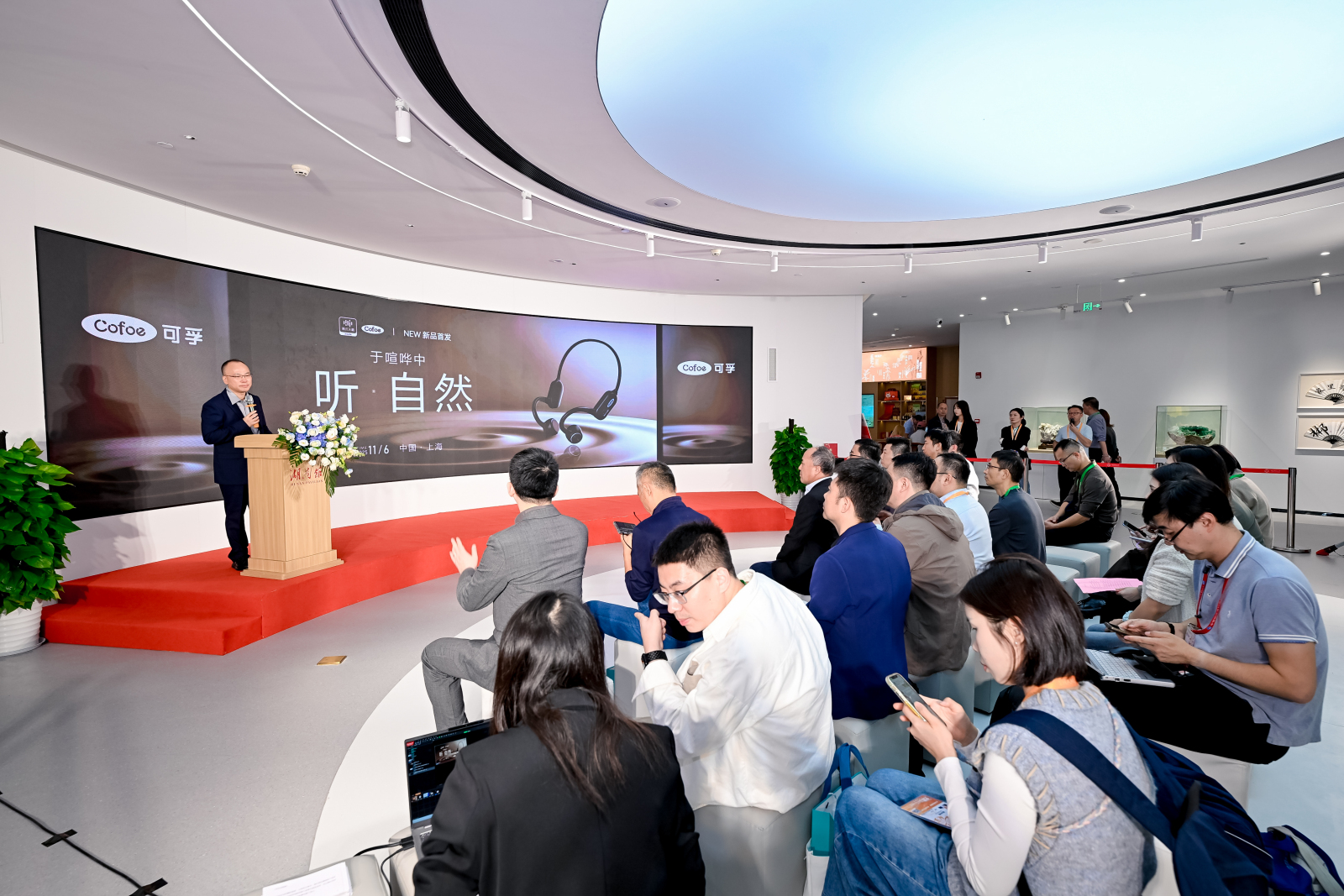
Core Insights - The eighth China International Import Expo (CIIE) is being held in Shanghai from November 5 to 10, showcasing innovations in various sectors, including healthcare [1] - Kefu Medical launched a new generation of bone conduction hearing aids equipped with Tencent's AI algorithm and signed a strategic cooperation agreement with Tencent Cloud to enhance hearing health solutions in China [1][4] Company Overview - Kefu Medical has been in the home medical device industry for nearly 20 years, establishing a comprehensive industrial chain covering R&D, production, sales, and services [3] - The company has over 700 direct hearing fitting centers across China and employs more than 1,200 professional hearing fitters to provide specialized services [3] Market Context - According to the World Health Organization, approximately 1.5 billion people globally suffer from varying degrees of hearing loss, with 15.84% of China's population affected, translating to about 220 million individuals [3] - The prevalence of disabling hearing loss in China exceeds 70 million, highlighting a significant public health issue exacerbated by an aging population [3] Technology and Innovation - The collaboration between Kefu Medical and Tencent aims to leverage AI for improving hearing aid technology, focusing on voice enhancement and noise suppression tailored to Chinese users [4] - The partnership seeks to address the challenges faced by hearing-impaired individuals, aiming to increase the adoption rate of hearing aids in China, which currently stands at about 5%, significantly lower than the 20%-30% rates in Western countries [3] Future Initiatives - Kefu Medical plans to continue promoting AI integration in hearing rehabilitation and expand public welfare projects to enhance access to quality hearing health resources [4] - The strategic cooperation is positioned as a solution to the long-standing challenges faced by the hearing-impaired community, contributing to the broader goal of achieving "Healthy China 2030" [4]


全国首届人工耳蜗用户歌唱展演在清华大学成功举行
Huan Qiu Wang Zi Xun· 2025-09-23 09:42
Core Viewpoint - The event "Singing Performance of Cochlear Implant Users" held at Tsinghua University highlights the power of technology in assisting individuals with hearing impairments to integrate into society and embrace life fully [1][3]. Group 1: Event Overview - The first national singing performance for cochlear implant users was successfully held at Tsinghua University, showcasing the artistic talents of individuals with hearing loss [1]. - The event was organized by the Tsinghua University Institute of Accessible Development and supported by Sonova Group, emphasizing the theme of "Technology Assisting the Disabled" [1][3]. Group 2: Institutional Role - The Tsinghua University Institute of Accessible Development is a leading interdisciplinary research institution in the field of accessibility, focusing on promoting social inclusion through technological innovation [3]. - The institute is involved in various aspects of accessibility, including environmental planning, information accessibility, and social cognitive accessibility, and is actively contributing to the legislative process of the "Accessibility Environment Construction Law" [3]. Group 3: Collaboration with Sonova - Sonova has maintained a close partnership with Tsinghua University, providing support in enhancing the accessibility of the university's listening environment and promoting inclusive education for individuals with hearing loss [4]. - Sonova's commitment to serving individuals with hearing loss in China is exemplified by its collaboration with Tsinghua University, which aims to address the challenges faced by cochlear implant users [5]. Group 4: Technological Impact - The AB cochlear implant brand by Sonova has significantly changed the lives of many individuals with hearing loss, marking its 25th anniversary of service in China [5]. - Sonova emphasizes that technology should not only focus on product efficiency but also integrate into social support systems to facilitate systemic changes from individual rehabilitation to social inclusion [5][6].