启蒙

Search documents
“和而不同”的现代作家“合论”
Xin Lang Cai Jing· 2026-02-06 00:22
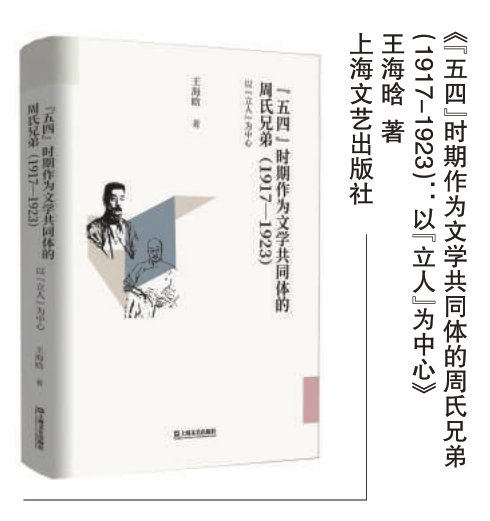
Group 1 - The article discusses the traditional practice of "combined criticism" in Chinese literary criticism, tracing its evolution from the Wei-Jin period to the Tang-Song era, highlighting how it shapes aesthetic judgments and contributes to literary history [2] - The work of young scholar Wang Haihan redefines the relationship between Lu Xun and Zhou Zuoren, presenting them as a "literary community" during the May Fourth Movement, focusing on their shared cultural practices rather than their differences [3][4] - The author emphasizes a methodology of "harmony in difference," arguing that the commonality of the "Li Ren" concept among Lu Xun and Zhou Zuoren serves as a foundation for their literary practices, which can be analyzed through their collaborative efforts in the journal "New Youth" [4][5] Group 2 - The book traces the establishment and collaborative division of labor within the Zhou brothers' literary community during the May Fourth period, examining how the "Li Ren" concept evolved into a cultural project reflected in their stylistic choices and rhetorical strategies [5][6] - The author critiques mainstream literary interpretations that focus solely on content or form, advocating for a return to the artists' perspectives and their conscious stylistic practices, which address social and ideological issues [6] - The methodology employed in the book opens new avenues for studying the Zhou brothers and the historical context of May Fourth literature, while also acknowledging the potential risks of hindsight in historical narratives [8]

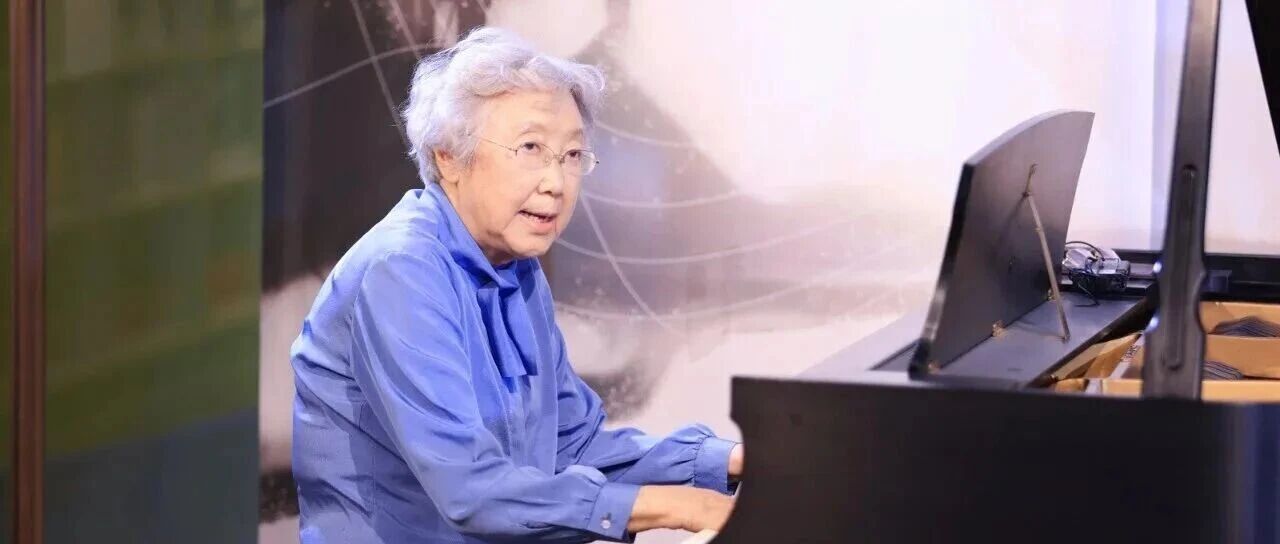
00后对谈“95后”资中筠:这个世界如何,就在于年轻人往何处去|我们的四分之一世纪
经济观察报· 2025-12-28 08:45
Core Viewpoint - The article emphasizes the importance of maintaining moral integrity and personal standards in a rapidly changing society, particularly for the younger generation, who are encouraged to navigate their paths with a sense of conscience and responsibility [7][44][46]. Group 1: Personal Experiences and Observations - The interviewee, Zizhongjun, reflects on her life experiences, noting significant changes in China since the late 1970s, highlighting the overall prosperity of the country over the past 30 years [17]. - Zizhongjun expresses disappointment in the current education system, stating that while education has become more widespread, the quality and cultural literacy have declined, which could have long-term implications for the nation [18][19]. - She recalls her own educational experiences, contrasting them with the current pressures faced by students, emphasizing the importance of genuine interest in learning rather than merely fulfilling external expectations [21][22]. Group 2: Advice for the Younger Generation - Zizhongjun advises young people to maintain a moral baseline and not to compromise their values, suggesting that they should prioritize integrity in their professional and personal lives [44][46]. - She encourages youth to pursue their interests and consider alternative paths outside the conventional trajectory of education and career, suggesting that they can find fulfillment in smaller cities or through entrepreneurship [37][40]. - The importance of individual responsibility is highlighted, with Zizhongjun asserting that every person can contribute to the nation's future by excelling in their respective roles, regardless of their ambitions [43]. Group 3: Reflections on Society and Values - Zizhongjun critiques the current societal trends that prioritize material success and social status, urging young people to resist these pressures and focus on meaningful pursuits [39][40]. - She reflects on the historical context of her parents' generation, noting that they navigated societal expectations differently, which she believes should inspire today's youth to challenge contemporary norms [38][39]. - The article concludes with a call for the younger generation to take charge of their future, emphasizing that the direction of society depends on their choices and actions [47].
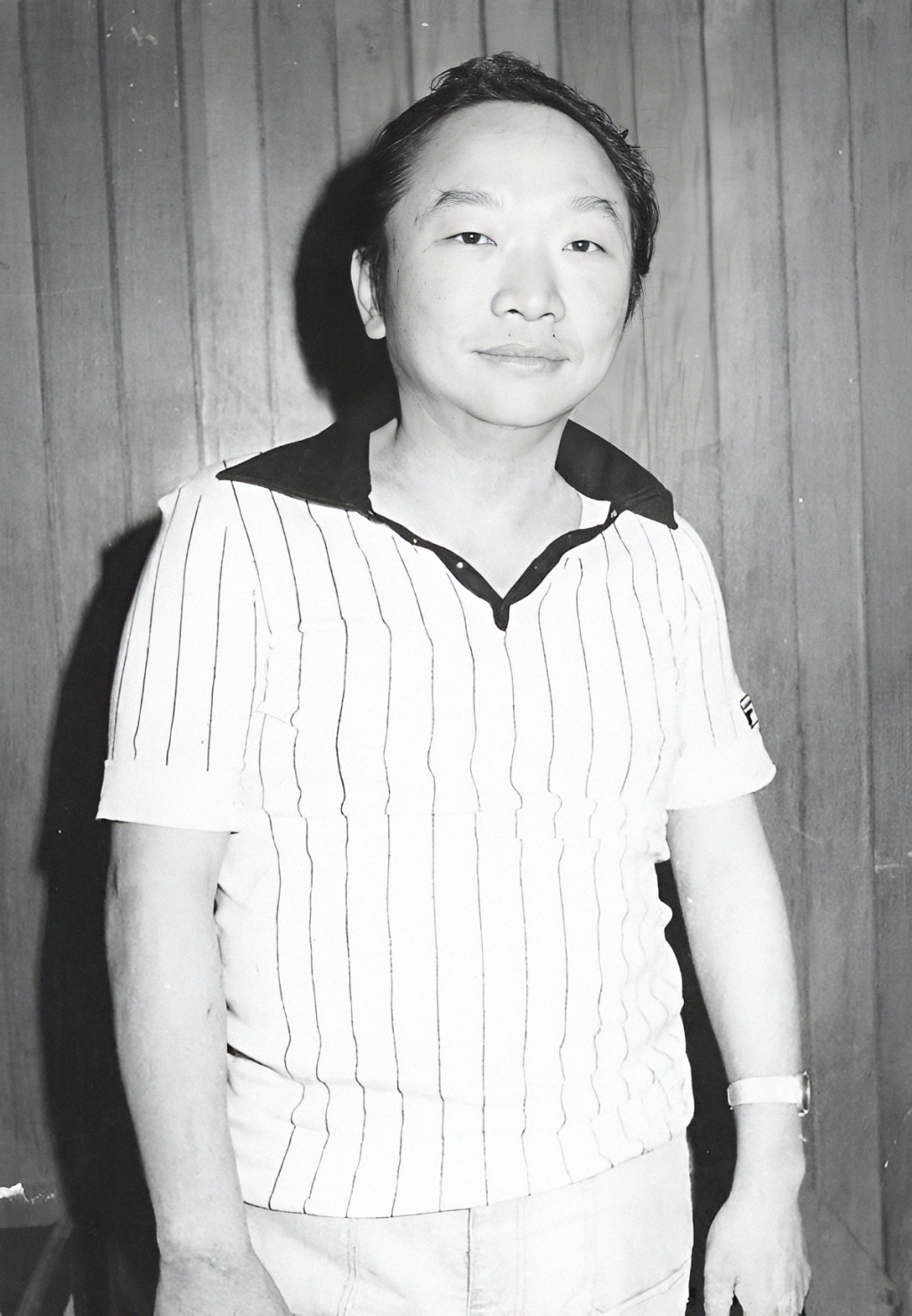
古龙逝世四十周年|陈墨:古龙的魅力和价值——以《萧十一郎》为例
Xin Lang Cai Jing· 2025-09-21 01:43
Core Viewpoint - The article commemorates the 40th anniversary of Gu Long's passing and discusses the significance of his works, particularly focusing on the novel "Xiao Shiyi Lang" and its themes of love, growth, and the complexity of human relationships [1][3][5]. Summary by Sections Gu Long's Cultural Impact - Gu Long is recognized as a significant figure in Chinese martial arts literature, with his novels holding substantial value and charm that may not be fully captured online [5][6]. - The article emphasizes the need to explore the deeper artistic and cultural values of Gu Long's works, which often elude casual readers [5][6]. Analysis of "Xiao Shiyi Lang" - "Xiao Shiyi Lang" is described as a tightly woven narrative that can be summarized in three key actions: seizing a sword, rescuing a beauty, and resisting oppression [9][10]. - The story unfolds through multiple layers, including a rescue narrative, a love story, a growth story, and an enlightenment story, all centered around the character Shen Bi Jun [11][17]. Character Exploration - Shen Bi Jun's character development is highlighted as a significant innovation in the novel, showcasing her journey from a sheltered lady to a self-aware individual [17][20]. - The protagonist Xiao Shiyi Lang is portrayed as a multifaceted character, embodying traits of a thief, a hero, a lover, and an unintentional mentor, complicating the reader's understanding of his true nature [24][27]. Themes of Love and Growth - The love story between Shen Bi Jun and Xiao Shiyi Lang is intricately tied to her personal growth, as she learns to assert her identity and desires beyond societal expectations [20][21]. - The narrative suggests that Shen Bi Jun's departure from her husband is not merely an act of infidelity but a quest for self-discovery and autonomy [32][34]. Examination of Supporting Characters - The character of Lian Cheng Bi is debated, with arguments suggesting he is not a hypocrite but rather a product of his upbringing and societal norms, lacking the emotional intelligence to navigate his relationship with Shen Bi Jun [32][36]. - The article posits that Lian Cheng Bi's actions, while seemingly flawed, stem from a genuine concern for his wife, indicating a more complex moral landscape than a simple dichotomy of good versus evil [34][37].
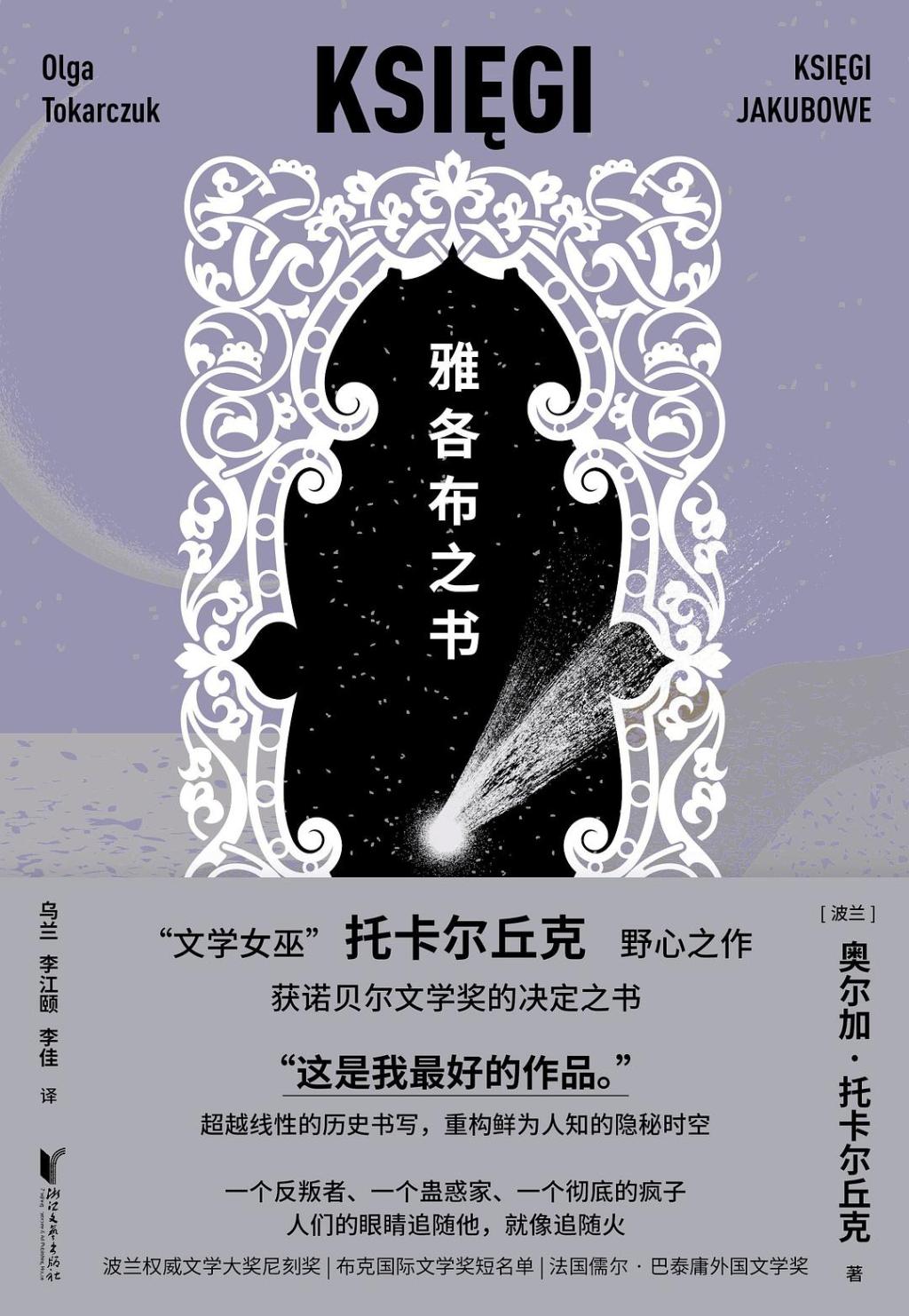
暗蓝评《雅各布之书》|照亮历史,然后治愈世人
Xin Lang Cai Jing· 2025-06-23 03:42
Group 1 - The core theme of "Jacob's Book" by Olga Tokarczuk revolves around the exploration of identity, faith, and the complexities of historical narratives, particularly through the character of Jacob, a religious leader in the 18th century [4][5][20]. - The narrative structure employs a "star cluster writing" style, where Jacob, despite being the central figure, is not directly portrayed, allowing for a diverse exploration of other characters and themes [17][18]. - The story reflects on the tension between enlightenment and tradition, as seen through characters like Asher Rubin, who embodies rationalism, and Gitla, who represents the struggle for personal freedom within a restrictive society [19][21]. Group 2 - The historical context of the novel is set against the backdrop of 18th-century Eastern Europe, highlighting the socio-political dynamics and the Jewish experience during this period [20][25]. - The character of Nahman serves as a representation of the classical believer, whose actions are driven by a desire for personal glory through faith, contrasting with the modern believer represented by Morifda, who seeks healing and understanding [20][21]. - The narrative culminates in a reflection on survival and the human condition, drawing parallels between Jacob's time and the experiences of Jewish families during the Holocaust, emphasizing the enduring nature of storytelling as a means of preserving history [24][25].