周边生意

Search documents
大头贴重回商圈,变身「人生四格」后为何在当下越开越多?|声动早咖啡
声动活泼· 2026-03-27 09:32
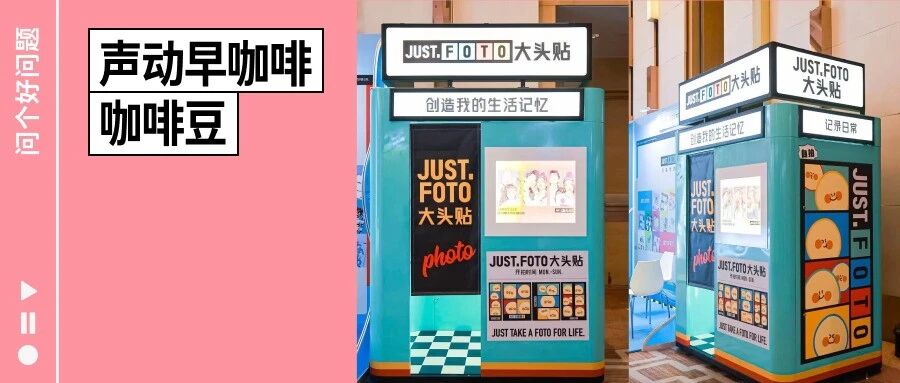
Core Viewpoint - The resurgence of photo booths, particularly self-service photo booths like JUST.FOTO and 拍立方, reflects a growing trend among young consumers in China, driven by nostalgia and the influence of Korean culture [4][5][6]. Market Overview - The market for self-service photo booths in China has seen significant growth, with an estimated industry sales increase from less than 3.2 billion RMB in 2021 to approximately 70.97 billion RMB in 2023 [5][6]. - As of 2023, JUST.FOTO leads the market with over 1,800 locations, indicating a strong competitive position [5]. Historical Context - The original concept of photo booths, known as purikura, originated in Japan in 1995 and gained popularity among young women, but faded around 2010 due to the rise of new photography technologies [4][5]. - The recent revival of photo booths in Asia, particularly in South Korea, has influenced the re-emergence of this trend in China [5][6]. Consumer Behavior - The current generation of consumers prefers self-service options that allow for personal expression without the need for interaction with photographers, aligning with the social media culture [6][7]. - The pricing model for these booths is accessible, typically ranging from 20 to 30 RMB per photo, appealing to young consumers seeking affordable entertainment [6][10]. Business Model and Expansion - The business model for brands like 人生四格 includes a franchise system that provides a steady cash flow, with franchise fees based on sales [10]. - The expansion strategy involves placing booths in high-traffic areas such as shopping malls and subway stations, which helps reduce rental costs compared to traditional photo studios [10][11]. Competitive Landscape - The competition in the photo booth market is heavily influenced by IP licensing, with brands leveraging popular culture and celebrity endorsements to attract customers [11]. - The reliance on IP effects may limit the potential for higher profit margins, as the business model lacks higher-value services found in traditional photography [11].

开卖599元外套,霸王茶姬要做“百货店”?
3 6 Ke· 2025-09-03 01:23
Core Insights - Bawang Chaji has expanded its product line to include clothing, which has surprised consumers and sparked discussions about its brand strategy [1][11] - The company aims to position itself as a competitor to Starbucks, with ambitions to modernize and globalize Chinese tea culture [10][24] - Despite a significant increase in store count and revenue growth, Bawang Chaji has faced a decline in net profit and same-store sales, raising concerns about its market performance [18][19] Group 1: Product Expansion - Bawang Chaji has launched a clothing line with a premium pricing strategy, including items like denim jackets priced at 599 yuan and t-shirts at 199 yuan, which are higher than some fast-fashion brands [1][18] - The brand's merchandise strategy has evolved from simple promotional items to a diverse range of products, including bags and accessories, which have gained popularity among consumers [13][23] - The company has developed a unique "1+1+9+N" franchise model that allows for efficient market expansion and localized product offerings [14][15] Group 2: Market Performance - Bawang Chaji reported a 21.61% increase in revenue to 6.725 billion yuan in the first half of the year, but net profit fell by 38.22% to 755 million yuan [18][19] - The company has 7,038 stores globally, with a net increase of 598 stores in the first half of the year, but has seen a decline in average monthly GMV and same-store sales [18][19] - The brand's stock performance has been volatile, with a significant drop of 54.3% from its peak shortly after its IPO, indicating market skepticism about its business model [24][26] Group 3: Brand Strategy - Bawang Chaji is attempting to create a long-term customer relationship by diversifying its product offerings and enhancing its brand image to appeal to younger consumers [21][27] - The company aims to leverage its cultural heritage and unique aesthetic to attract international consumers, particularly in the North American market [27][29] - The brand's strategy includes positioning itself as a lifestyle brand, moving beyond traditional tea consumption to encompass broader lifestyle aesthetics [23][29]