品牌双500

Search documents
悄悄卖爆衣服的京东
Sou Hu Cai Jing· 2025-09-10 15:45
Core Insights - The partnership between Uniqlo and JD.com signifies a strategic shift in Uniqlo's approach to the Chinese market, reflecting a collective desire for "certainty" in the apparel industry after years of rapid growth and intense competition [4][35] - JD.com is evolving from being perceived solely as a 3C digital platform to a significant player in the apparel sector, aiming to create a "growth arena" focused on quality and supply chain efficiency [4][39] Group 1: Strategic Shifts - Uniqlo's collaboration with JD.com is not merely a channel expansion but a well-considered value choice, indicating a strategic adjustment in response to a maturing and diversified consumer market [4][5] - JD.com has been laying the groundwork for its ambitions in the apparel category since 2010, with significant investments in international fashion and the establishment of a dedicated fashion division in 2017 [5][6] Group 2: User Engagement and Brand Alignment - JD.com aims to establish itself in consumers' minds as the go-to platform for apparel purchases, with Uniqlo's choice reflecting a growing maturity in this aspect [6][8] - The consumer base on JD.com is characterized by rationality and a higher demand for quality, aligning well with Uniqlo's brand philosophy of offering high-quality, functional, and sustainable products [8][9] Group 3: Growth Metrics and Market Dynamics - During the 618 shopping festival, JD.com reported that 2,200 apparel brands saw transaction volumes increase by over 200% year-on-year, highlighting the platform's potential for growth in the apparel sector [9][32] - The apparel industry is facing challenges such as stagnating growth, declining profits, and high return rates, prompting brands to seek more stable and quality-driven growth environments [4][10] Group 4: Supply Chain Innovations - JD.com's supply chain capabilities, including the "cloud warehouse" model, are designed to optimize inventory management for apparel brands, allowing for more flexible responses to market changes [11][12] - This model enables brands to maintain their own warehouses while benefiting from JD.com's fulfillment standards, thus alleviating inventory burdens and enhancing operational efficiency [13][16] Group 5: Quality and Consumer Trust - The collaboration between Uniqlo and JD.com emphasizes the importance of service reliability and consumer trust, with initiatives like the upcoming Uniqlo JD Super Brand Day showcasing exclusive offerings [16][35] - JD.com is shifting its focus from mere traffic generation to providing brands with a stable growth environment, which is crucial for long-term success in the apparel market [10][41] Group 6: Strategic Initiatives - JD.com has introduced strategies like "category penetration" and "brand dual 500" to enhance operational efficiency and foster a healthy brand ecosystem, focusing on deep partnerships with both established and emerging brands [19][27] - The "category penetration" strategy aims to address consumer pain points by creating high-quality, targeted products, while the "brand dual 500" strategy seeks to build a robust brand ecosystem through precise user engagement [22][28] Group 7: Market Positioning and Future Outlook - JD.com is positioning itself as a reliable platform for apparel brands, moving beyond being just a sales channel to becoming a "new growth arena" that offers certainty and value [41][39] - The apparel industry's competitive landscape is shifting, with success increasingly dependent on the ability to provide lasting value to both brands and consumers, rather than relying solely on fleeting marketing tactics [38][41]


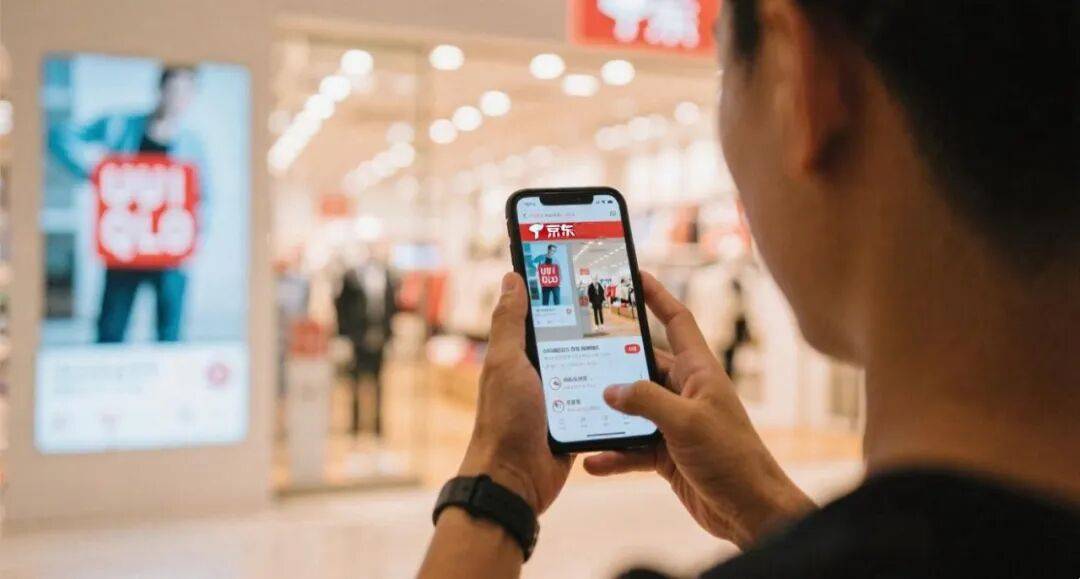
悄悄卖爆衣服的京东
虎嗅APP· 2025-09-10 10:44
Core Viewpoint - The partnership between Uniqlo and JD.com signifies a strategic shift in the fashion industry, reflecting a collective desire for "certainty" amidst market challenges, including stagnating growth and high return rates [4][19][40]. Group 1: Strategic Shifts in the Fashion Industry - Uniqlo's collaboration with JD.com is not merely a channel expansion but a thoughtful value choice, indicating a strategic adjustment in Uniqlo's approach to the Chinese market [4][6]. - The fashion industry is experiencing a transformation as brands seek new growth engines and high-quality development in a mature and diversified consumer market [4][12]. - Brands are increasingly facing challenges such as stagnant growth, declining profits, and high inventory levels, leading to a collective fatigue among consumers [4][10]. Group 2: JD.com's Ambitions in Fashion - JD.com aims to redefine its role in the fashion sector, moving beyond being a mere sales channel to becoming a "growth main stage" focused on quality and supply chain efficiency [5][19]. - The company has been strategically investing in the fashion category since 2010, establishing a fashion division in 2017 and participating in international fashion weeks [8][12]. - JD.com's user profile aligns well with Uniqlo's target consumers, who prioritize quality and are willing to pay for it, making it an attractive platform for brands seeking stable growth [10][19]. Group 3: The Shift from Traffic to Quality Growth - The traditional e-commerce competition model of "traffic is king" has led to price wars and high return rates, prompting brands to seek platforms that offer quality growth [12][19]. - JD.com has developed a "cloud warehouse" model that optimizes inventory management for fashion brands, allowing for faster response to market changes [14][18]. - The collaboration between Uniqlo and JD.com emphasizes the importance of reliable service and consumer trust, enhancing the overall shopping experience [18][40]. Group 4: New Strategies for Brand Growth - JD.com introduced the "category penetration" and "brand dual 500" strategies to provide brands with more certainty in their operations, focusing on refined supply chain management [22][29]. - The "category penetration" strategy aims to create standout products that address consumer pain points, while the "brand dual 500" strategy focuses on deepening partnerships with both established and emerging brands [25][29]. - JD.com has seen significant growth in third-party merchants and brand numbers, indicating the effectiveness of its strategies in fostering a healthy brand ecosystem [31][39]. Group 5: The Future of the Fashion Industry - The fashion industry is undergoing a transformation where the focus is shifting from fleeting marketing tactics to providing lasting value for brands and consumers [41][42]. - JD.com is positioning itself as a key player in this new landscape by emphasizing quality growth and building trust within the consumer base [40][41]. - The collaboration with Uniqlo marks a pivotal moment in the industry, showcasing JD.com's commitment to redefining its role and enhancing the overall value proposition for fashion brands [36][39].