商代文化

Search documents
文博日历丨双手托起小孩,这个动作叫
Xin Lang Cai Jing· 2026-01-22 22:14
Group 1 - The article discusses a significant artifact from the Shang Dynasty, known as the "Jü Fang Ding," which is essentially a square cooking vessel [4] - The vessel features a pair of standing ears, a neck that narrows inward, and a slightly bulging abdomen, giving it a unique and charming appearance [6] - The decoration includes beast face patterns and cloud and thunder motifs, which are considered classic designs of Shang bronze vessels, enhancing the overall elegance and liveliness of the piece [8] Group 2 - The interior of the vessel bears inscriptions, including "Jü Zu Xin Yu," and the emblem of an important Shang clan, "Jü," indicating its historical significance [9] - The character "Jü" has been interpreted by scholars as symbolizing nurturing, reflecting the clan's role in ancient society [10] - The Jü clan played a crucial role during the late Shang Dynasty, with many members holding significant positions and being favored by the Shang kings [10]

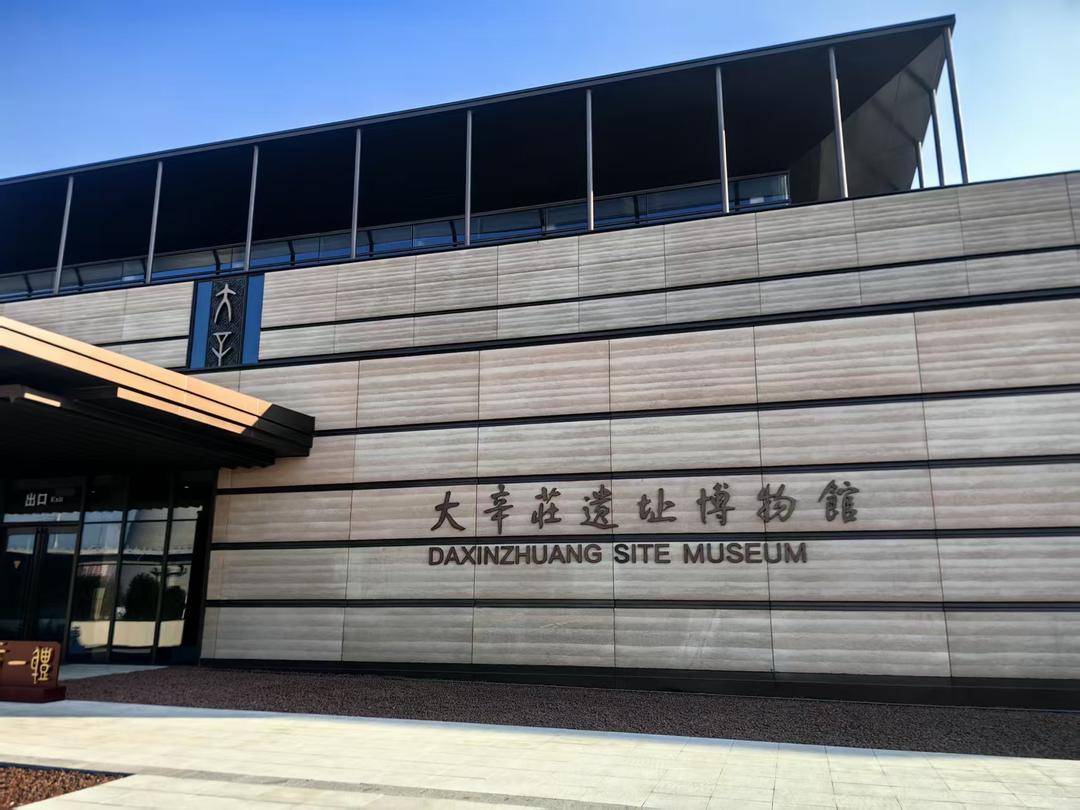
济南大辛庄遗址博物馆今日起试运营
Qi Lu Wan Bao· 2025-12-07 02:37
Core Viewpoint - The Jinan Daxinzhuang Site Museum officially opened for trial operation on December 6, 2023, after two years of construction, showcasing the rich archaeological heritage of the Shang Dynasty and serving as a cultural bridge for the integration of ancient and modern civilizations [1][3]. Group 1: Museum Overview - The museum is located in the northeastern part of Jinan, within the Daxinzhuang village area, and is built on the foundation of the Shang Dynasty Daxinzhuang site [3]. - The museum features two floors, with the first floor dedicated to displaying artifacts such as jade, bronze, bone, and pottery from archaeological excavations, including several national first-class cultural relics [5][7]. - The second floor focuses on academic presentations, utilizing images to showcase significant archaeological findings, enhancing public understanding of the Shang Dynasty [5][7]. Group 2: Archaeological Significance - The Daxinzhuang site has been recognized since the 1930s, with significant excavations conducted by Shandong University and the Jinan Archaeological Research Institute in the 21st century [7]. - The museum is characterized by its unique position as a site-based museum that comprehensively displays Shang culture, making it a must-visit for archaeology enthusiasts [7]. - Important artifacts on display include a large bronze axe and a three-legged round ding, which are on loan from the Shandong University Museum and will be returned after a month [7]. Group 3: Cultural and Educational Impact - The museum's opening is seen as a revival of cultural memory and a sharing of academic achievements, transforming static archaeology into dynamic historical narratives [8]. - The Daxinzhuang site is highlighted as a strategic location for the Shang Dynasty, serving as a key point for cultural exchange between the Central Plains and coastal cultures [9]. - The museum aims to enhance social education and public cultural services, promoting archaeological research and cultural tourism development [11].
文博日历丨“玉戈之王”带你打开3500年前的时光 解锁神秘商代
Yang Shi Xin Wen· 2025-07-17 02:02
Group 1 - The article discusses the significance of a large jade weapon known as the "Jade Ge," which is considered the longest jade ge discovered, measuring 94 centimeters in length and 0.5 centimeters in thickness, earning it the title "King of Jade Ge" [6][12] - The ge, an ancient weapon primarily used for stabbing and slashing, was widely utilized in ancient Chinese warfare, particularly from the Neolithic period through the Qin dynasty [14][16] - The jade ge is believed to have served a ceremonial purpose rather than a practical one, as many unearthed examples show no signs of use, indicating its role in rituals and as a symbol of power among the elite [18] Group 2 - The Panlongcheng site, located in Wuhan, Hubei Province, is recognized as the most significant archaeological site from the early Shang dynasty, dating back approximately 3,500 years, and is referred to as the "root of Wuhan city" [20][22] - Numerous important artifacts have been discovered at the Panlongcheng site, including the largest known bronze ding from the early Shang dynasty and a significant bronze axe measuring 41.4 centimeters in height [22][24] - The site also revealed the earliest and largest jade bi with a collar, featuring nine concentric circle patterns, showcasing the advanced craftsmanship of the time [28]