商品提价

Search documents
周大福再涨价
财联社· 2025-12-18 06:44
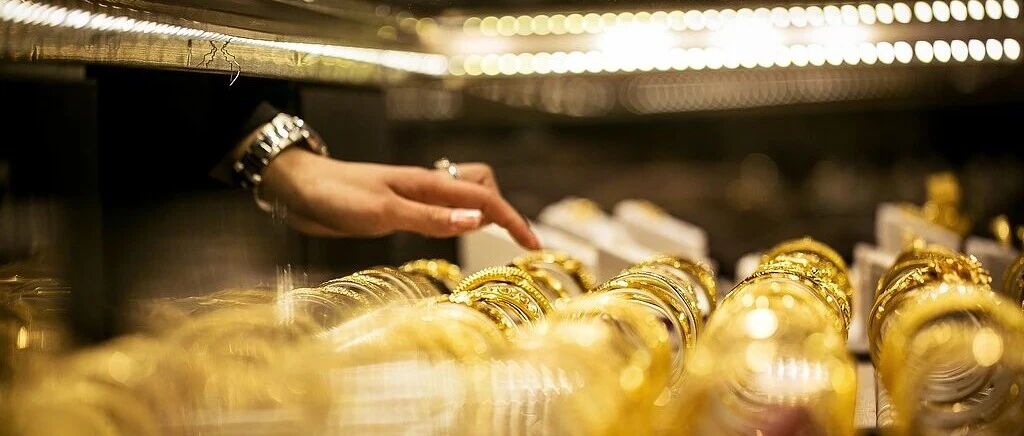
Core Viewpoint - Chow Tai Fook is set to increase prices on certain products due to market factors, with the adjustment window scheduled for December 19 [1][3]. Group 1 - Chow Tai Fook's Tmall flagship store has announced that some products will soon see price increases [1]. - The company has already implemented two price adjustments this year, in March and at the end of October, making this the third increase in 2023 [6].

日媒:关税冲击美国服装进口,多家知名品牌酝酿在美涨价
Huan Qiu Shi Bao· 2025-08-04 22:44
Group 1: Impact of Tariffs on Apparel Industry - The recent announcement of tariffs ranging from 19% to 25% on apparel imports from major Asian countries like Vietnam, Cambodia, Bangladesh, and India is expected to significantly affect companies reliant on these production bases [1][2] - Major brands such as Uniqlo's parent company Fast Retailing and Adidas are considering raising prices in the U.S. market due to increased costs from tariffs [1][2] - In 2023, the total U.S. apparel import value reached $79.3 billion, with Vietnam accounting for 18%, Bangladesh for 9%, and India for 6% [1] Group 2: Company-Specific Responses - Fast Retailing has 74 stores in the U.S. and is adjusting prices flexibly due to tariff impacts, with higher tariffs expected on autumn and winter products [2] - Nike anticipates an additional $1 billion in costs due to U.S. tariffs, while GAP estimates an increase of $250 million to $300 million [2] - Puma has shifted from a profit forecast to a loss due to tariffs, expecting an additional cost of €80 million [2] Group 3: Regional Implications for India and Bangladesh - India's textile sector is heavily reliant on the U.S. market, which constitutes 25% of its total textile exports, prompting discussions on the impact of a 25% tariff [3] - Bangladesh's economy is significantly dependent on textile exports, with over 90% of its exports in this sector, and companies are exploring alternative markets like the EU, Australia, and Japan in response to U.S. tariffs [3] - The Bangladesh Policy Dialogue Center reports that over 100 garment companies are entirely dependent on the U.S. market, indicating a potential crisis due to tariff increases [3]