团结精神

Search documents
不能任由世界滑向“无规则”深渊
Ren Min Ri Bao· 2026-02-02 03:33
Group 1 - The world is increasingly perceived to be sliding into a "rule-less" era, with concerns about the erosion of international order and the rise of unilateralism and hegemony [1][2][3] - The transatlantic relationship between the US and Europe is experiencing significant strain, with mutual trust at a historical low, as highlighted by the US's aggressive foreign policy actions [1][2] - The current geopolitical landscape reflects a deep-seated crisis, with hegemonic powers undermining international law and order, leading to a chaotic global environment [2][3] Group 2 - The post-World War II international order, while not perfect, has been crucial for maintaining global peace and promoting trade; however, recent shifts in policy by key nations threaten this stability [3][4] - Economic cooperation is being weaponized, with geopolitical tensions disrupting global supply chains and trade, leading to a fragmented economic landscape [4][5] - The decline of multilateralism is evident as major powers withdraw from international agreements, jeopardizing the effectiveness of global governance institutions [4][6] Group 3 - The unpredictability of the current global environment poses significant risks, as nations struggle to protect their interests in a landscape where rules are disregarded [5][6] - There is a growing recognition that returning to the previous international order is unlikely, necessitating a collective response to the challenges posed by hegemonic actions [6][7] - The need for unity and cooperation among nations is emphasized as essential to countering the threats of hegemony and ensuring a stable international order [7]
海天为幕 同心绘梦——第十五届全国运动会闭幕式侧记
Xin Hua Wang· 2025-11-22 08:39
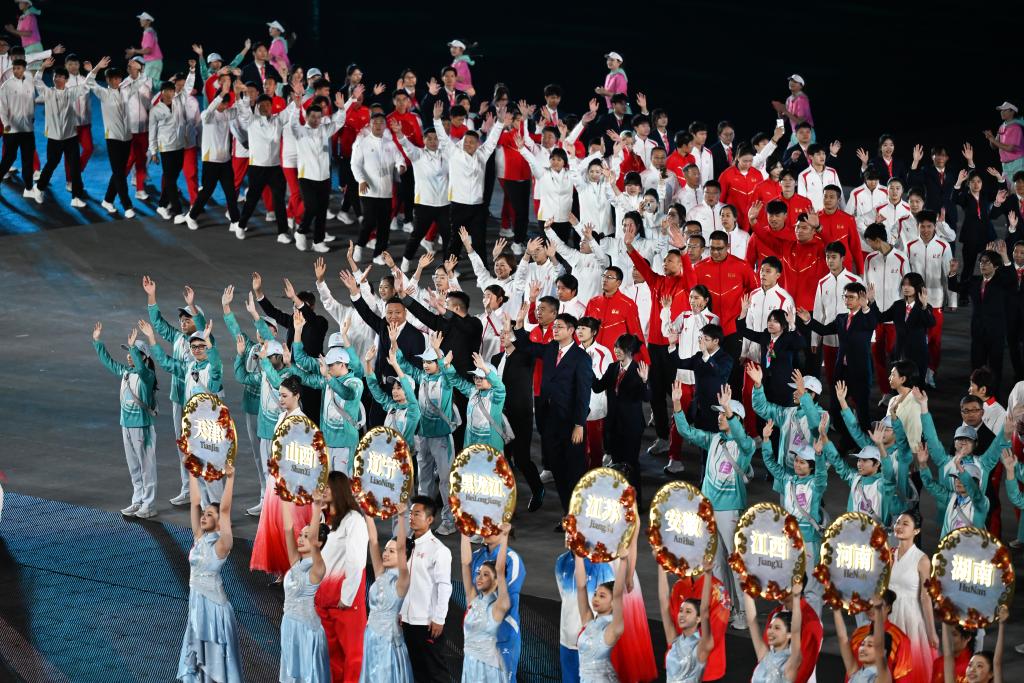
Core Points - The 15th National Games of the People's Republic of China concluded successfully, marking the first time the event was co-hosted by Guangdong, Hong Kong, and Macau, creating lasting memories and a sense of unity among the regions [1][4][11] Group 1: Achievements and Records - Over 8 world records, 13 Asian records, and 14 national records were set during the games, showcasing the exceptional performance of more than 14,000 athletes [2] - Notable achievements included 13-year-old Yu Zidi breaking the Asian record in women's 200m individual medley and 16-year-old Chen Yuxie winning two gold medals in athletics [2] Group 2: Cultural Significance - The event highlighted the deep cultural ties among Guangdong, Hong Kong, and Macau, transitioning from "hard connectivity" to "soft connectivity" and fostering emotional bonds [4] - The closing ceremony featured performances that symbolized the spirit of reform and opening up, with a focus on the collective journey of the regions [8][9] Group 3: Future Prospects - The torch of the National Games was passed to Hunan, indicating the continuation of this sporting tradition and the ongoing development of sports in China [8][11] - The event served as a platform for unity and collaboration, emphasizing the shared dreams and aspirations of the people from different regions [9][11]

(寻味中华丨非遗)香港“大坑舞火龙”:“舞起来,就有无穷力量”
Zhong Guo Xin Wen Wang· 2025-10-05 08:02
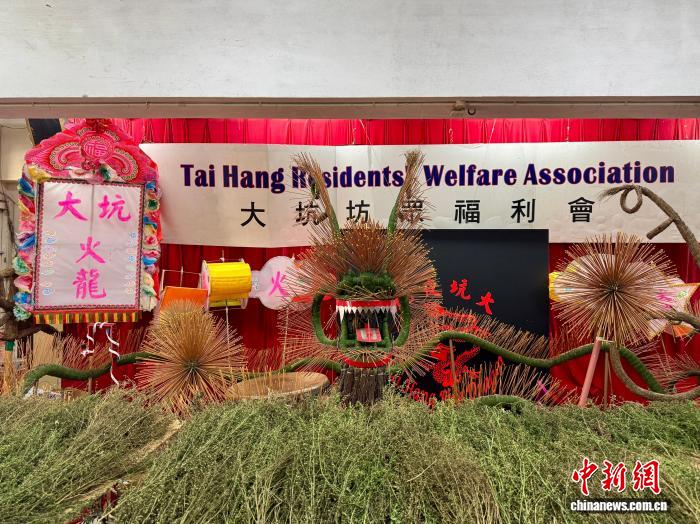
Core Viewpoint - The "Tai Hang Fire Dragon Dance" is a significant cultural event in Hong Kong, symbolizing community spirit and resilience, and has been recognized as a national intangible cultural heritage since 2011 [3][5]. Group 1: Cultural Significance - The "Tai Hang Fire Dragon Dance" originated in 1880 as a means to ward off a plague, showcasing the community's efforts to protect itself through cultural practices [3]. - The event involves the creation of a 60-meter long and 100-kilogram heavy dragon, made with over 10,000 specially designed incense sticks, representing a key visual of the Mid-Autumn Festival in Hong Kong [1][3]. Group 2: Community Involvement - The preparation of the fire dragon requires about two months of work, relying heavily on volunteers who contribute their time and effort after regular work hours [5]. - The "Little Fire Dragon" youth group was established in 2019 to train younger generations in the art of the fire dragon dance, fostering teamwork and cultural appreciation among participants [5][7]. Group 3: Educational and Promotional Efforts - The Tai Hang Fire Dragon Cultural Museum collaborates with local organizations to promote the fire dragon dance beyond its traditional setting, aiming to transform it into a year-round cultural experience [7]. - The upcoming performances from October 5 to 7 will include participation from non-Chinese youth, enhancing cultural exchange and understanding [5][7].
“电台比命都重要,我们得守好用好”(时空对话)
Ren Min Ri Bao· 2025-09-14 22:22
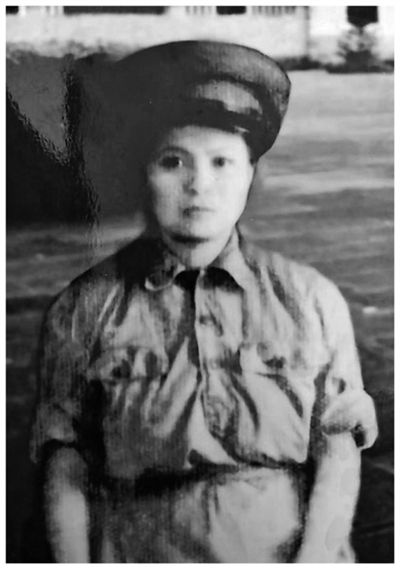
Core Viewpoint - The article highlights the life and contributions of Feng Ruimei, a 98-year-old veteran who played a significant role in the anti-Japanese resistance during World War II, emphasizing her dedication and the hardships faced by her and her comrades [5][6][9]. Group 1: Historical Context - Feng Ruimei joined the Qiongya Anti-Japanese Independent Corps in 1942, initially serving as a service member and later as a radio operator, showcasing her adaptability and commitment to the cause [5][6]. - The article describes the brutal conditions faced by Feng and her fellow soldiers, including food scarcity and the constant threat from Japanese forces, which led to a strong resolve to survive and seek revenge for their community [6][8]. Group 2: Personal Experiences and Contributions - Feng's role as a radio operator required intense focus and skill, as she had to learn to send and receive messages under challenging conditions, often in the presence of mosquitoes and leeches [7][8]. - The article illustrates Feng's dedication to her duties, emphasizing the importance of teamwork and community support during the war, which was crucial for their survival and success [9]. Group 3: Post-War Reflections - After the war, Feng returned to her village, which had been devastated by the conflict, and she continued to embody the spirit of resilience and resourcefulness learned during her service [9]. - The article concludes with Feng's reflections on the joy of victory and the importance of cherishing peace, highlighting her lifelong commitment to community and agricultural production [9].
今日端午节!
证券时报· 2025-05-31 01:51
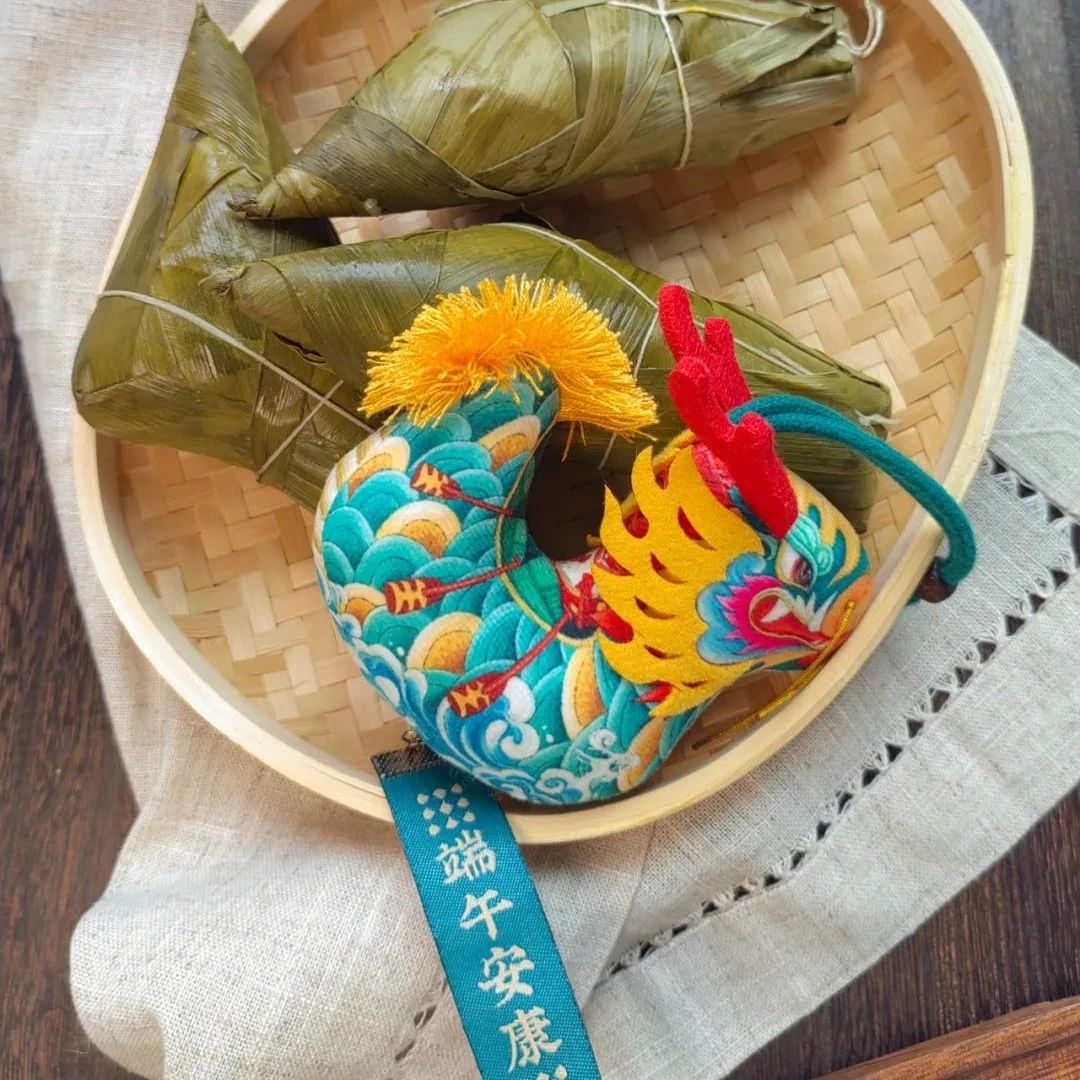
Group 1 - The article emphasizes the cultural significance of the Dragon Boat Festival, highlighting its integration into Chinese collective memory and its evolution over time [4][11] - Dragon boat racing is portrayed as a vibrant symbol of unity and teamwork, attracting both local participants and international enthusiasts [4][6] - The festival stimulates economic activity, with increased consumer spending observed during the holiday, particularly in areas related to traditional crafts and cultural experiences [6][7] Group 2 - The article discusses the creative incorporation of traditional elements, such as mugwort and calamus, into modern products, appealing to consumers and families celebrating the festival [7][9] - It notes the rise in short-distance travel and tourism during the holiday, indicating a significant increase in passenger transport compared to regular periods [9] - The narrative connects the festival's traditions with broader themes of perseverance and cultural pride, reflecting the enduring spirit of the Chinese people [11][13]