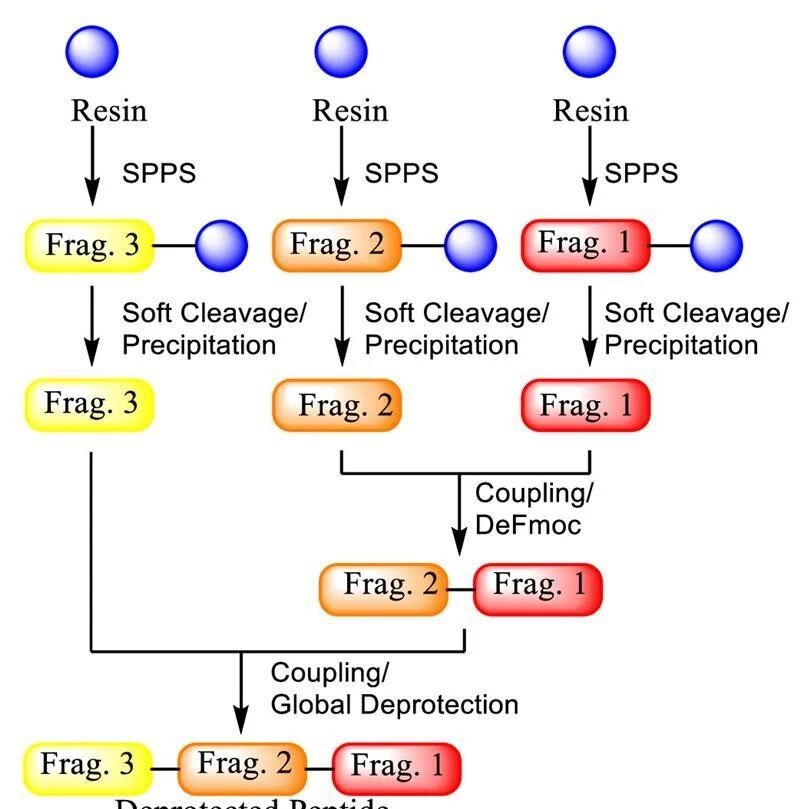
固相肽合成(SPPS)

Search documents
速递|生产司美格鲁肽每年产生超1.23 亿磅有毒溶剂废弃物,污染问题堪忧
GLP1减重宝典· 2026-02-11 13:28
Core Viewpoint - The article discusses the significant environmental and manufacturing challenges posed by GLP-1 peptide drugs, particularly focusing on the solvent consumption and waste generation associated with the mainstream solid-phase peptide synthesis (SPPS) process, which could lead to increased costs and regulatory pressures in the industry [5][7][9]. Group 1: Manufacturing Process Issues - The industrial synthesis of peptide drugs has long relied on SPPS, which, while mature and suitable for commercialization, has high solvent consumption and waste generation [7]. - The SPPS process requires extensive washing steps to remove unreacted materials and by-products, leading to substantial solvent usage and hazardous waste production [7]. - The environmental concerns surrounding GLP-1 drugs stem from the inherent high waste generation of the mainstream manufacturing process rather than the drugs themselves [7]. Group 2: Impact of Increased Demand - GLP-1 drugs are unique in that they have reached unprecedented scales of demand, which amplifies the manufacturing externalities that were previously manageable [8]. - The solvent intensity per kilogram of GLP-1 API is significantly higher than that of typical small-molecule drugs, leading to increased costs for solvent procurement, recovery systems, and hazardous waste disposal [8]. - The scale of waste generated, potentially reaching "tens of millions of kilograms," elevates the issue from a technical detail to an industry-wide concern, affecting new capacity approvals and supply chain logistics [8]. Group 3: Regulatory and Cost Implications - The tightening of regulations around solvents like DMF is leading to increased long-term costs for companies, including higher disposal costs and the need for ongoing capital expenditures for waste management facilities [9][10]. - Compliance risks are also rising, as any incidents related to emissions or waste management can result in significant penalties and operational disruptions [10]. - The differences in manufacturing costs across regions are increasingly driven by regulatory environments rather than labor costs, highlighting the importance of compliance in the overall cost structure [10].