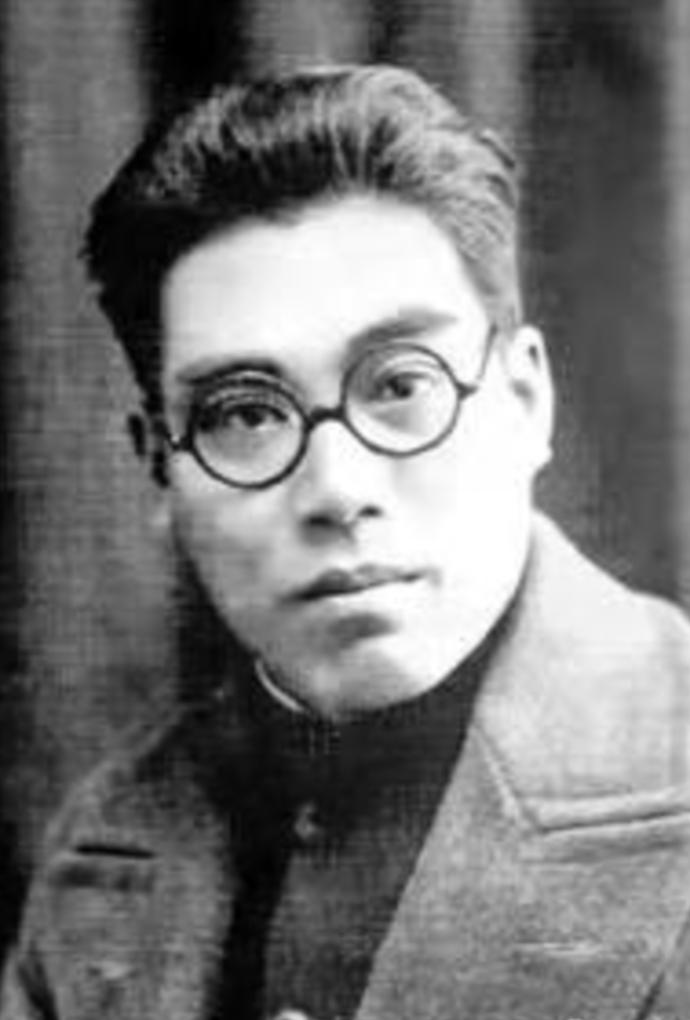
国共合作抗日

Search documents
品读武汉抗战遗址丨威震江南的起点:汉口新四军军部旧址
Sou Hu Cai Jing· 2026-01-31 13:53
汉口新四军军部旧址纪念馆,坐落于武汉市江岸区胜利街 332—352 号,这座始建于 1901 年的建筑,原本是日本大阪商船株式会社汉口支店店 长的私人宅邸。作为汉口日租界首批西式建筑之一,它既有日式木构的轻盈灵动,又融入欧洲古典主义对称美学的庄重沉稳,占地面积达 1074 平方米,两层楼高,采用周边砖墙和局部木柱承重结构,外墙以细石混凝土砂浆粉饰,精心雕琢着雕花、线脚等装饰。这里是新四军诞 生的摇篮,承载着新四军先辈的拼搏奋斗与牺牲奉献,每一寸土地都浸透了他们炽热的鲜血与辛勤的汗水,每一块砖石都铭刻着他们坚定的理 想与崇高的信念。 汉口新四军军部旧址纪念馆外观 烽火催征:国共合作下的军事擘画 1937 年卢沟桥事变后,中共中央审时度势,提出将南方八省红军游击队改编为抗日武装的战略决策。周恩来、叶剑英等中共代表与国民党展 开了长达三个月的艰苦谈判,围绕军队编制、指挥权、防区划定等核心问题展开博弈。国民党当局虽迫于全国抗日形势同意改编,但试图通过 限制编制规模、压缩军费、要求派员参与指挥等手段削弱中国共产党对军队的控制。面对这些限制,中共始终坚守"党指挥枪"的根本原则,坚 决拒绝国民党派员,并提出以叶挺为军长的折 ...

星火聚孤岛 团结御外侮
Hai Nan Ri Bao· 2025-08-15 03:55
Core Viewpoint - The article highlights the historical significance of the Qiongya Anti-Japanese Independent Team's formation during the Second Sino-Japanese War, emphasizing the collaboration between the Communist Party and the Nationalist Party in resisting Japanese aggression in Hainan [7][8][12]. Group 1: Historical Context - The Qiongya region became a focal point for Japanese military strategy due to its proximity to key locations and resources, leading to a united front between the Nationalist and Communist forces to combat the invasion [11][12]. - The collaboration was marked by a significant event on December 5, 1938, when the Qiongya Red Army guerrilla team was officially restructured into the Qiongya Anti-Japanese Independent Team, with over ten thousand local citizens participating in the ceremony [12][13]. Group 2: Key Figures and Events - The handshake between Feng Baiju, the Qiongya Special Committee Secretary, and Wang Yi, the Nationalist Commander, symbolized the difficult yet crucial alliance formed to resist Japanese forces [10][12]. - The Qiongya Anti-Japanese Independent Team quickly gained momentum, expanding from over 300 members to more than 1,000 by March 1939, and later evolving into the Qiongya Column of the People's Liberation Army, which contributed significantly to the revolutionary efforts in the region [14]. Group 3: Community Involvement - The article illustrates the active participation of local youth and citizens in the anti-Japanese efforts, including the formation of the "Young Soldiers" unit, which consisted of children aged 13 to 16 who were eager to join the fight [18][19]. - The support from the local population was crucial, with various communities forming self-defense units and providing resources to the anti-Japanese forces, showcasing a collective effort against the invasion [20].
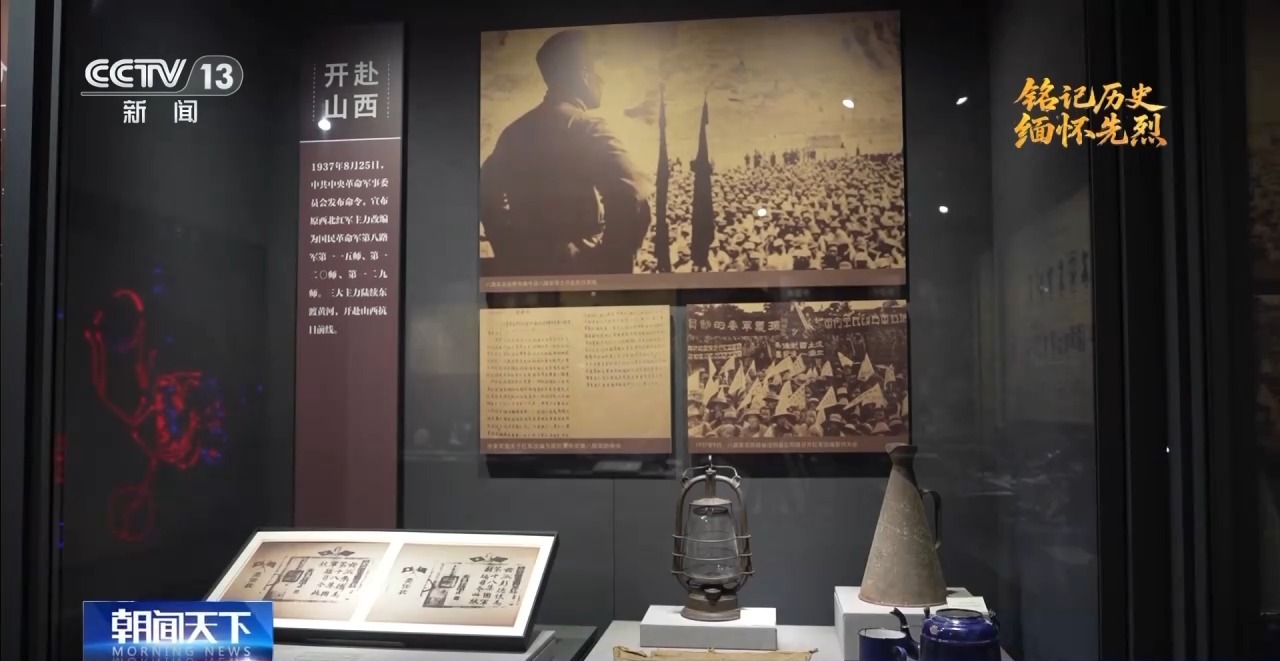
铭记历史 缅怀先烈|打击日寇嚣张气焰 太原会战粉碎日本“不可战胜”神话
Yang Shi Xin Wen· 2025-08-09 03:40
Core Viewpoint - The Taiyuan Campaign, which lasted from September to November 1937, was a significant defensive battle in the early stages of the Second Sino-Japanese War, showcasing the resilience of Chinese forces against Japanese aggression and marking a pivotal moment in the formation of a united front against the invaders [1][10][14]. Summary by Sections Campaign Overview - The Taiyuan Campaign was a large-scale strategic defensive battle involving the Chinese Second War Zone forces against the Japanese army in Shanxi province, including key battles such as the Tianzhen, Pingxingguan, and the defense of Taiyuan [1][10]. - The campaign was characterized by fierce fighting and significant casualties on both sides, with the Chinese forces demonstrating remarkable bravery despite being outgunned [5][12]. Key Battles and Events - The campaign included the notable Pingxingguan victory, which was the first major victory for Chinese forces since the outbreak of the war, boosting morale and demonstrating the potential for resistance against Japanese forces [3][8]. - The battle at Xinkou was particularly intense, with over 20,000 Chinese troops engaged in fierce combat against the Japanese, resulting in heavy losses for the latter and a temporary halt to their advance [6][10]. Impact and Significance - The Taiyuan Campaign significantly delayed Japanese advances in North China, inflicting heavy casualties and disrupting their operational plans, which contributed to the broader strategy of resistance [12][14]. - The campaign is noted for its role in solidifying the cooperation between the Nationalist and Communist forces in China, marking it as one of the best-coordinated efforts in the early stages of the war [14].
铭记历史 缅怀先烈丨陈中柱:英勇无畏的“断头将军”
Xin Hua Wang· 2025-07-04 01:58
Core Viewpoint - The article highlights the premiere of the Huai opera "Burning Smoke" based on the heroic deeds of anti-Japanese general Chen Zhongzhu, emphasizing his legacy and the historical context of his sacrifices during the war [3][4]. Summary by Sections Historical Context - Chen Zhongzhu, a significant figure in the anti-Japanese resistance, was born in October 1906 in a peasant family in Jiangsu Province. He became involved in revolutionary activities and military training, eventually leading the 4th Division of the guerrilla forces in the Jiangsu region during the Second Sino-Japanese War [4][5]. Key Events - On June 5, 1941, Chen's forces were ambushed by Japanese troops, leading to his heroic but tragic death at the age of 35. After his death, the Japanese forces decapitated him, which prompted his pregnant wife, Wang Zhifang, to bravely retrieve his head for a proper burial [3][4]. Cultural Impact - The opera "Burning Smoke" aims to portray the emotional and historical significance of Chen Zhongzhu's story, reflecting the spirit of resistance and the sacrifices made during the war. The performance concludes with a powerful message about the enduring spirit of the Chinese people [5]. Educational Influence - Chen Zhongzhu's legacy continues to inspire local students, with schools named after him organizing activities to honor his contributions. Scholarships are awarded in his and his wife's name to encourage academic excellence among students [5].