华侨支援抗战

Search documents
抗战烽火中的“侨力量”:粤籍华侨万里同心抗敌寇
2 1 Shi Ji Jing Ji Bao Dao· 2025-09-18 10:54
Core Viewpoint - The article highlights the significant contributions of overseas Chinese, particularly from Guangdong, during the Anti-Japanese War, emphasizing their financial support, participation in military efforts, and international advocacy for China's cause [1][2][3]. Group 1: Contributions of Overseas Chinese - From 1937 to 1945, overseas Chinese donated approximately 2.4 billion national currency and remitted 9.5 billion national currency, along with donating 79 aircraft and over 650 vehicles to support the war effort [1]. - The "Nanyang Chinese Relief Fund" was established in 1938, uniting 800 million overseas Chinese in Southeast Asia to coordinate relief efforts, leading to the formation of over 1,000 local fundraising committees [2][3]. - By 1940, there were 649 large anti-Japanese organizations formed by overseas Chinese, which played a crucial role in supporting the war [3]. Group 2: Financial Support and Fundraising - The "Nanyang Chinese Relief Fund" initiated a monthly donation system, raising 400 million national currency from 1939 to 1941 [3]. - The "New York Chinese Anti-Japanese Fundraising Committee" raised over 330 million USD from 1937 to the end of the war, mobilizing Chinese communities in the Americas [4]. - In 1939, the national military expenditure was 1.8 billion national currency, while overseas Chinese remittances reached 1.1 billion national currency, showcasing their financial impact [4]. Group 3: Participation in Military Efforts - Over 40,000 overseas Chinese from Guangdong and Hainan returned to China to join the fight against Japanese forces, significantly bolstering local resistance efforts [5]. - The "Nanyang Chinese Mechanic Corps" was formed in 1939, with over 3,200 young Chinese returning to support the transportation of military supplies via the Burma Road, delivering 10,000 tons of military goods monthly [5][6]. Group 4: Advocacy and International Support - Overseas Chinese engaged in international advocacy by establishing over 150 anti-Japanese newspapers and organizing events to raise awareness about the atrocities committed by Japanese forces [6]. - Influential figures like Thai Chinese businessman Yi Guangyan used their platforms to garner support for China, highlighting the importance of media in shaping public opinion [6].
胜利日回眸:抗战中不能忘却的“侨力量”
Zhong Guo Xin Wen Wang· 2025-09-03 09:10
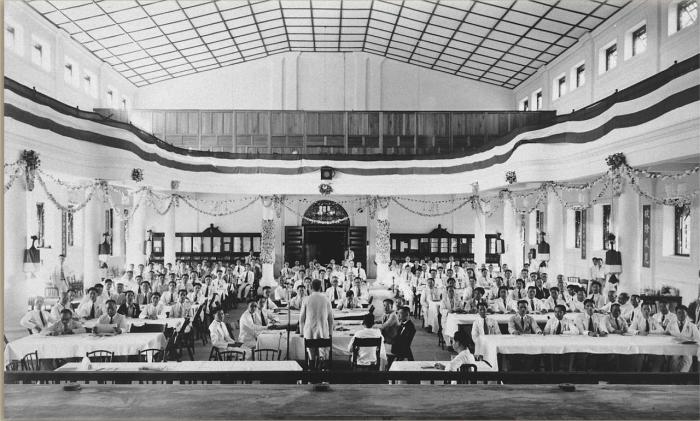
Core Viewpoint - The article commemorates the 80th anniversary of the victory in the Chinese People's War of Resistance against Japanese Aggression and highlights the significant contributions of overseas Chinese during this period [1] Group 1: Contributions of Overseas Chinese - The establishment of the South China Overseas Chinese Relief Association in 1938 united 8 million overseas Chinese to support the war effort through various means, including financial donations and volunteer services [4] - The South China Overseas Chinese Relief Association raised approximately 400 million yuan in the first three years of the war, showcasing the overwhelming support from both wealthy merchants and ordinary workers [4] - The New York Chinese Anti-Japanese Fundraising Association raised over 330 million USD from 1937 to the end of the war, with individual contributions averaging between 670 to 1000 USD [6][8] Group 2: Key Figures and Organizations - Chen Jiageng, a prominent leader, organized various fundraising efforts and mobilized overseas Chinese youth to return to China to support the war [4][5] - Yi Guangyan, a leader among Thai overseas Chinese, actively resisted Japanese influence and organized fundraising activities, ultimately sacrificing his life for the cause [10] - Li Lin, a notable female guerrilla leader, led a 200-member anti-Japanese unit and died heroically during a military operation at the age of 24 [11] Group 3: Cultural and Media Support - The "America Chinese Daily" emerged as a significant platform for overseas Chinese to express their patriotism and support for the war, providing news and rallying support for the Chinese cause [12][13][15] - The Chinese theatrical movement in Malaya played a crucial role in raising awareness and funds for the anti-Japanese efforts, with numerous performances held to mobilize public sentiment [16][17]

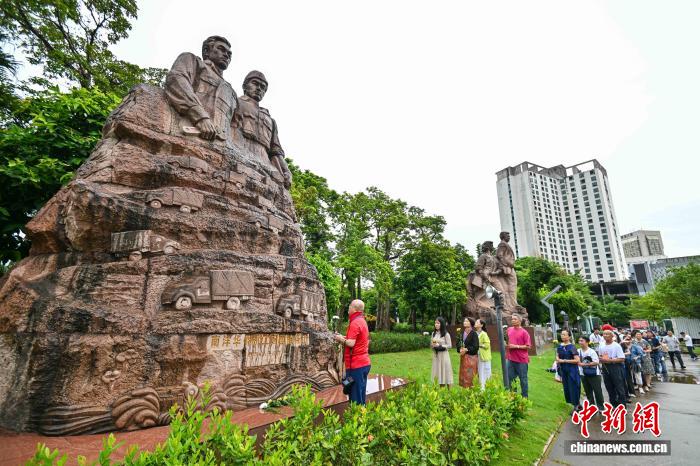
海外华媒海南采访行:雕塑前追忆南侨机工回国抗战
Zhong Guo Xin Wen Wang· 2025-08-26 07:12
Core Viewpoint - The article highlights the historical significance of the South Overseas Chinese Labor Corps, emphasizing their contributions to the anti-Japanese war and the importance of preserving their stories for future generations [1][3][5]. Group 1: Historical Context - During the anti-Japanese war, over 3,200 young overseas Chinese formed the South Overseas Chinese Labor Corps, with more than 800 from Hainan, to transport war supplies and maintain vehicles, significantly contributing to the war effort [3][5]. - The sculptures commemorating the South Overseas Chinese Labor Corps and the Qiongya Overseas Chinese United Association serve as a reminder of the patriotic spirit and sacrifices made by these individuals [3][5]. Group 2: Personal Narratives - Descendants of the South Overseas Chinese Labor Corps shared personal stories, revealing the hidden histories of their family members who participated in the war, often only discovered later in life [5][6]. - The emotional impact of these stories resonated with overseas Chinese media representatives, who expressed a commitment to sharing these narratives with a broader audience [6]. Group 3: Cultural Significance - The sculptures' design symbolizes the lofty patriotic sentiments of the overseas Chinese, akin to mountains, reflecting their enduring legacy [3]. - The phrase "To sacrifice one's life is true heroism; to love one's country is the mark of a true man" encapsulates the spirit of the South Overseas Chinese Labor Corps, serving as a family motto for descendants [6].
星火聚孤岛 团结御外侮
Hai Nan Ri Bao· 2025-08-15 03:55
Core Viewpoint - The article highlights the historical significance of the Qiongya Anti-Japanese Independent Team's formation during the Second Sino-Japanese War, emphasizing the collaboration between the Communist Party and the Nationalist Party in resisting Japanese aggression in Hainan [7][8][12]. Group 1: Historical Context - The Qiongya region became a focal point for Japanese military strategy due to its proximity to key locations and resources, leading to a united front between the Nationalist and Communist forces to combat the invasion [11][12]. - The collaboration was marked by a significant event on December 5, 1938, when the Qiongya Red Army guerrilla team was officially restructured into the Qiongya Anti-Japanese Independent Team, with over ten thousand local citizens participating in the ceremony [12][13]. Group 2: Key Figures and Events - The handshake between Feng Baiju, the Qiongya Special Committee Secretary, and Wang Yi, the Nationalist Commander, symbolized the difficult yet crucial alliance formed to resist Japanese forces [10][12]. - The Qiongya Anti-Japanese Independent Team quickly gained momentum, expanding from over 300 members to more than 1,000 by March 1939, and later evolving into the Qiongya Column of the People's Liberation Army, which contributed significantly to the revolutionary efforts in the region [14]. Group 3: Community Involvement - The article illustrates the active participation of local youth and citizens in the anti-Japanese efforts, including the formation of the "Young Soldiers" unit, which consisted of children aged 13 to 16 who were eager to join the fight [18][19]. - The support from the local population was crucial, with various communities forming self-defense units and providing resources to the anti-Japanese forces, showcasing a collective effort against the invasion [20].
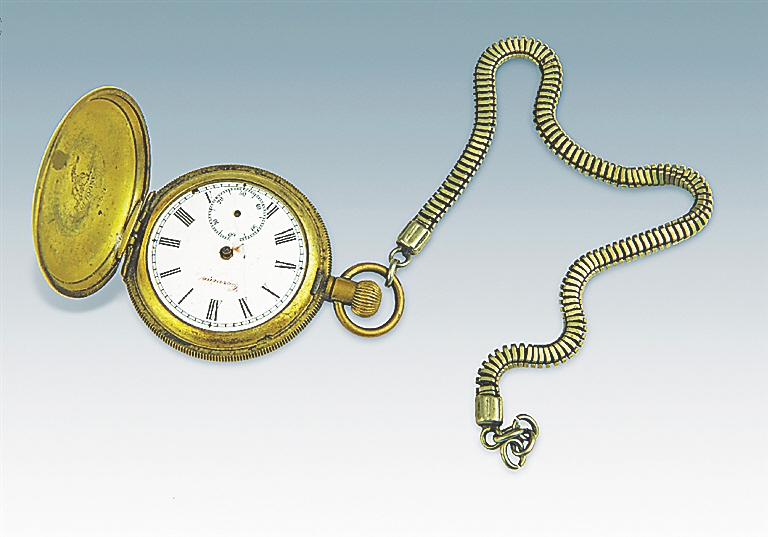
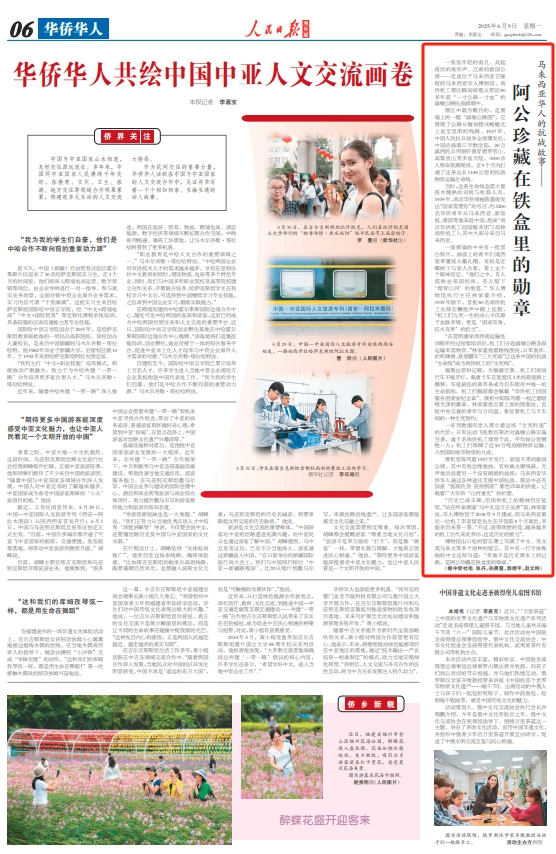
阿公珍藏在铁盒里的勋章
Ren Min Ri Bao Hai Wai Ban· 2025-06-09 05:17
Core Points - The article highlights the historical significance of the "Southern Overseas Chinese Workers" who contributed to the construction of the Burma Road during the Second Sino-Japanese War, emphasizing their sacrifices and the vital role they played in transporting military supplies to China [1][2][3] Group 1: Historical Context - The Burma Road, a crucial supply line during the war, was constructed by 20,000 people from Yunnan, with over 3,000 fatalities occurring during its construction [1] - In 1939, a call to action by Chinese leader Tan Kah Kee led approximately 3,200 overseas Chinese youths from Malaysia, Singapore, and Thailand to join the "Southern Overseas Chinese Workers" [1][2] Group 2: Challenges Faced - The workers faced significant dangers, including air raids by Japanese forces, diseases like malaria, and treacherous driving conditions, which turned the road into a "death line" for many [2][3] - Data indicates that over 1,000 Southern Overseas Chinese Workers lost their lives, averaging one death per kilometer of the road, while they facilitated the transport of nearly 500,000 tons of strategic supplies, accounting for 90% of international aid to China [3] Group 3: Cultural Significance - The Malaysian Chinese Museum showcases artifacts such as war bonds and letters from overseas Chinese, reflecting their support for China's war efforts [3] - The museum serves as a reminder of the enduring spirit of the Southern Overseas Chinese Workers, with increasing visits from their descendants, indicating a historical legacy being passed down [3]