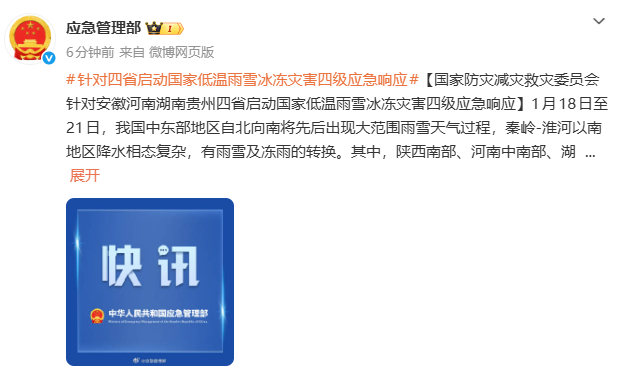
国家低温雨雪冰冻灾害应急预案

Search documents
视频丨冻雨不是雪 盘点低温雨雪冰冻天气常见误区
Yang Shi Xin Wen Ke Hu Duan· 2026-01-25 13:37
Core Viewpoint - The article highlights common misconceptions regarding low-temperature rain, snow, and ice weather, emphasizing the importance of accurate understanding to improve safety and response efficiency during such conditions [1][5]. Group 1: Weather Phenomena - Precipitation forms are complex and diverse, with freezing rain and snow often causing confusion due to their different formation processes and characteristics [3]. - Snow forms from water vapor in high-altitude clouds directly crystallizing into ice, while freezing rain consists of supercooled water droplets that freeze upon contact with surfaces, creating a smooth ice layer [3]. Group 2: Temperature Misconceptions - A common misconception is that ice only forms when temperatures are below 0°C; however, surface temperatures can be affected by various factors, leading to freezing even when air temperatures are above 0°C [5][7]. - The temperature reported in weather forecasts refers to the air temperature measured at 1.5 meters above ground, which may differ from the actual surface temperature due to radiation cooling and other effects [7]. Group 3: Composite Disasters - Low-temperature rain, snow, and ice disasters are not isolated weather events but rather composite disasters resulting from the combination of cold waves, low temperatures, rain, snow, and ice [9]. - The destructive power of these disasters arises from the synergistic effects of low temperatures and precipitation, leading to prolonged impacts on infrastructure and various sectors, including electricity, communication, transportation, agriculture, and public health [9].

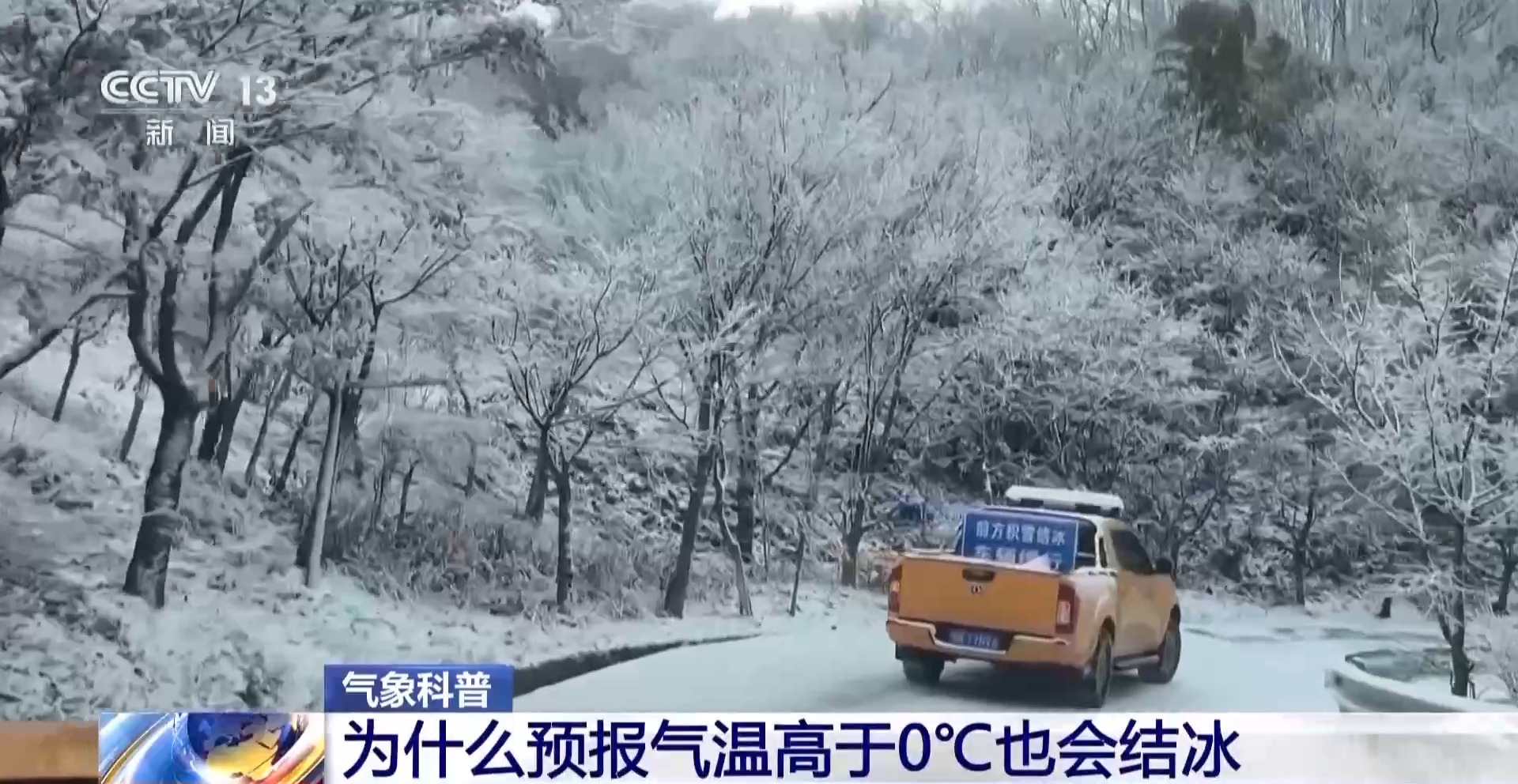
冻雨不是雪 盘点低温雨雪冰冻天气常见误区
Xin Lang Cai Jing· 2026-01-24 09:19
Core Viewpoint - The article emphasizes the misconceptions surrounding low-temperature rain, snow, and freezing weather, highlighting the differences between freezing rain and snow, and the complexities of low-temperature weather phenomena [1][3][7]. Group 1: Weather Phenomena - Freezing rain and snow are both winter precipitation types, but they differ in formation and appearance. Snow forms from water vapor in high-altitude clouds, while freezing rain consists of supercooled water droplets that freeze upon contact with surfaces [1]. - A common misconception is that ice only forms when temperatures are below 0°C. However, surface temperatures can drop below 0°C due to factors like radiative cooling, even when air temperatures are above freezing [3][5]. Group 2: Impact of Low-Temperature Weather - Low-temperature rain, snow, and freezing disasters are not isolated weather events but rather a combination of cold waves, low temperatures, rain, snow, and freezing conditions. This compound disaster can have significant and prolonged impacts on infrastructure [7]. - The effects of low-temperature rain and snow can be complex and cumulative, affecting various sectors such as electricity, communication, transportation, agriculture, and public health [7].
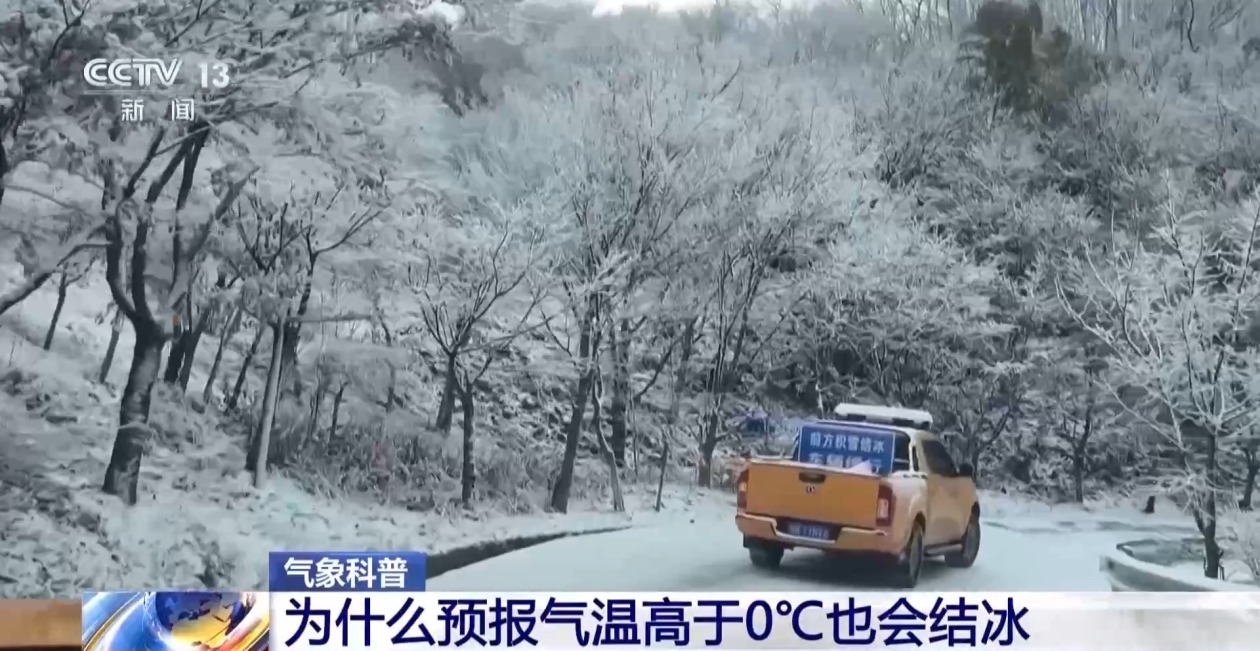
应急管理部:针对四省启动国家低温雨雪冰冻灾害四级应急响应
Xin Lang Cai Jing· 2026-01-18 12:17
Group 1 - The National Disaster Reduction and Relief Committee has initiated a Level 4 emergency response for low-temperature rain, snow, and ice disasters in Anhui, Henan, Hunan, and Guizhou provinces due to the expected severe weather from January 18 to 21 [1][2] - The Central Meteorological Observatory has issued yellow warnings for cold waves and ice, as well as a blue warning for heavy snow, indicating significant weather risks in the affected regions [1][2] - The emergency response aims to ensure safety, maintain transportation, secure power supply, protect livelihoods, and stabilize the situation, with a focus on key sectors such as transportation, electricity, and communication [2] Group 2 - The response includes enhancing emergency coordination mechanisms, strengthening joint assessments, and pre-positioning rescue teams and materials to address potential emergencies effectively [2] - The committee has deployed working groups to assist on-site in Henan and has increased support in Hunan and Guizhou to manage the situation [2]