
雪

Search documents
视频丨冻雨不是雪 盘点低温雨雪冰冻天气常见误区
Yang Shi Xin Wen Ke Hu Duan· 2026-01-25 13:37
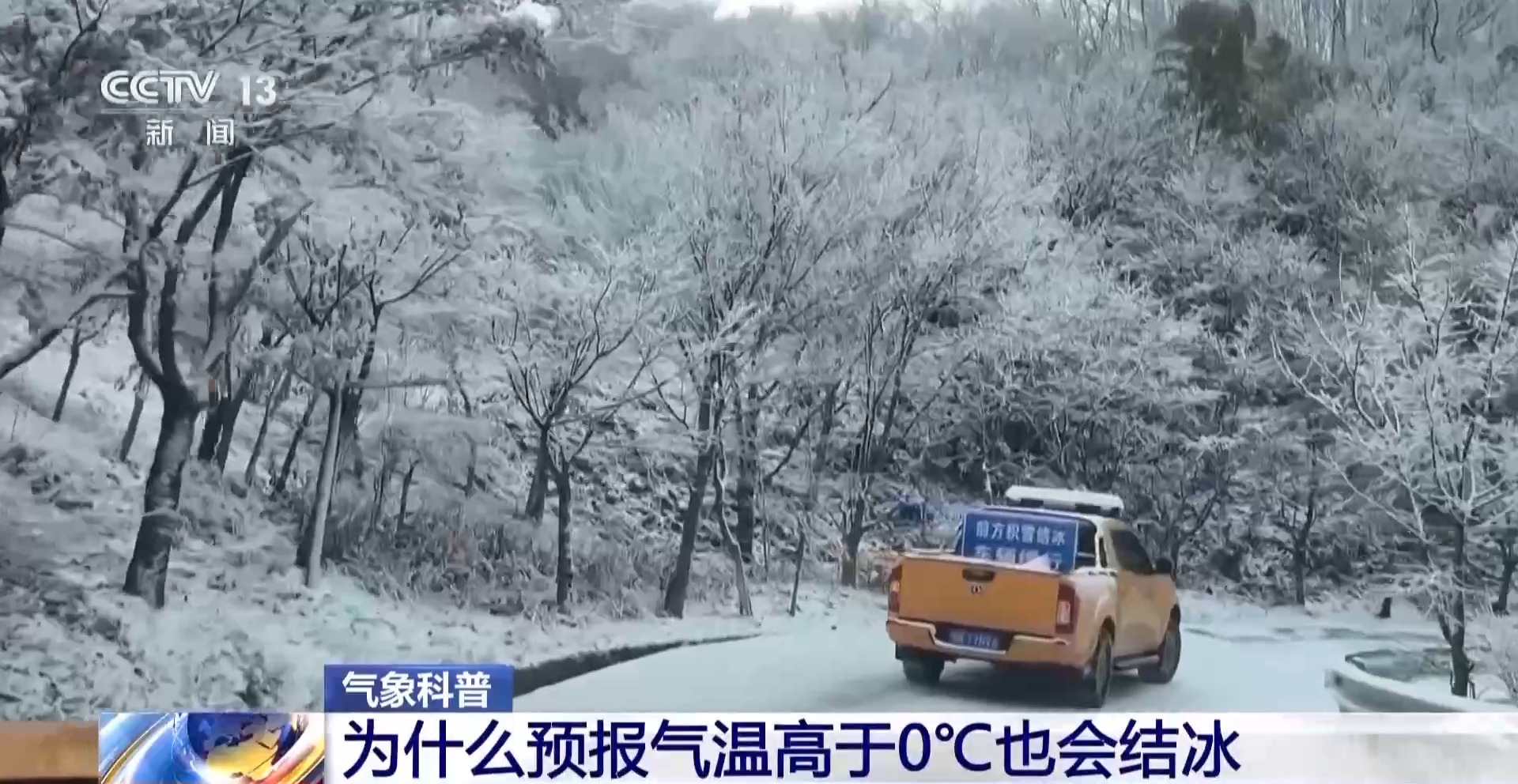
Core Viewpoint - The article highlights common misconceptions regarding low-temperature rain, snow, and ice weather, emphasizing the importance of accurate understanding to improve safety and response efficiency during such conditions [1][5]. Group 1: Weather Phenomena - Precipitation forms are complex and diverse, with freezing rain and snow often causing confusion due to their different formation processes and characteristics [3]. - Snow forms from water vapor in high-altitude clouds directly crystallizing into ice, while freezing rain consists of supercooled water droplets that freeze upon contact with surfaces, creating a smooth ice layer [3]. Group 2: Temperature Misconceptions - A common misconception is that ice only forms when temperatures are below 0°C; however, surface temperatures can be affected by various factors, leading to freezing even when air temperatures are above 0°C [5][7]. - The temperature reported in weather forecasts refers to the air temperature measured at 1.5 meters above ground, which may differ from the actual surface temperature due to radiation cooling and other effects [7]. Group 3: Composite Disasters - Low-temperature rain, snow, and ice disasters are not isolated weather events but rather composite disasters resulting from the combination of cold waves, low temperatures, rain, snow, and ice [9]. - The destructive power of these disasters arises from the synergistic effects of low temperatures and precipitation, leading to prolonged impacts on infrastructure and various sectors, including electricity, communication, transportation, agriculture, and public health [9].

天上为什么会下“跳跳糖”
Xin Lang Cai Jing· 2026-01-24 22:40
Core Viewpoint - The recent trending topic "Hail in Anhui" refers to the phenomenon of sleet, a form of solid precipitation that consists of small ice particles, which can signal the transition from rain to snow [1][3]. Group 1: Definition and Formation - Sleet is a conventional form of winter precipitation, characterized by white, opaque, cone-shaped or nearly spherical ice particles that are brittle and bounce upon hitting the ground [1]. - The formation of sleet requires precise meteorological conditions, where snowflakes encounter a layer of slightly above-freezing temperatures and high humidity, leading to the rapid freezing of supercooled water droplets on the snowflakes [1]. Group 2: Differences from Snow and Hail - Sleet differs from snow in shape and density; snowflakes are typically flat and hexagonal, while sleet is solid and denser, falling during relatively warmer ground temperatures [2]. - Although sleet and small hail may appear similar, sleet is softer and crumbles easily, whereas hail has a hard core formed from supercooled water droplets and typically occurs during strong convective summer storms [2]. Group 3: Indicators of Snow - The occurrence of sleet often indicates that the atmospheric conditions are suitable for snow, as it suggests that the upper atmosphere has cooled enough to allow for solid precipitation [3]. - Sleet can serve as a transitional product, with the potential to turn into snow if cold air dominates and the conditions for supercooled clouds diminish [3]. Group 4: Safety Precautions - Sleet can create slippery surfaces upon melting, particularly on bridges and elevated areas where temperatures are lower, leading to the formation of thin ice [4]. - Drivers are advised to reduce speed, avoid high beams, and refrain from sudden braking or sharp turns to prevent skidding, while pedestrians should be cautious of slipping and avoid areas under trees or billboards [4].
冻雨不是雪 盘点低温雨雪冰冻天气常见误区
Xin Lang Cai Jing· 2026-01-24 09:19
Core Viewpoint - The article emphasizes the misconceptions surrounding low-temperature rain, snow, and freezing weather, highlighting the differences between freezing rain and snow, and the complexities of low-temperature weather phenomena [1][3][7]. Group 1: Weather Phenomena - Freezing rain and snow are both winter precipitation types, but they differ in formation and appearance. Snow forms from water vapor in high-altitude clouds, while freezing rain consists of supercooled water droplets that freeze upon contact with surfaces [1]. - A common misconception is that ice only forms when temperatures are below 0°C. However, surface temperatures can drop below 0°C due to factors like radiative cooling, even when air temperatures are above freezing [3][5]. Group 2: Impact of Low-Temperature Weather - Low-temperature rain, snow, and freezing disasters are not isolated weather events but rather a combination of cold waves, low temperatures, rain, snow, and freezing conditions. This compound disaster can have significant and prolonged impacts on infrastructure [7]. - The effects of low-temperature rain and snow can be complex and cumulative, affecting various sectors such as electricity, communication, transportation, agriculture, and public health [7].
追雪(组诗)
Xin Lang Cai Jing· 2025-12-23 17:03
Group 1 - The article reflects on the unexpected nature of life and events, using the metaphor of snow to illustrate beauty and transience [1] - It highlights the contrast between preparation and the unpredictability of outcomes, emphasizing a sense of longing and unfulfilled expectations [1] - The imagery of snow falling and the emotional response to it suggests a deeper connection to nature and personal experiences [1] Group 2 - The author expresses a mix of gratitude and regret, indicating a complex emotional landscape shaped by experiences in the Daba Mountains [2] - The mention of being part of a community or collective experience suggests a shared cultural or regional identity [2]