
国家区域医疗中心建设

Search documents
锚定国家区域医疗中心建设擘画区域医疗服务发展新图景
Qi Lu Wan Bao· 2026-02-10 02:12
Core Viewpoint - Shandong Provincial Hospital Heze Hospital aims to enhance its medical service capabilities and establish itself as a high-level national regional medical center by 2025 through strategic focus, resource integration, and management innovation [1] Group 1: Strategic Development - The hospital has designated 2025 as the "Service Capability Improvement Year" and "Hospital Operation Management Year," focusing on systematic planning for the construction of a national regional medical center [2] - The initial core construction will focus on the establishment of specialized centers such as the Neurology Center, Cardiology Center, and Critical Illness Rescue Center, while also planning for new centers like the Oncology Center and Hematology Center [2] Group 2: Specialized Center Construction - The hospital integrates the creation of national and provincial clinical key specialties with the construction of diagnostic and treatment centers, implementing six plans to enhance clinical diagnosis and treatment levels [3] - The establishment of a full-chain management mechanism for new technologies and specialties has led to significant improvements in surgical capabilities and critical illness rescue [3] Group 3: Talent and Technology Development - The hospital promotes the integration of technology, talent, and research, achieving significant advancements in critical care capabilities through the application of core technologies [4] - A dual approach to talent cultivation is adopted, focusing on both attracting and nurturing talent through high-level platforms and systematic training [4] Group 4: Research and Innovation - The hospital encourages innovation based on clinical needs, establishing a research management chain that supports the transformation of new technologies and projects [5] Group 5: Service Platform and Management - The hospital is enhancing its hardware and management systems to ensure the effective delivery of provincial quality medical resources [6] - High-standard platforms for interventional and endoscopic treatments are being developed to optimize patient care and reduce waiting times for critical patients [7] Group 6: Operational Management - The hospital has established a unique operational management system that integrates strategic planning, resource allocation, process optimization, and performance evaluation [8] - Key performance indicators for critical conditions like acute myocardial infarction and stroke are set to reach advanced levels within the province by 2025, while patient medical costs are effectively controlled [8] Group 7: Future Directions - The hospital plans to deepen the construction of the national regional medical center and enhance collaboration with Shandong Provincial Hospital to improve service quality and management systems [9]
国家区域医疗中心让优质医疗资源真正“扎根”贵州
Zhong Guo Xin Wen Wang· 2026-01-29 07:02
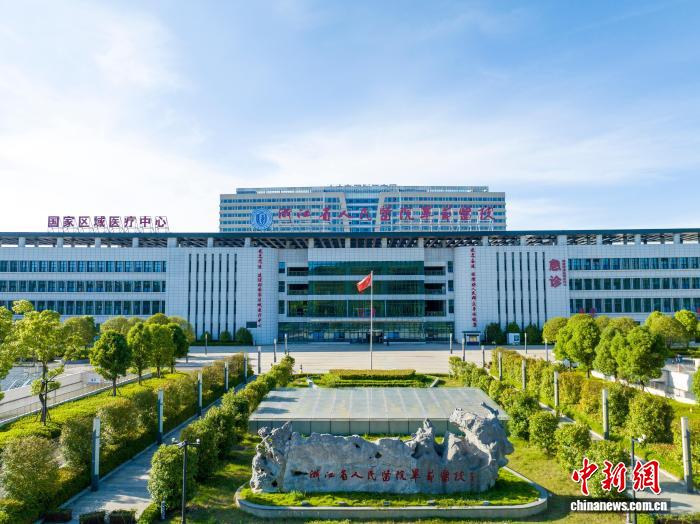
Core Insights - The establishment of national regional medical centers aims to bring top-tier medical resources closer to the public in Guizhou, enhancing accessibility and quality of healthcare [1][3]. Group 1: National Regional Medical Center Development - In October 2022, the Guizhou Provincial Government signed an agreement with Zhejiang Provincial People's Hospital to jointly build a national regional medical center [1]. - The Zhejiang-Bijie Hospital was approved as the fifth batch of national regional medical center projects in July 2023, making it the only such project located outside the provincial capital in Guizhou [1][3]. Group 2: Technological Advancements and Training - Over three years, Zhejiang-Bijie Hospital has introduced 258 new technologies and projects, including the establishment of Guizhou's first 5G remote robotic surgery center [3]. - The center has successfully completed the first 5G ultra-remote robotic surgery in Southwest China, demonstrating significant advancements in medical technology [3][4]. Group 3: Impact on Healthcare Accessibility - The national regional medical center facilitates the direct transfer of advanced medical technologies and management models to Guizhou, significantly improving healthcare access for patients [4]. - By 2025, Guizhou aims to establish 150 county-level medical sub-centers, which will enhance service capabilities and address healthcare challenges in rural areas [4].

分享履职实践 共话贵州发展
Xin Lang Cai Jing· 2026-01-28 19:57
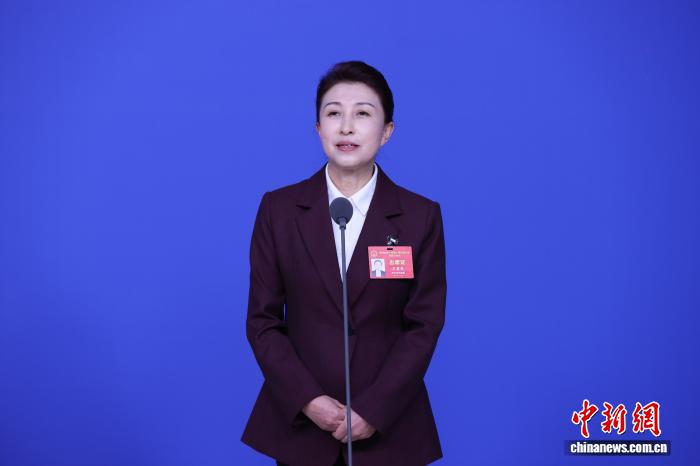
Group 1: High-Quality Development and Industry Transformation - The Guizhou Provincial Political Consultative Conference emphasizes high-quality development, improvement of people's livelihoods, and industrial transformation [1] - Zhang Xiaohui, a member of the Provincial Political Consultative Conference, highlights the transformation of ecological advantages into development benefits through the honey industry, achieving an annual honey production of over 100,000 kilograms and distributing 1.233 million yuan in dividends to local residents since 2019 [2][3] - Ding Lang, another member, discusses the role of youth in rural revitalization, noting that his e-commerce initiatives have generated over 50 million yuan in sales for local agricultural products and created over 50 local jobs [4][5] Group 2: Elderly Care and Social Services - Yang Deyu, the director of the Medical Security Bureau, advocates for high-quality elderly care services, noting a shift in public perception from passive acceptance to active choice in elderly care, with the elderly increasingly engaging in community activities [6][7] - The aging population in China is projected to exceed 300 million by the end of 2024, leading to a steady increase in occupancy rates in elderly care facilities [6] Group 3: Legal Rights and Community Support - Li Yan, chair of the Women's Federation of Lawyers, shares the success of the "Protecting the Seedling Action," which provided legal and psychological support to a vulnerable child, demonstrating the importance of legal aid in enhancing community welfare [8][9] - The initiative has led to over 2,000 legal service events aimed at promoting legal awareness and protecting the rights of women and children [9] Group 4: Healthcare and Medical Resources - Gao Hong, a professor at Guizhou Medical University, emphasizes the importance of establishing regional medical centers to improve healthcare access and quality, citing a successful high-risk surgery performed locally [10] - The establishment of these centers is seen as a means to bring top medical resources to Guizhou, enhancing patient care and reducing the need for long-distance travel for treatment [10] Group 5: Education and Cultural Development - Liu Xuewen, founder of the Ye Xin Good Flower Red Academy, discusses the impact of rural education initiatives on children's development, highlighting the importance of cultural exposure and community engagement [11][12] - The academy has organized over 200 cultural activities, fostering a love for reading and knowledge among local children, and has been recognized as one of the "Most Beautiful Rural Libraries" in the country [11][12]
国家区域医疗中心让百姓在家门口享受顶尖医疗服务
Zhong Guo Xin Wen Wang· 2026-01-27 07:21
Core Viewpoint - The establishment of national regional medical centers aims to bring top-tier medical resources closer to the public, enhancing convenience and peace of mind for patients [1]. Group 1: Medical Center Development - The Zhejiang Provincial People's Hospital's Bijie Hospital has been officially approved as a national regional medical center project, allowing more local residents to access high-quality medical services nearby [1]. - The construction of the medical center is part of a broader initiative to leverage regional and sectoral support for healthcare improvements in Bijie City [1]. Group 2: Technological Advancements - The hospital has introduced 258 new technologies and projects over three years, including the establishment of the first 5G remote robotic surgery center in Guizhou Province, successfully performing the first 5G ultra-remote robotic surgery in Southwest China [3]. - The ability to treat previously untreatable conditions and perform minimally invasive surgeries has significantly improved the hospital's technical capabilities [3]. Group 3: Talent Development - The hospital has focused on both attracting external experts and cultivating local talent, creating a robust medical team that is capable of independent operations [3]. - A "blood-making" training approach has been implemented, allowing young professionals to grow into competent medical staff [3]. Group 4: Service Improvement - Management and service at the hospital have become more patient-centered, optimizing processes to enhance the overall patient experience [4]. - Initiatives such as the medical team leader responsibility system and "one bed for the whole hospital" management have been introduced to improve resource allocation and operational efficiency [4]. - The hospital leadership actively seeks feedback from frontline staff to adapt services to patient needs, ensuring a more efficient and satisfying healthcare experience [4].
一家国家区域医疗中心的落子深意
Xin Lang Cai Jing· 2026-01-22 23:18
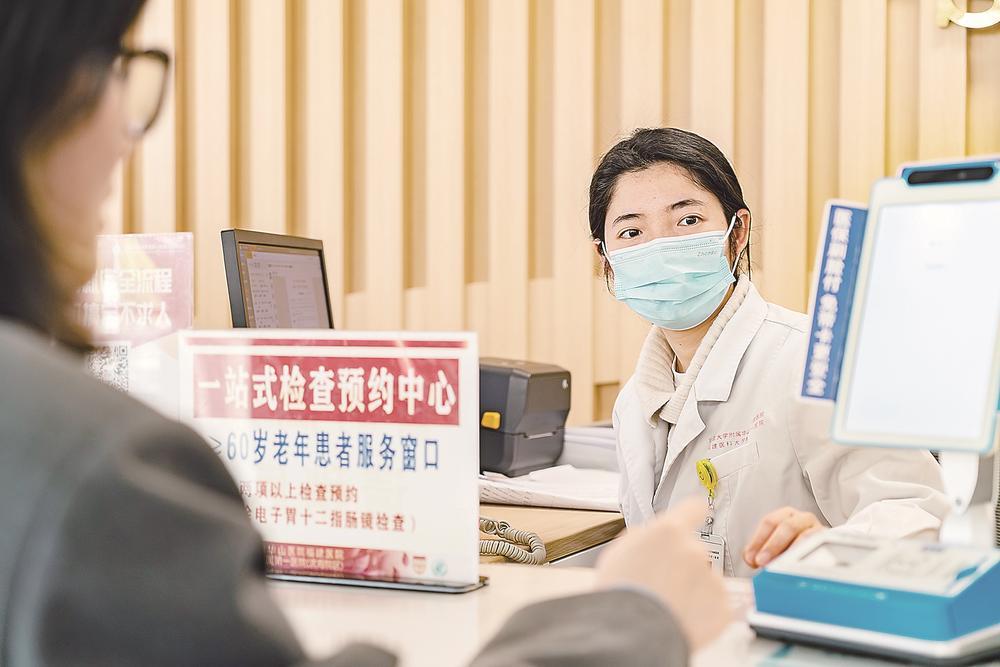
Core Viewpoint - The establishment of national regional medical centers in Fujian aims to reduce the burden on patients seeking medical care in major cities by providing high-quality medical services closer to home, significantly decreasing the number of patients needing to travel for treatment [8][9]. Group 1: National Regional Medical Center Development - Fujian has made significant progress in building national regional medical centers, with eight hospitals included in the initiative, ranking among the top in the country [8]. - The national regional medical centers have implemented measures such as expert support and standardized management, effectively addressing gaps in local healthcare for critical diseases [8][9]. - The collaboration between Fudan University Huashan Hospital and Fujian Medical University Affiliated First Hospital has resulted in the establishment of Huashan Affiliated First Hospital, recognized as one of the top ten pilot units for national regional medical centers [9][10]. Group 2: Patient Experiences and Treatment Outcomes - Patients like Chen Ping and Wang Xia have benefited from advanced treatments at Huashan Affiliated First Hospital, which previously required travel to major cities for care [10][14]. - The hospital has successfully performed complex surgeries and implemented innovative treatment plans, leading to significant improvements in patient health outcomes [12][16]. - The hospital's approach has resulted in a substantial increase in outpatient visits and inpatient admissions, with over 160,000 outpatient visits and 130,000 inpatient admissions recorded [17]. Group 3: Resource Integration and Innovation - The integration of resources between Huashan Hospital and Huashan Affiliated First Hospital has led to the establishment of specialized departments and enhanced clinical capabilities [21][22]. - The hospital has introduced innovative services such as "no card face recognition" for medical visits, improving patient experience and accessibility [22]. - The clinical pharmacology research center at Huashan Affiliated First Hospital has successfully conducted over 20 clinical trials, marking a significant advancement in the region's clinical research capabilities [24][26]. Group 4: Future Development and Strategic Goals - The hospital aims to continue expanding its clinical research and innovation efforts, focusing on high-end medical technologies and treatments [24][27]. - Plans are in place to enhance the hospital's capabilities in neurotechnology and other advanced medical fields, positioning it as a leader in regional healthcare [27][28]. - The strategic vision includes fostering collaboration between academic research and practical healthcare applications to drive regional medical advancements [28].
中国中医科学院西苑医院苏州医院正式启用
Su Zhou Ri Bao· 2025-12-21 22:47
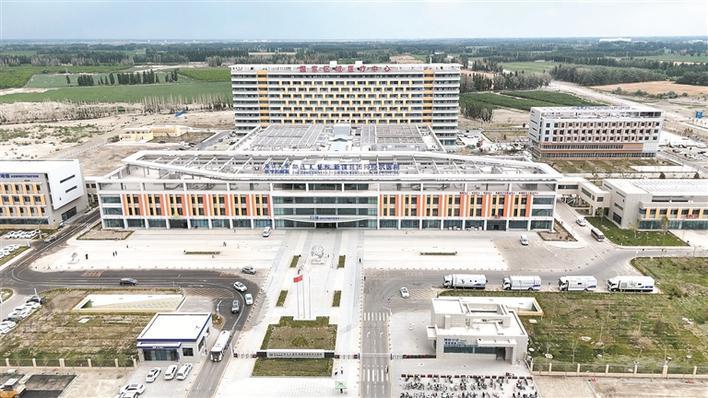
Core Viewpoint - The official opening of the Xiyuan Hospital Suzhou marks a significant step in integrating traditional Chinese medicine into national regional development strategies, aiming to enhance healthcare services in the Yangtze River Delta region [1][2]. Group 1: Hospital Overview - Xiyuan Hospital Suzhou is a collaborative project between the Suzhou government and Xiyuan Hospital, serving as a tertiary public traditional Chinese medicine hospital and the first national regional medical center approved in Suzhou [1]. - The hospital is located in Wuzhong District, with a planned capacity of 1,000 beds, and will operate under a management model that emphasizes integrated development and specialized services [1]. Group 2: Strategic Goals - The hospital aims to establish a multidisciplinary collaborative diagnosis and treatment center focused on cardiovascular diseases, leveraging Xiyuan Hospital's management model and core technologies [1]. - The Chinese Academy of Traditional Chinese Medicine intends to use Suzhou as a strategic hub to create a new highland for the development of traditional Chinese medicine, serving both the Yangtze River Delta and the entire country [1]. Group 3: Leadership Statements - Officials emphasized the importance of high-quality development and the need to implement specialized technologies and services to make Xiyuan Hospital Suzhou a model project for national regional medical center construction [2]. - The hospital's leadership expressed commitment to innovation, management empowerment, and achieving service standardization and brand differentiation [2]. Group 4: Research and Development - The establishment of the Suzhou branch of the National Clinical Research Center for Traditional Chinese Medicine in Cardiovascular Diseases was announced, along with the awarding of several "Qihuang Scholars" workstations [3].
国家区域医疗中心建设,成效几何?
Xin Lang Cai Jing· 2025-12-21 19:39
Core Viewpoint - The establishment of the Zhejiang University School of Medicine Affiliated Shao Yifu Hospital Xinjiang Production and Construction Corps Aral Hospital as the first national regional medical center in the Corps aims to enhance healthcare services in southern Xinjiang, addressing diverse medical needs of local workers and communities [10][11]. Group 1: Medical Center Functions and Services - The national regional medical center integrates functions such as medical care, education, research, health care, rehabilitation, and emergency services, focusing on minimally invasive techniques, critical care for respiratory diseases, oncology, and emergency medical rescue [10]. - The hospital utilizes the "Internet + Medical" model to enhance service delivery, allowing patients to access quality healthcare with reduced travel [4][5]. Group 2: Collaboration and Resource Sharing - The hospital collaborates with Zhejiang University to leverage high-quality medical resources, enhancing training and talent development for the national regional medical center [7][19]. - A three-tiered medical service network has been established, integrating the national regional medical center, branch hospitals, and grassroots health facilities to improve healthcare accessibility [13]. Group 3: Technological Integration and Innovation - The hospital employs advanced technologies such as 5G, big data, and artificial intelligence to create a remote medical network, expanding its reach and improving collaborative efficiency [13]. - The introduction of medical drones for specimen transport exemplifies the hospital's commitment to smart healthcare and emergency response systems [9]. Group 4: Performance Metrics and Growth - Since its establishment, the hospital has seen significant increases in outpatient visits, inpatient admissions, and surgical procedures, with outpatient volume growing by 28.39% and surgical volume by 32.69% year-on-year [14]. - The hospital has implemented 181 new projects and filled 19 technical gaps since its opening, demonstrating its role as a regional medical leader [14]. Group 5: Talent Development and Training - The hospital has established a support mechanism involving resident experts and rotating specialists to enhance local medical staff capabilities, focusing on long-term talent cultivation [16][17]. - A total of 93 clinical experts have been dispatched to the hospital, contributing to the development of key medical disciplines and improving overall healthcare quality [17][18].
上海儿童医院临沂医院20余项技术填补市内儿科领域空白
Qi Lu Wan Bao· 2025-12-18 11:02
Core Insights - The Shanghai Children's Hospital has established a significant presence in Linyi, with 21 experts stationed there for over six months, providing high-level medical services to local residents [1] - The hospital has successfully implemented over 70 new techniques and projects in pediatric care since October 2023, particularly in challenging areas such as pediatric cardiovascular, neurosurgery, and oncology [1][2] Group 1: Medical Achievements - The hospital has achieved notable breakthroughs in difficult cases, including the successful treatment of a 24-week premature infant, setting a new record for Linyi [2] - A pioneering surgery for congenital heart disease combined with airway stenosis was performed, supported by a public welfare fund to alleviate the financial burden on families [2] - Advanced treatment techniques, such as selective sacral nerve root sectioning, have been successfully implemented in Linyi, improving the motor function of children with spastic cerebral palsy [2] Group 2: Regional Impact - The establishment of a pediatric specialty alliance has enhanced the medical capabilities of 34 local and 4 external medical institutions, facilitating better patient care and timely consultations [3] - The hospital has attracted patients from over 20 provinces, with 58,380 outpatient visits from outside Linyi recorded from January to November this year [3] - Community outreach efforts, including large-scale free medical consultations, have served over 2,000 residents, demonstrating the hospital's commitment to improving local healthcare access [3]
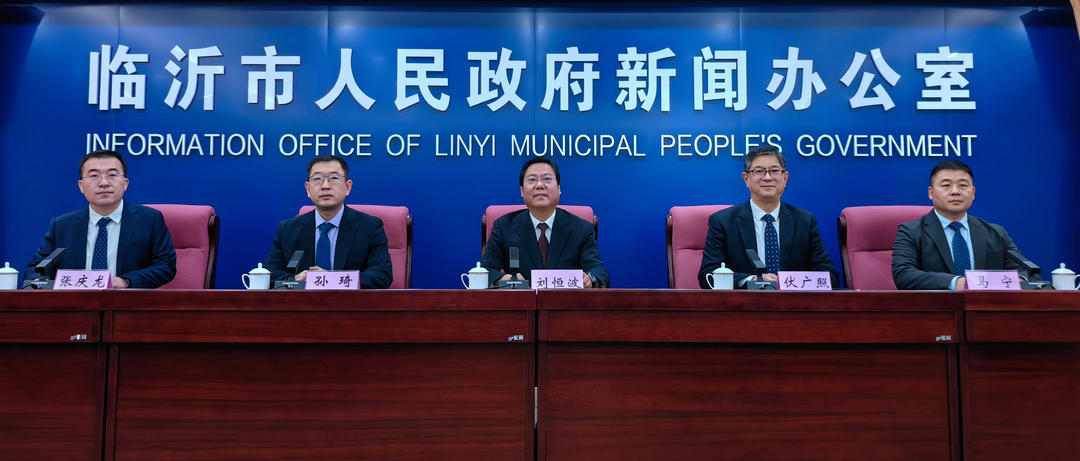
上海儿童医学中心临沂医院打造鲁南苏北儿科诊疗高地
Qi Lu Wan Bao· 2025-12-18 11:02
Core Insights - The Shanghai Children's Medical Center in Linyi is set to officially operate in June 2024, establishing six major treatment centers for pediatric cardiovascular, hematology-oncology, rare diseases, surgery, neurological disorders, and critical care, aiming to provide high-quality medical services for children aged 0-18 [1][2] - The establishment of national regional medical centers is a significant decision by the government, aimed at expanding high-quality medical resources and enabling local access to top-tier medical services without the need to travel to major cities like Beijing and Shanghai [1] - The Linyi hospital is the only pediatric project among the nine national regional medical centers in the province, with a total investment of 1.885 billion yuan and a planned capacity of 1,000 beds [1] Government Support and Implementation - The Linyi municipal government has prioritized the project, implementing 22 supportive policies across various sectors including staffing, insurance, talent, and finance to facilitate the integration of Shanghai Children's Medical Center's expertise into the region [2] - The center has dispatched 21 resident experts and over 600 visiting experts to Linyi, introducing more than 70 new technologies and projects, significantly enhancing the local capacity for treating complex pediatric cases [2] - Notable advancements have been made in pediatric cardiovascular, neurosurgery, and oncology, with a reported 19% decrease in the transfer rate of critical cases to other provinces, indicating improved local treatment capabilities [2]
从“病有所医”到“病有良医”:京保医疗协同让更多人共享优质资源
Xin Hua She· 2025-10-16 08:46
Core Viewpoint - The collaboration between Beijing and Baoding in healthcare is enhancing access to high-quality medical resources, transitioning from "having medical care" to "having good doctors" for the local population [1][2]. Group 1: Medical Resource Integration - The China Academy of Chinese Medical Sciences Guang'anmen Hospital Baoding Hospital was approved as a national regional medical center, facilitating high-speed rail commuting between Beijing and Baoding, allowing over 130 experts to provide services in Baoding [2][3]. - The initiative aims to improve local medical skills and management, enabling patients in Baoding to receive high-level medical services [2][4]. Group 2: Improvement in Medical Services - The overall diagnostic and treatment levels at Baoding Hospital have significantly improved, with a reported 80.09% increase in outpatient and emergency service volume from January to August 2025 compared to the same period in 2022 [3]. - The hospital has introduced 66 new technologies and projects, expanding its service radius and attracting patients from various provinces [3]. Group 3: Infrastructure Development - The new international medical base at Baoding Hospital, covering 260,000 square meters, includes various specialized departments and 1,100 beds, integrating modern medical facilities with traditional Chinese medicine elements [3]. - The establishment of 20 medical alliances between local hospitals and high-level hospitals in Beijing and Tianjin has enhanced local healthcare capabilities, with 442,000 patients treated and 23,000 surgeries guided by dispatched experts [4].