土地政策

Search documents
越南楼市失控了
首席商业评论· 2025-12-30 04:57
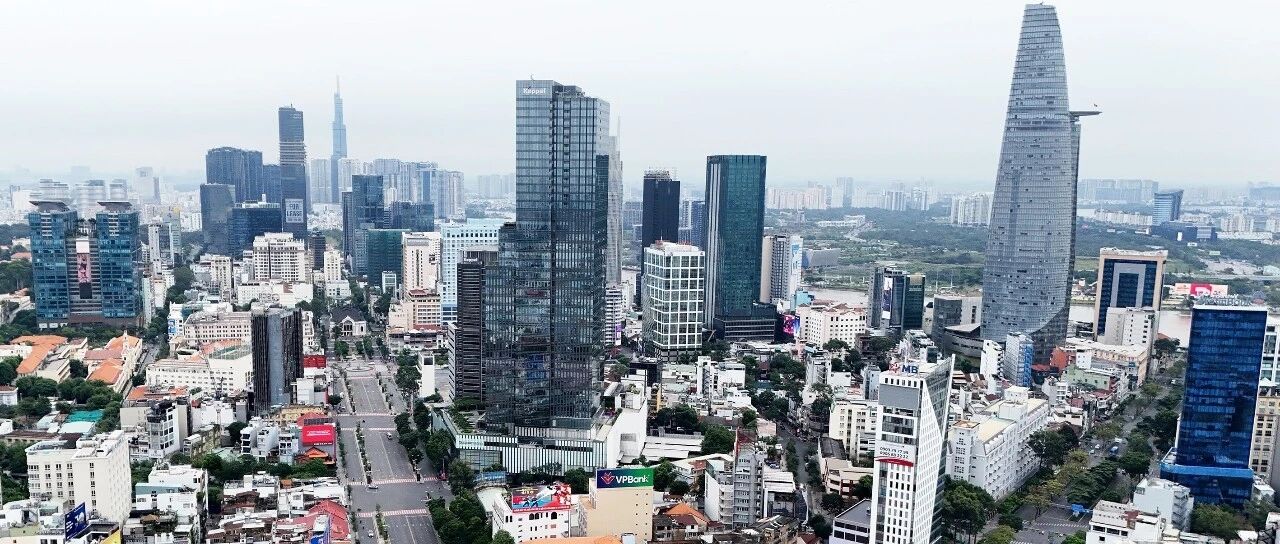
Core Viewpoint - Vietnam's real estate market is experiencing a significant price surge, driven by excessive liquidity and restrictive land policies, leading to a disconnect between housing prices and the average income of its citizens [5][13][20]. Group 1: Economic Context - The State Bank of Vietnam (SBV) has drastically reduced the benchmark interest rate from 15% in 2008 to 4.5% by 2025, aiming to stimulate economic growth through monetary easing [5][7]. - Despite global liquidity tightening, Vietnam's credit growth target remains at 15%-16%, with M2 growth at 13.5%, significantly outpacing the actual GDP growth of 5.5% [7][10]. - The low-interest environment has distorted market funding flows, with excess liquidity flooding into the asset market instead of the manufacturing sector [7][10]. Group 2: Land Policy and Market Dynamics - The new Land Law effective in 2024 aims to marketize land pricing but has led to a tripling of land acquisition costs for developers, causing a speculative rush in land purchases [10][19]. - The government’s previous land pricing strategy resulted in a loss of revenue, with land-related income constituting only 12% of the fiscal budget in 2023, compared to the Southeast Asian average of 25% [10][20]. - The supply of new housing is critically low, with only 3.9 million apartments available in Hanoi for a population of 231 people per unit, and even more severe shortages in Ho Chi Minh City [10][11]. Group 3: Social Implications - The soaring property prices have exacerbated wealth inequality, with the top 10% of households owning 78% of real estate assets, while the bottom 50% hold only 2% [20][21]. - The price-to-income ratio for the 25-35 age group in Hanoi stands at 28:1, indicating a severe affordability crisis [20]. - The housing crisis has led to social unrest, with protests emerging in 2025, prompting the government to implement temporary purchase restrictions [23][24]. Group 4: Market Segmentation - The real estate market is increasingly catering to foreign professionals and high-income earners, with a dual market structure emerging where high-end properties dominate new developments [15][16]. - The demand for housing is driven by an influx of foreign engineers and local workers, creating a segmented market where luxury apartments are prioritized over affordable housing [15][19]. - The average rental yield for high-end apartments in Hanoi is supported by a significant proportion of foreign tenants, further inflating property prices [16][18].

香港特首李家超:保障市民基本住房需求是施政首要任务
Zhong Guo Xin Wen Wang· 2025-09-18 00:41
9月17日,香港特区行政长官李家超在特区立法会宣读2025年施政报告。他表示,经过本届特区政府3年 多的努力,2026/27年度起的未来五年,总体公营房屋建屋量(包括简约公屋)将达18.9万个单位,较上任 之初增加约八成,公屋综合轮候时间从6.1年缩短至5.1年。 土地政策方面,李家超表示,特区政府会持续造地并掌握土地供应主导权,通过精简审批程序、优化行 政流程,利用科技等辅助手段提效降本,保障市民的利益与需求。未来10年将准备好约2600公顷"熟 地"(指已完成规划、清拆及平整等程序,可随时动工发展的土地)。 李家超指出,保障市民基本住房需求是施政首要任务。目前公营房屋的总量正在有序增长,打击滥用公 屋的力度也在增强。3年前他宣布推出的3万个简约公屋单位,今年底前会有约1万个单位落成启用,另 外2万个将在未来一年半内全部落成。同时,取缔劣质"劏房"的"简朴房"规管制度正在特区立法会审 议,如草案获通过,明年3月将正式实施。 资讯编辑:周小燕 021-26096760 资讯监督:乐卫扬 021-26093827 资讯投诉:陈跃进 021-26093100 ...
一份布告见证为民初心
He Nan Ri Bao· 2025-08-25 23:30
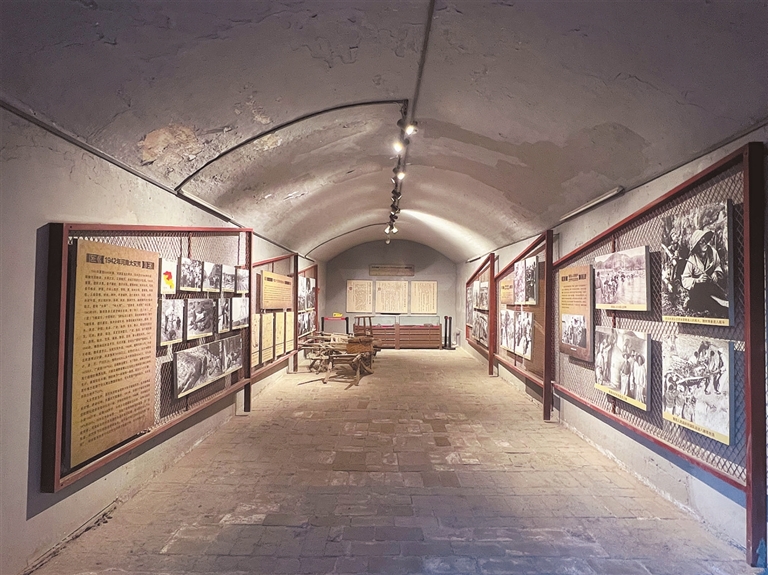
豫西抗日根据地纪念馆内展示的印刷版"布告"。 受访者供图 更是为贫苦农民撑起了腰杆。 走进位于巩义市新中镇的豫西抗日根据地纪念馆,二楼展厅一侧悬挂着的一张泛黄的"布告",无声诉说着中 国共产党人如何以土地政策守护群众、凝聚力量的抗战往事。 "这张布告,是中国共产党在豫西大地上为挣扎在生死线上的百姓撑起的腰杆,更是中国共产党坚守为民初心 的见证。"8月22日,巩义市委党史和地方史志研究室一级主任科员何永红指着这份1944年由嵩山区专员公署 颁布的《土地转移办法》,道出一段尘封80余年的故事。 时光倒流至1942年,彼时的河南赤地千里,人民久受战乱、灾荒之苦。地处豫西的巩县同样深陷灾难之中, 苦难的农民为一口活命粮,只得贱卖田产房屋。其中,涉村农民丁华龙用五亩地仅换得一斗玉米。 1943年,国民党巩县政府为了体现"仁政",作出了允许贫苦农民原价买赎灾荒时期典售的田产房屋的规定。 但由于没有具体保障措施,更重要的是触动了地主阶级的根本利益,遭到地主富人的抵制,这一规定成了一 纸空文。 转折出现在1944年秋。八路军豫西抗日独立支队挺进豫西,开辟敌后抗日根据地,在巩县建立了嵩山区专员 公署,统管嵩山地区的行政工作,并 ...