地缘战略博弈

Search documents
戴瑛、张明月:北极治理困境应如何突围
Xin Lang Cai Jing· 2026-02-06 23:03
Core Viewpoint - The European Union requires a new Arctic policy as geopolitical tensions increase in the Arctic region, with NATO initiating military planning, indicating a shift from a relatively closed geopolitical space to one influenced by major power competition [1] Group 1: Current Challenges in Arctic Governance - The Arctic Council's principle of consensus is failing due to US-Russia tensions, leading to decision-making deadlock and ineffective collective action [2] - The imbalance of rights for observer countries exacerbates governance challenges, weakening the Council's inclusivity and complicating global Arctic governance [2] - The protection of indigenous rights is becoming increasingly superficial, as the Council lacks effective enforcement mechanisms, rendering protective measures largely symbolic [2] - Geopolitical competition is overshadowing climate governance, preventing the Council from addressing global challenges effectively and transforming it into a platform for power struggles [2] Group 2: Recommendations for Improvement - Strengthening political will to adhere to international law is essential for establishing a legal foundation for Arctic governance, with frameworks like the UN Charter and the Law of the Sea serving as baseline guidelines [3] - Reforming the Arctic Council's governance mechanism is crucial for enhancing its effectiveness, including adjusting the consensus principle and expanding the participation rights of observer countries [3] - Promoting practical cooperation and dialogue among nations is fundamental to alleviating competitive tensions, as evidenced by initiatives like China and Europe exploring renewable energy cooperation in Greenland [3] - Redefining security and development perspectives is necessary for sustainable Arctic governance, emphasizing the importance of addressing non-traditional threats like climate change [3] Group 3: Future Implications for Arctic Development - The strategic choices of Arctic nations and the reform of governance mechanisms will determine whether the region becomes a site of conflict or collaboration, impacting global interests [4] - Upholding multilateralism and respecting international law and indigenous rights are vital for constructing an inclusive Arctic governance system that benefits humanity [4] - The traditional wisdom of indigenous peoples serves as a guiding principle for addressing current governance challenges, emphasizing the relationship between humanity and the land [4]
特朗普撕毁中美协议?对华关税再加25%!伊朗引爆中美贸易战?
Sou Hu Cai Jing· 2026-01-14 05:13
Core Viewpoint - Trump's announcement of a 25% tariff on countries doing business with Iran is seen as a strategic move targeting China and Russia, amidst a backdrop of recent tensions in U.S.-Iran relations [3][5][9]. Group 1: Tariff Announcement and Implications - On January 12, 2026, Trump declared a 25% tariff on any country engaging in commercial activities with Iran, stating that this decision is final and unchangeable [3]. - The trade volume between China and Iran reached $7.49 billion from January to September 2025, with China exporting $5.02 billion and importing $2.47 billion, indicating a significant economic partnership despite U.S. sanctions [4]. - Trump's move is perceived as an attempt to pressure countries like China and Russia, which have substantial trade relations with Iran, to choose between maintaining their trade with Iran or facing additional tariffs [9]. Group 2: Economic and Strategic Consequences - The imposition of a 25% tariff could severely impact China's trade dynamics, as current tariffs on Chinese goods are already high, with rates at 47.49% from the U.S. and 31.88% from China [13]. - If the tariff is enacted, it could push the total U.S. tariff on Chinese goods close to 75%, significantly undermining China's export competitiveness [13]. - The potential loss of Iranian oil, which is sold to China at prices below international rates, poses a risk to China's energy security, especially as it has already lost access to low-cost oil from Venezuela [15]. Group 3: Geopolitical Context - Trump's actions are not only economically motivated but also strategically aimed at disrupting China's Belt and Road Initiative, as Iran is a critical node in this strategy [15]. - The U.S. is prepared to consider military options against Iran if the situation escalates, indicating a willingness to exert pressure beyond economic sanctions [15]. - The current geopolitical landscape suggests that Trump's tariffs could reignite the U.S.-China trade war, leading to a new phase of confrontation [15].

俄为何宁愿亏上百亿也要卖石油给中国,普京很清楚:这生意很划算
Sou Hu Cai Jing· 2025-12-19 06:53
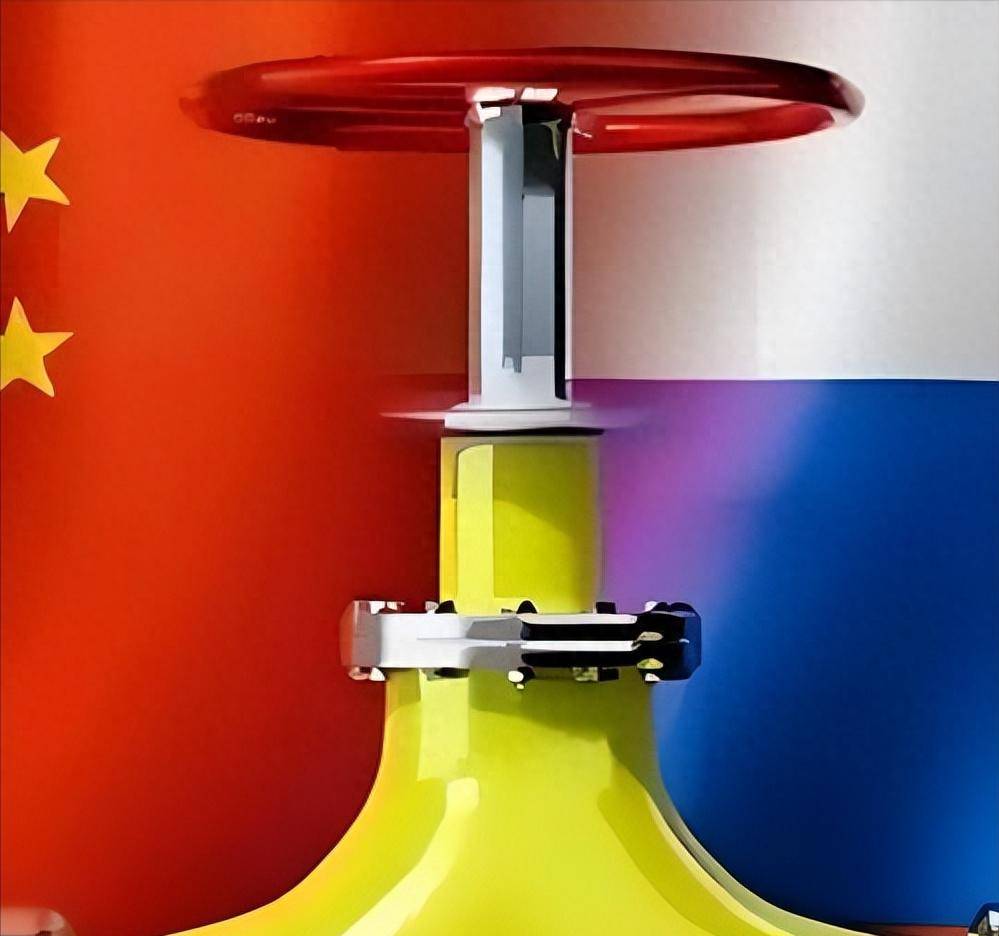
Core Insights - In 2025, Russia opted to supply oil and gas to China at significant discounts in response to increased Western sanctions, indicating a strategic pivot rather than merely an economic concession [1] - This shift allowed Russia to maintain energy exports and find a reliable geopolitical ally in China, while China benefited from stable, low-cost energy resources [1] Group 1: Oil Supply Dynamics - By October 2025, U.S. financial isolation of two major Russian oil companies severely restricted international settlement channels, leading to a drop in Russian crude oil prices to approximately $59 per barrel, significantly below Brent benchmark prices [3] - India's oil purchases from Russia decreased from 1.8 million barrels per day to 1.1 million barrels due to high tariffs, while China continued to purchase Russian ESPO crude at $7 to $8 below market prices [3][5] - The discount mechanism for Russian oil expanded by an additional 10% in 2025, reflecting adjustments made to ensure cash flow [5] Group 2: Natural Gas Supply Adjustments - Russia reduced natural gas prices to China by 30% to 40%, with prices at $7 to $8 per million British thermal units, significantly lower than the Asian market price of $11 [7] - The value of each gas shipment dropped from $44 million to between $28 million and $32 million, with over 20 vessels delivered, ensuring China remained a stable buyer [7] - The annual gas supply through the Power of Siberia pipeline stabilized at 38 billion cubic meters, with a new agreement signed in September 2025 to supply an additional 50 billion cubic meters annually at approximately $247 per thousand cubic meters, nearly 30% lower than European market prices [7] Group 3: Economic and Strategic Implications - By November 2025, Russia's total fossil fuel export revenue fell to $11 billion, a decrease of $3.6 billion from peak levels, with China accounting for 44% of this revenue [9] - The shift to using the Chinese yuan for settlements and reliance on third-party fleets for transportation, despite a 20% increase in shipping costs, helped maintain export momentum [9] - The active participation of Chinese private enterprises in receiving Russian energy has led to a diversification of Russia's export model, with annual transaction volumes increasing by 10% [11] Group 4: Long-term Energy Cooperation - In 2025, China imported over 100 million tons of crude oil and 38 billion cubic meters of natural gas from Russia, driving bilateral trade growth despite adverse conditions [13] - The construction of the Far East gas route is expected to significantly enhance supply to China's northeastern industrial regions, with an investment exceeding $10 billion [13] - Russian exports to China increased by 28%, reflecting both quantity and quality improvements, as private refineries in China expanded their processing capacity from 50,000 barrels to 420,000 barrels per day [15] Group 5: Geopolitical Context - The EU's permanent ban on Russian gas accelerated the shift towards China, enhancing China's energy security and reducing reliance on Middle Eastern energy by lowering import costs by 10% [16] - Despite challenges from sanctions, Russia successfully navigated restrictions through Chinese channels, maintaining stable energy exports and contributing to global market stability [16] - Russia's willingness to incur short-term losses in favor of long-term strategic partnerships with China underscores the importance of economic resilience in the face of increasing Western sanctions [16][18]