北极治理

Search documents
戴瑛、张明月:北极治理困境应如何突围
Xin Lang Cai Jing· 2026-02-06 23:03
Core Viewpoint - The European Union requires a new Arctic policy as geopolitical tensions increase in the Arctic region, with NATO initiating military planning, indicating a shift from a relatively closed geopolitical space to one influenced by major power competition [1] Group 1: Current Challenges in Arctic Governance - The Arctic Council's principle of consensus is failing due to US-Russia tensions, leading to decision-making deadlock and ineffective collective action [2] - The imbalance of rights for observer countries exacerbates governance challenges, weakening the Council's inclusivity and complicating global Arctic governance [2] - The protection of indigenous rights is becoming increasingly superficial, as the Council lacks effective enforcement mechanisms, rendering protective measures largely symbolic [2] - Geopolitical competition is overshadowing climate governance, preventing the Council from addressing global challenges effectively and transforming it into a platform for power struggles [2] Group 2: Recommendations for Improvement - Strengthening political will to adhere to international law is essential for establishing a legal foundation for Arctic governance, with frameworks like the UN Charter and the Law of the Sea serving as baseline guidelines [3] - Reforming the Arctic Council's governance mechanism is crucial for enhancing its effectiveness, including adjusting the consensus principle and expanding the participation rights of observer countries [3] - Promoting practical cooperation and dialogue among nations is fundamental to alleviating competitive tensions, as evidenced by initiatives like China and Europe exploring renewable energy cooperation in Greenland [3] - Redefining security and development perspectives is necessary for sustainable Arctic governance, emphasizing the importance of addressing non-traditional threats like climate change [3] Group 3: Future Implications for Arctic Development - The strategic choices of Arctic nations and the reform of governance mechanisms will determine whether the region becomes a site of conflict or collaboration, impacting global interests [4] - Upholding multilateralism and respecting international law and indigenous rights are vital for constructing an inclusive Arctic governance system that benefits humanity [4] - The traditional wisdom of indigenous peoples serves as a guiding principle for addressing current governance challenges, emphasizing the relationship between humanity and the land [4]
《北极蓝皮书:北极地区发展报告(2024-2025)》发布
Zhong Guo Zi Ran Zi Yuan Bao· 2026-01-29 02:35
Core Insights - The Arctic Blue Book: Arctic Development Report (2024-2025) was released, focusing on key issues and developments in Arctic governance and security [1] - The report is edited by Professor Liu Huirong from Ocean University of China and includes contributions from interdisciplinary research teams, emphasizing both academic depth and policy relevance [1] - China is recognized as a significant stakeholder in Arctic affairs, actively contributing to Arctic governance [1] Group 1 - The Blue Book continues the tradition of annual reports, analyzing major events and hot topics in the Arctic from 2024 to 2025, covering governance progress and challenges [1] - The report is divided into three main themes: Arctic Governance, Arctic Security Dynamics, and Arctic Cooperative Development, comprising a total of 10 articles [1] - A seminar titled "Arctic Governance in a Changing World" featured experts from various institutions discussing the latest trends and issues in Arctic governance [1] Group 2 - Since 2014, the Arctic Blue Book has been published annually for eleven consecutive years, showcasing the commitment of the Arctic governance team at Ocean University of China [2] - The Blue Book serves as a unique brand in Arctic affairs research within China, gaining significant influence both domestically and internationally, and has been cited by major media and institutions [2]
《北极蓝皮书:北极地区发展报告(2024~2025)》在山东青岛发布
Xin Lang Cai Jing· 2026-01-26 10:47
Core Viewpoint - The "Blue Book" on Arctic Development (2024-2025) was released, highlighting significant events and issues in the Arctic region, focusing on governance, security dynamics, and cooperative development [1] Group 1: Arctic Governance - The report provides a comprehensive analysis of the progress and challenges in Arctic public domain governance from 2024 to 2025 [1] - It includes three main themes: Arctic governance, security dynamics, and cooperative development, comprising a total of 10 articles [1] Group 2: Contributions and Perspectives - The Blue Book aims to enhance polar scientific research and public awareness of polar issues, contributing significantly to the field [1] - It serves as a platform for discussions and exchanges to better understand new trends in Arctic governance and to explore new perspectives and methodologies [1] Group 3: Institutional Significance - The Blue Book is a key publication from the Polar Research Center of Ocean University of China, establishing itself as a brand in Arctic affairs research within the Chinese academic community [1] - It reflects the commitment and achievements of the Polar Research Center in the field of Arctic governance research [1]
美媒:加对华合作是务实,而非短视
Xin Lang Cai Jing· 2026-01-23 22:58
Core Viewpoint - The article argues that Canada's diplomatic engagement with China is a strategic move for diversification rather than a short-sighted provocation against the U.S. [1][2] Group 1: Strategic Diversification - Canada's approach to deepen cooperation with China is a calculated strategy to mitigate risks associated with U.S. protectionism and unilateralism [2][4] - The shift towards China is not an emotional reaction to U.S. policies but a rational decision based on national interests [2][4] Group 2: Economic Benefits - Canada has reduced tariffs on Chinese electric vehicles to 6.1%, benefiting consumers and promoting green energy transition [3] - The reduction of tariffs on Canadian canola to 15% by China provides significant advantages to Canadian farmers, offering a buffer against market volatility [3] Group 3: Arctic Sovereignty and Cooperation - Discussions on Arctic sovereignty with China are framed as a necessary collaboration to address climate change and resource management, rather than a betrayal of NATO [4] - Canada’s willingness to engage with China in Arctic governance reflects a recognition that global challenges require inclusive dialogue rather than military alliances [4] Group 4: Changing Global Dynamics - The article highlights a shift away from a unipolar world dominated by a single superpower, emphasizing the need for middle powers like Canada to collaborate [5] - Canada's recent actions are portrayed as a bold step towards establishing itself as a resilient core in the global economy, rather than a subordinate to Washington [5]
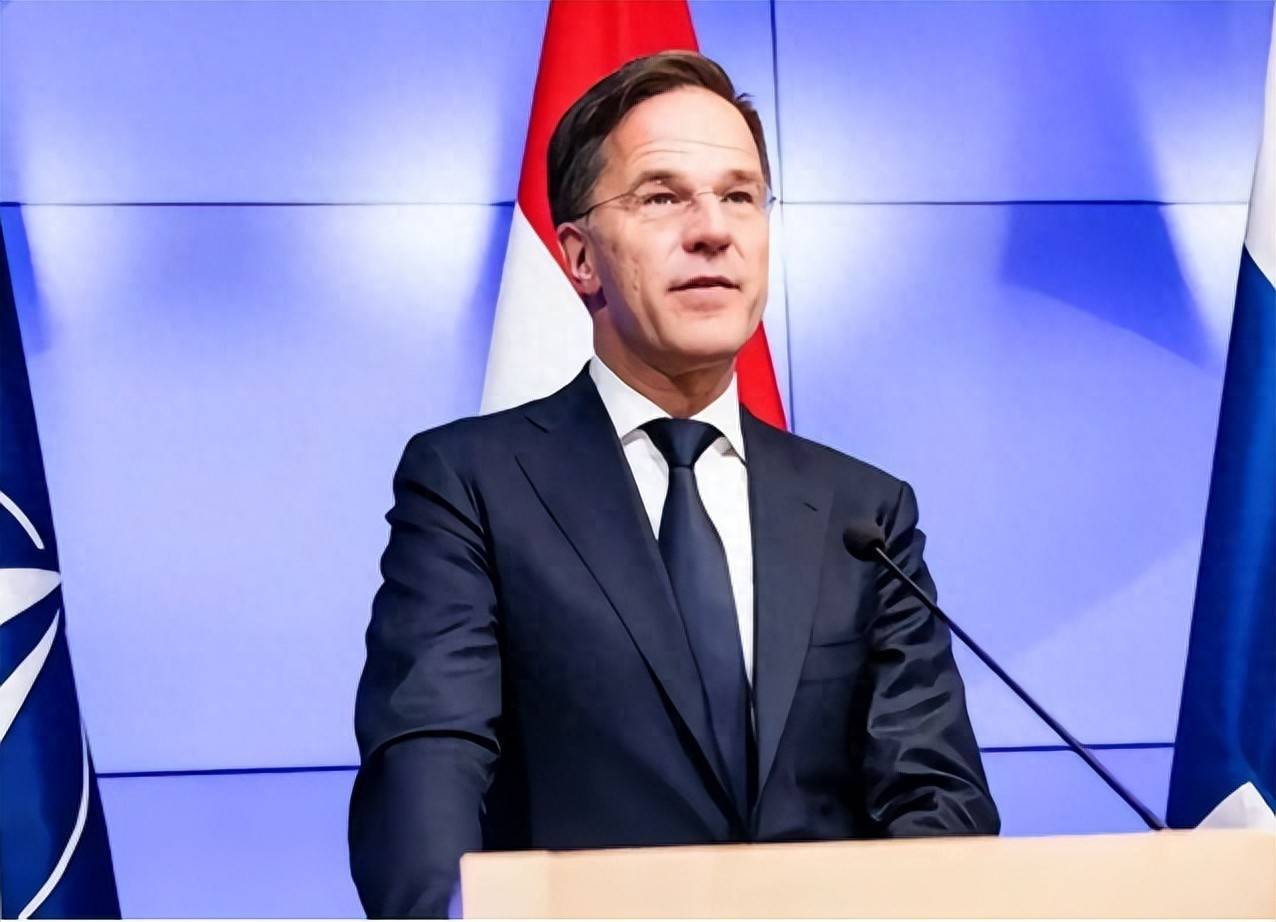
G7达成一致,减少进口中国稀土,北约秘书长:中国也算是北极国家
Sou Hu Cai Jing· 2026-01-17 10:35
Group 1: G7's Strategy on Rare Earths - The G7 finance ministers have reached a consensus to accelerate the reduction of dependence on Chinese rare earths, driven by concerns over China's control of the global rare earth supply chain and its implications for high-end manufacturing [1][3][4] - Rare earths are critical resources, often referred to as "industrial vitamins," essential for industries such as electric vehicles, wind energy, aerospace, and defense [3][4] - China currently dominates the rare earth market, controlling 60% of global production and holding 58% of global patents, with extraction costs significantly lower than those in the U.S. [4][6] Group 2: Challenges in Decoupling from China - Despite significant investments from the U.S. and Germany to achieve "decoupling" from China, progress has been slow, with companies like MPMaterials and Volkswagen facing delays and technical challenges [6][8] - The cost of establishing an independent rare earth supply chain is prohibitively high, with recycling costs exceeding direct imports from China by 230% [8][10] - Many countries, including India and Vietnam, are reluctant to abandon cooperation with China, recognizing its role as both a major supplier and consumer in the rare earth market [8][10] Group 3: China's Role in Global Supply Chains - China's commitment to maintaining the stability of global critical mineral supply chains was emphasized by a Chinese foreign ministry spokesperson, warning against the potential consequences of disrupting these chains [10][20] - The G7's approach to rare earths appears to be more of a political maneuver rather than a viable solution, as the existing global supply chain is heavily reliant on China's dominance [10][18] Group 4: Arctic Governance and China's Involvement - NATO Secretary General Jens Stoltenberg's statement regarding China as a "near-Arctic state" reflects the geopolitical complexities and the desire of European nations to balance U.S. dominance in Arctic affairs [12][16] - The Arctic is becoming increasingly important due to climate change, with new trade routes and resource opportunities emerging, prompting nations to seek a more collaborative governance approach [14][16] - China's involvement in Arctic affairs, through research and commercial cooperation, positions it as a significant player in the region, which may help to shift governance from a Western-dominated model to a more multipolar one [16][20]