
地震预测

Search documents
从“日本末日大地震”传言看预测之难
Huan Qiu Shi Bao· 2025-07-06 22:50
Group 1 - The prediction of a devastating earthquake in Japan on July 5 did not materialize, alleviating concerns for the Japanese government and citizens [1][2] - The rumor originated from a manga artist's book published in 1999, which included various "prophetic dreams," one of which coincidentally matched the timing of the 2011 earthquake [1][2] - The Japanese Meteorological Agency and scientists emphasized that predicting earthquakes accurately is currently impossible due to the lack of scientific evidence supporting such claims [3][6] Group 2 - Japan is located in a seismically active region, experiencing approximately 1,500 earthquakes annually, with significant earthquakes accounting for about 20% of global occurrences [4][5] - The potential economic loss from a major earthquake in the Nankai Trough could exceed 292 trillion yen, with a possible death toll of 298,000 people [5] - Experts warn of the risk of a major earthquake in the Nankai Trough occurring within the next decade, which could also trigger volcanic activity in Mount Fuji [5][6] Group 3 - Current scientific capabilities allow for only seconds of warning before an earthquake, and precise predictions regarding the date and location remain unsolved challenges [6][7] - The complexity of earthquake prediction involves multiple scientific disciplines, and the understanding of earthquake mechanisms is still in its early stages [7][8] - The probability of an 8.0 magnitude earthquake occurring in the Nankai Trough within the next 30 years is estimated at 82%, reflecting an increase from previous assessments [8]
“末日地震”谣言搅动日本,今夏酷暑飓风考验接踵而至
第一财经· 2025-07-06 10:36
Core Viewpoint - The article discusses the impact of a false rumor about a catastrophic earthquake in Japan, which originated from a 1999 manga, and its subsequent effects on tourism and the economy [1][2]. Group 1: Rumor and Its Effects - A rumor about a devastating earthquake in Japan on July 5, 2025, gained traction on social media, leading to significant public concern [1]. - The rumor resulted in a decline in tourism interest from various Asian countries, with an estimated economic loss of 560 billion yen (approximately 25.87 billion yuan) for Japan [2]. Group 2: Official Responses - Japanese government and meteorological agencies quickly debunked the earthquake prediction, emphasizing that earthquakes cannot be accurately predicted [3]. - The Japan Meteorological Agency confirmed that the minor earthquake that occurred on July 5 was unrelated to the rumor, stating that the region has experienced frequent seismic activity due to volcanic activity [4]. Group 3: Seismic Activity Context - The area near the Tokara Islands has recorded at least 1,329 small earthquakes from June 21 to July 5, with historical data indicating such activity occurs every 3-5 years [5]. - The Japan Meteorological Agency reported a 4.8 magnitude earthquake on July 6, with no tsunami risk associated [5]. Group 4: Broader Natural Disaster Context - Japan faces ongoing risks from various natural disasters, including typhoons and extreme weather, exacerbated by climate change [7]. - The country recently experienced its hottest June on record, with an average temperature 2.34 degrees Celsius above the baseline, and is expected to face prolonged heat this summer [7].

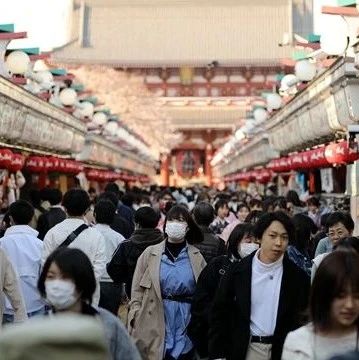
“末日地震”谣言搅动日本,今夏酷暑飓风考验接踵而至
Di Yi Cai Jing· 2025-07-06 09:20
Core Viewpoint - A rumor about a catastrophic earthquake in Japan on July 5, 2025, caused significant public concern and impacted tourism, despite no such event occurring [1][3] Group 1: Rumor and Its Impact - The rumor originated from a manga published in 1999, predicting a devastating earthquake, leading to over 250,000 people watching live earthquake reports [1] - The economic loss due to the rumor is estimated at 560 billion yen (approximately 25.87 billion RMB) due to decreased tourism interest [1] Group 2: Official Responses - The Japan Meteorological Agency (JMA) held a press conference to clarify that the earthquake prediction was unfounded and emphasized the unpredictability of earthquakes [3][4] - Official statements from JMA and other institutions highlighted that the recent seismic activity in the Kagoshima area is unrelated to the rumors and is part of normal volcanic activity [3][4] Group 3: Seismic Activity and Predictions - Between June 21 and July 5, there were at least 1,329 small earthquakes in the Kagoshima region, with the largest being 5.5 magnitude [3] - JMA reported a 4.8 magnitude earthquake on July 6, with no tsunami risk, and reiterated that predicting earthquakes accurately remains a challenge [4][5] Group 4: Broader Natural Disaster Context - Japan faces ongoing threats from extreme weather events, including typhoons and heatwaves, exacerbated by climate change [5] - The government has assessed an 80% probability of an 8.0 magnitude earthquake occurring in the next 30 years, based on geological data [5] Group 5: Safety Measures - The Chinese Embassy in Japan advised citizens to be aware of natural disaster risks and to follow safety protocols during extreme weather [6]
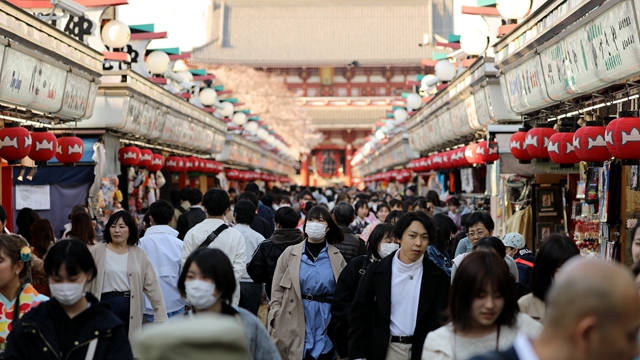
25万人凌晨4点蹲守直播等地震 预言时间点已过:没震
财联社· 2025-07-05 05:25
Core Viewpoint - The prediction of a "catastrophic earthquake" in Japan on July 5, 2025, has not materialized, leading to widespread public concern and media attention, despite official reassurances that such predictions lack scientific basis [1][5][11]. Group 1: Public Reaction and Media Coverage - A YouTube live stream of Japan's national earthquake alert attracted nearly 250,000 viewers, reflecting significant public interest in the earthquake prediction [2][4]. - Despite the absence of any major seismic activity, fear and panic spread among the public, leading to increased viewership of earthquake monitoring broadcasts [4][14]. Group 2: Official Responses and Scientific Clarifications - The Japan Meteorological Agency (JMA) held a press conference to clarify that the earthquake prediction was a rumor and emphasized the inability to predict earthquakes accurately [5][11]. - Experts, including Tokyo University professor Robert Geller, reiterated that predicting the exact time, location, and magnitude of earthquakes remains impossible with current scientific methods [11][13]. Group 3: Economic and Social Impact - The fear of an impending earthquake has led to significant disruptions in the tourism industry, with some travel agencies reporting cancellation rates as high as 80% for trips to Japan [14]. - Panic buying occurred in supermarkets, with sales of emergency supplies surging by 300%, indicating heightened public anxiety [14][17]. Group 4: Preparedness and Awareness - The situation has prompted discussions on disaster preparedness, with the Japan Disaster Prevention Association's "3·7·30 principle" gaining attention, highlighting the need for better disaster readiness among the public [17]. - The incident serves as a reminder of the importance of scientific understanding and rational disaster preparedness over succumbing to rumors [17].
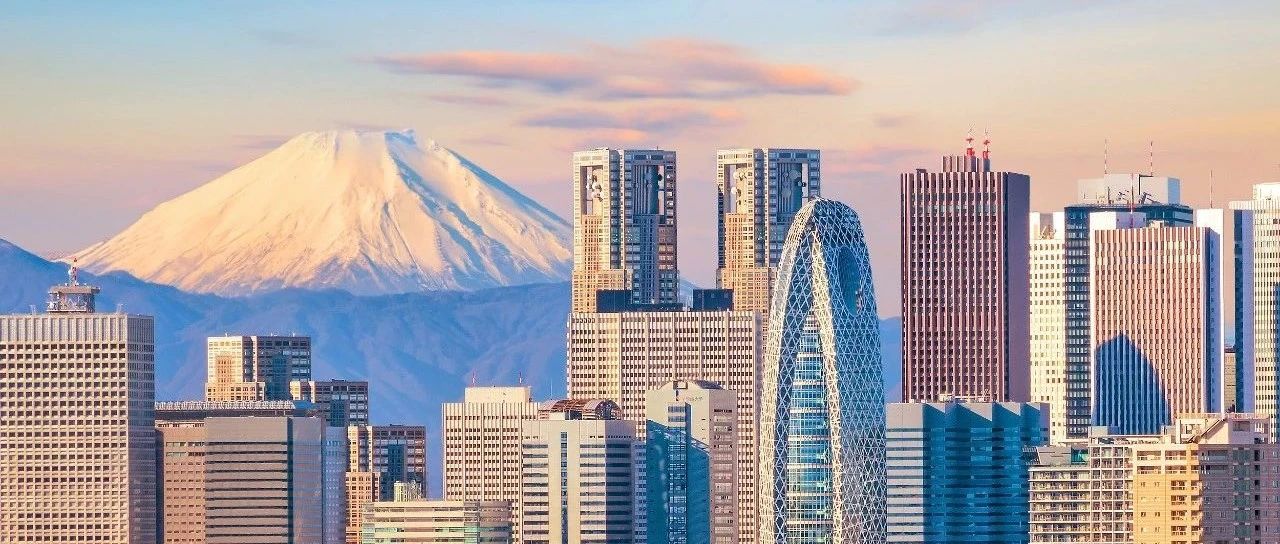
25万人凌晨4点蹲守直播等地震,预言时间点已过:没震
第一财经· 2025-07-05 05:22
Core Viewpoint - The article discusses the widespread panic and misinformation surrounding a predicted "catastrophic earthquake" in Japan on July 5, 2025, which has not occurred, emphasizing the importance of scientific understanding and disaster preparedness over belief in rumors [1][4][18]. Summary by Sections Earthquake Prediction and Public Reaction - As of July 5, 2025, no significant earthquake occurred in Japan, with only minor seismic activity reported near the Kagoshima area [1][3]. - A YouTube live stream of Japan's emergency earthquake report attracted nearly 250,000 viewers, reflecting public anxiety about the predicted earthquake [2][3]. Origin of the Rumor - The prediction originated from a manga by Ryosuke Ryu published in 1999, which described a dream about a catastrophic event on July 5, 2025, leading to its interpretation as a "prophecy" due to its vague reference to the 2011 disaster [6][7]. - Ryosuke Ryu clarified in a new book that the date was merely a record of a dream and not an actual prediction of disaster [7]. Official Denials and Scientific Consensus - The Japan Meteorological Agency (JMA) has repeatedly stated that the prediction lacks scientific basis, emphasizing that precise earthquake prediction is currently impossible [9][11]. - Experts, including a retired professor from the University of Tokyo, reiterated that predicting the exact time, location, and magnitude of earthquakes remains beyond current scientific capabilities [11]. Impact on Society and Economy - Despite official denials, panic spread, leading to significant disruptions in tourism, with some travel agencies reporting cancellation rates as high as 80% for trips to Japan [12][13]. - Supermarkets experienced a surge in demand for emergency supplies, with sales of disaster kits increasing by 300%, and unusual crowds at airports were reported [14][15]. Preparedness and Awareness - The article highlights the need for enhanced disaster preparedness, noting that the JMA's earthquake warning system can only provide alerts seconds after an earthquake occurs [16][18]. - The "3·7·30 principle" advocated by Japan's disaster prevention association gained attention, with a 45% increase in sales of emergency kits, indicating a growing awareness of the need for disaster readiness [16][18].
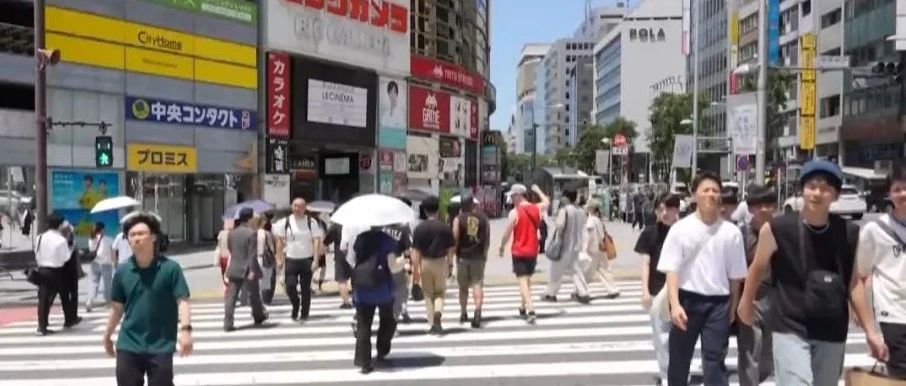
今日有毁灭性大地震?日本政府紧急辟谣
证券时报· 2025-07-05 02:57
Core Viewpoint - A false rumor about a catastrophic earthquake in Japan on July 5 has circulated widely on social media, leading to cancellations of travel plans by foreign tourists and impacting Japan's tourism industry. The Japanese government and experts have refuted this claim, emphasizing its lack of scientific basis [2][4][8]. Impact on Tourism Industry - The rumor has caused a significant decline in foreign tourist arrivals, prompting some airlines to reduce flights to Japan due to decreased demand [4]. - The Japanese tourism sector is facing challenges as travelers reconsider their plans in light of the unfounded predictions [3][4]. Government and Expert Responses - The Japanese government and experts, including the Japan Meteorological Agency, have publicly dismissed the earthquake prediction as a hoax, stating that current scientific capabilities do not allow for accurate earthquake predictions [8][11][12]. - Robert Geller, an honorary professor at the University of Tokyo, reiterated that there is no scientific evidence supporting the earthquake prediction and that predicting earthquakes is currently impossible [12][14]. Public Reactions - Some tourists, despite hearing the rumors, expressed skepticism and indicated that they would not change their travel plans based on unverified information [6][9]. - The Chinese Embassy in Japan has issued a reminder for citizens to be aware of natural disaster precautions, highlighting the importance of safety measures in light of recent seismic activity [15][16]. Seismic Activity and Weather Conditions - The Japan Meteorological Agency reported that from June 21 to July 2, there were 911 recorded earthquakes in the vicinity of the Tokara Islands, indicating ongoing seismic activity [17]. - Additionally, Japan is experiencing extreme weather conditions, with June 2023 recorded as the hottest June since 1898, and a typhoon is expected to impact the region [17].
日本今日有毁灭性大地震?日本政府回应
新浪财经· 2025-07-05 01:54
Core Viewpoint - A rumor about a catastrophic earthquake in Japan on July 5 has spread widely on social media, leading to cancellations of travel plans by foreign tourists and impacting Japan's tourism industry. The Japanese government and experts have refuted this rumor, stating it lacks scientific basis [1][3][10]. Impact on Tourism Industry - The rumor has caused a significant decline in foreign tourist arrivals, prompting some airlines to reduce flight frequencies to Japan due to decreased demand [3]. - Many tourists, particularly from the United States, have expressed concerns based on the rumor but some remain skeptical and choose to continue their travel plans [5][7]. Government and Expert Responses - The Japan Meteorological Agency has labeled the earthquake prediction as a scam, emphasizing that current scientific capabilities do not allow for accurate earthquake predictions regarding time, location, and magnitude [8][11][13]. - Experts, including a retired professor from the University of Tokyo, have stated that there is no scientific evidence supporting the earthquake prediction, reinforcing the idea that such predictions are not feasible with current technology [14][16]. Recent Seismic Activity and Weather Conditions - From June 21 to July 2, there were 911 recorded earthquakes in the vicinity of the Tokara Islands, indicating ongoing seismic activity in the region [18]. - Additionally, Japan experienced its hottest June on record, with an average temperature 2.34 degrees Celsius above the baseline, and is expected to face prolonged high temperatures throughout the summer [18]. Safety Reminders for Residents and Tourists - The Chinese Embassy in Japan has issued reminders for citizens and tourists to be aware of natural disaster risks, urging them to stay informed about seismic and weather alerts and to take necessary precautions [19].
【日本气象厅紧急辟谣末世预言】7月5日讯,近日,一则关于“日本7月5日将发生毁灭性大地震”的传言在社交平台疯狂传播,引发广泛关注。受此影响,有不少外国游客取消了赴日行程,日本的旅游业受到影响。日本政府和专家纷纷出来辟谣,强调这个传言没有科学根据。日本气象厅地震海啸监视科科长海老田绫贵表示,预测地震必须包含三个要素:地震发生的时间、地点以及何种规模。以现在的科学技术水平,还无法预测这三点。此类谣言传播纯属骗局。
news flash· 2025-07-04 16:23
Core Viewpoint - A false rumor about a catastrophic earthquake occurring in Japan on July 5 has circulated widely on social media, causing significant concern and leading to cancellations of travel plans by foreign tourists, thereby impacting Japan's tourism industry [1] Group 1: Impact on Tourism - The spread of the earthquake rumor has led to a notable number of foreign tourists canceling their trips to Japan, which poses a risk to the country's tourism sector [1] - The Japanese government and experts have responded to the rumor, emphasizing that it lacks scientific basis and is unfounded [1] Group 2: Scientific Clarification - The head of the Earthquake and Tsunami Monitoring Division at the Japan Meteorological Agency, Ayataka Ebitani, stated that predicting earthquakes requires three key elements: time, location, and magnitude, which current scientific technology cannot provide [1] - The agency has labeled the rumor as a scam, reinforcing the message that such predictions are not scientifically valid [1]
可视化模型为地震预警开辟新路径
Xin Hua She· 2025-06-18 07:38
Core Insights - Researchers from the University of Southern California have developed a visual model to track the evolution of micro-contact points on fault surfaces during seismic cycles, revealing the physical mechanisms behind the slow accumulation of tectonic stress and rapid earthquake rupture [1][2] - The study indicates that the actual contact area between rough surfaces, which is only a small fraction of the total surface area, is a key variable controlling seismic behavior [1] - The findings suggest that monitoring physical properties related to the real contact state of faults could become crucial for short-term earthquake warning systems [2] Group 1 - The research utilized transparent acrylic materials to visualize the real-time process of earthquake rupture in the laboratory [1] - High-speed cameras and optical measurements were employed to track changes in LED light transmission corresponding to variations in contact points during simulated earthquakes [1] - Approximately 30% of the contact area was observed to disappear within milliseconds during rapid rupture, contributing to the occurrence of earthquakes [1] Group 2 - The analysis of 26 different simulated earthquake scenarios demonstrated a correlation between rupture speed and the energy required for fracture, aligning with predictions from linear elastic fracture mechanics [2] - The computer simulations successfully replicated both slow and fast earthquake processes, showing high agreement with predicted outcomes across multiple dimensions, including rupture speed and stress drop [2] - The study reveals a long-hidden connection between empirical "state variables" used in standard earthquake models and the actual contact area between fault surfaces, providing a physical explanation for this critical mathematical variable [2]
防震减灾保安全,避险要点须牢记
Ren Min Ri Bao· 2025-05-12 22:21
Core Insights - Earthquakes pose a significant threat to human life and property, with China being one of the most earthquake-prone countries globally, experiencing 33% of the world's continental earthquakes on just 7% of its land area [1] Group 1: Earthquake Characteristics - Earthquakes occur millions of times annually worldwide, with China having a high concentration of seismic activity, affecting approximately 57% of the population and 51% of cities in high-risk areas [1] - The magnitude of an earthquake indicates the energy released, while intensity reflects the impact on the surface; shallow earthquakes (depth < 60 km) are more destructive than deeper ones [1] Group 2: Emergency Response - Alerts will be issued through various channels when an earthquake of magnitude greater than 4 or intensity greater than 5 is anticipated, advising the public to take cover [3] - In case of being trapped under debris, individuals should create a safe space using available materials and signal for help without wasting energy [4] Group 3: Preparedness Measures - Establishing good disaster preparedness habits is crucial, including identifying safety hazards at home, preparing emergency kits, and learning first aid skills [5] - The government plans to enhance earthquake disaster risk management by improving infrastructure resilience and preparing for extreme conditions [6]