防震减灾

Search documents
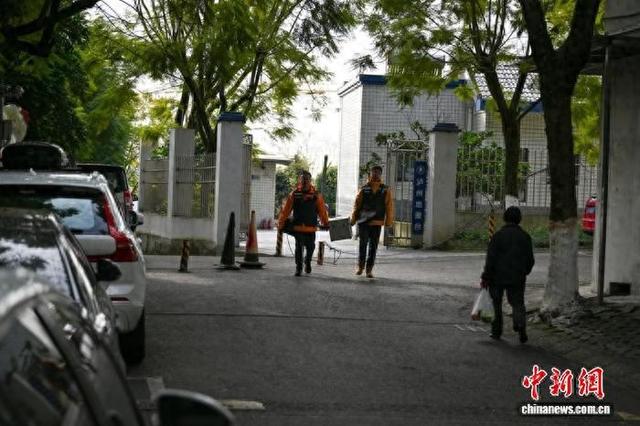
(新春走基层)探访川东南藏在都市与山野间的“震情哨兵”
Xin Lang Cai Jing· 2026-02-14 10:21
Core Viewpoint - The Sichuan Earthquake Administration's Zigong Earthquake Monitoring Center plays a crucial role in earthquake monitoring and disaster reduction in southeastern Sichuan, covering ten cities and employing various monitoring methods [1][3]. Group 1: Monitoring Infrastructure - The Zigong Earthquake Monitoring Center oversees a range of monitoring stations, including the Luzhou Earthquake Station, which is a key point for monitoring seismic activities in the Chengdu-Chongqing economic circle [3][5]. - The Luzhou Earthquake Station, established in 1965, has been upgraded to include capabilities for seismic measurement, deformation, and fluid monitoring, making it one of the highest-rated earthquake warning stations in the country [3][5]. - The center has a total of 625 earthquake monitoring stations, achieving second-level response times for earthquake warning information, which is critical for timely disaster response [7]. Group 2: Operational Responsibilities - The Zigong Earthquake Monitoring Center is responsible for not only the operation and maintenance of monitoring stations but also for conducting scientific research related to earthquake science, particularly in the five cities of southern Sichuan [5][7]. - The center has completed investigations of over 4,000 earthquake disaster risk points in the region and has collaborated with local disaster reduction departments to provide thousands of seismic analysis reports to support government decision-making [7].

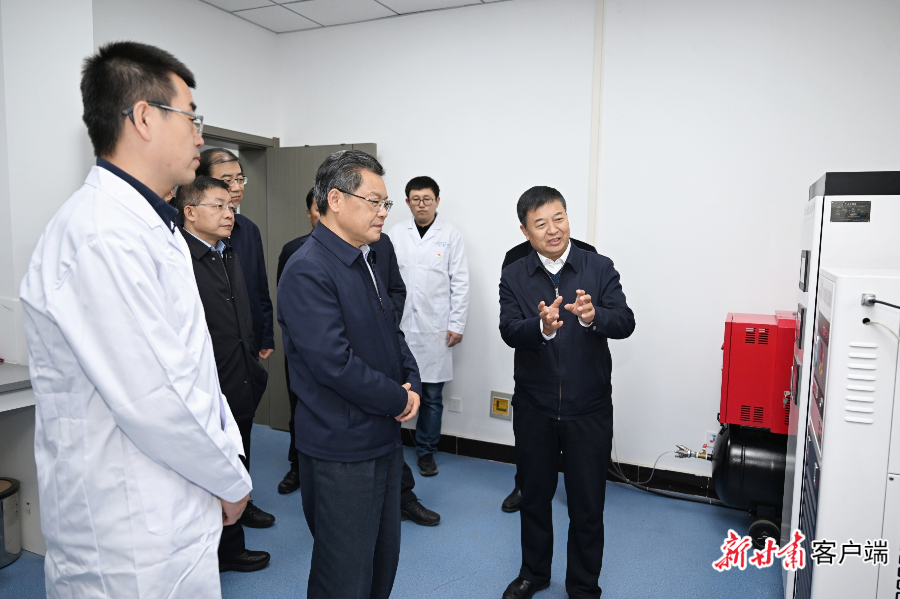
任振鹤在省地震局调研时强调 不断增强地震监测预警和安全保障能力 更好维护人民群众生命财产安全和社会大局稳定
Xin Lang Cai Jing· 2026-02-05 02:44
Core Viewpoint - The provincial government emphasizes the importance of enhancing earthquake disaster prevention and mitigation systems, focusing on a proactive approach to safeguard public safety and property [2][4][5]. Group 1: Strategic Emphasis - The government aims to fully understand and implement the strategic deployment from the 20th National Congress, particularly regarding disaster prevention and mitigation [2]. - There is a strong focus on prioritizing people's safety and life, leveraging technology, and fostering collaborative efforts to build a comprehensive and effective earthquake disaster prevention system [2][4]. Group 2: Operational Insights - The provincial leadership highlights the need for a scientific understanding of earthquake disaster patterns, advocating for a combination of prevention and response strategies [4]. - Emphasis is placed on strengthening monitoring, early warning systems, and ensuring that information reaches affected areas promptly [5]. Group 3: Development Goals - The government seeks to enhance the overall quality and coordination of earthquake disaster prevention efforts, focusing on early identification and warning of potential risks [5]. - There is a commitment to improving engineering defenses, public awareness, and emergency response capabilities to ensure effective disaster management [5]. Group 4: Long-term Measures - The government plans to implement engineering solutions, promote rural housing safety improvements, and establish earthquake insurance systems to enhance resilience against disasters [5].
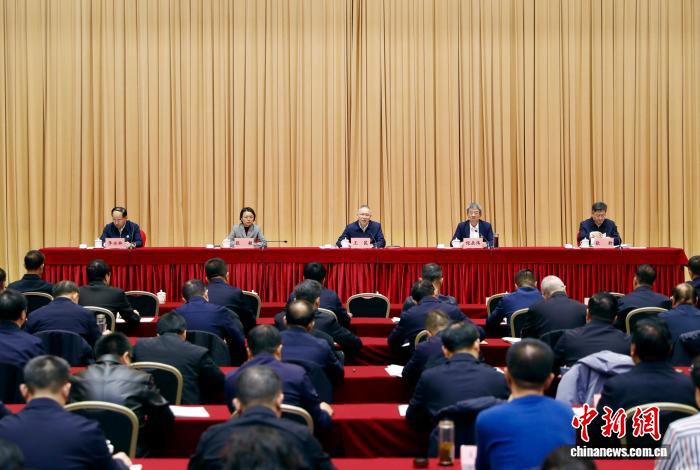
中国地震局:持续强化地震科技创新支撑
Xin Lang Cai Jing· 2026-01-10 14:21
Core Viewpoint - The 2026 National Earthquake Bureau Directors' Conference emphasizes the need for a transformation towards proactive disaster prevention, focusing on enhancing quality and efficiency in earthquake disaster reduction efforts, and integrating strategic planning with technological empowerment to support high-quality economic and social development [1][2] Group 1: Strategic Goals and Directions - The "14th Five-Year" period is identified as a critical time for establishing a foundation for socialist modernization and enhancing earthquake disaster reduction capabilities [1] - The conference calls for the formulation of specific goals for earthquake disaster reduction during the "14th Five-Year" period, emphasizing a combination of prevention, response, and comprehensive defense strategies [1][2] - The need to strengthen the overall leadership of the Party and prioritize people's safety and life is highlighted, along with a commitment to innovative and systematic approaches to disaster reduction [1][2] Group 2: Implementation and Capacity Building - The conference stresses the importance of high-quality planning and the publication of a national earthquake disaster reduction plan to guide local implementations [2] - There is a focus on improving capabilities for responding to major earthquakes and disasters, including enhancing monitoring and assessment of seismic activities [2] - The need to enhance public awareness and preparedness for earthquake safety through training and community engagement is emphasized [2] Group 3: Technological and Legal Framework - The integration of artificial intelligence and data governance into earthquake disaster reduction efforts is prioritized, with plans for developing AI applications and improving data management capabilities [2] - Strengthening legal frameworks and grassroots capacities for earthquake disaster reduction is essential, including the development of regulations and standards [2] - The conference calls for organized scientific research and innovation to support earthquake disaster reduction, alongside talent development and collaborative efforts [2]
1月9日新闻夜览
Sou Hu Cai Jing· 2026-01-10 09:47
Group 1 - The Consumer Price Index (CPI) in China increased by 0.2% month-on-month and 0.8% year-on-year in December, indicating the effectiveness of policies aimed at expanding domestic demand and promoting consumption [1] Group 2 - In 2025, the National Internet Information Office reported that it received 223 million cases of illegal and harmful information, a decrease of 1.7% year-on-year, reflecting efforts to improve the online ecosystem [4] Group 3 - The China Earthquake Administration plans to focus on earthquake prevention and disaster reduction planning, response measures, and enhancing early warning capabilities in 2026 [5] Group 4 - Recently approved low-concentration atropine eye drops are gaining attention for their role in slowing the progression of myopia in children, with parents increasingly interested in their use [6] Group 5 - The State Sports General Administration has issued a notice to strengthen safety regulations for outdoor sports, particularly following a tragic incident involving unauthorized trekking in the Qinling Mountains [7] Group 6 - The Harbin International Ice and Snow Economy Expo attracted around 300 well-known enterprises from over 20 countries, highlighting China's initiative to engage 300 million people in ice and snow sports and its impact on the manufacturing sector [7] Group 7 - U.S. President Trump stated intentions to "take control" of Venezuela's oil industry, indicating a significant geopolitical move that could affect global oil markets [9]

2026年全国地震局长会议在京举行
Xin Lang Cai Jing· 2026-01-09 13:36
Core Viewpoint - The 2026 National Earthquake Bureau Directors' Conference emphasizes the need for a shift towards proactive disaster prevention and management, focusing on enhancing quality and efficiency in earthquake disaster reduction efforts to support high-quality economic and social development [3][4]. Group 1: Strategic Goals and Directions - The "14th Five-Year" period is identified as a critical time for establishing a foundation for socialist modernization and advancing comprehensive efforts in earthquake disaster reduction [3]. - The conference calls for the formulation of specific goals for earthquake disaster reduction during the "14th Five-Year" period, emphasizing a combination of prevention, response, and comprehensive defense strategies unique to China [3][4]. Group 2: Implementation and Capacity Building - There is a strong emphasis on high-quality completion of planning and the publication of a national earthquake disaster reduction plan to guide local implementations [4]. - The need to enhance capabilities for responding to major earthquakes and disasters is highlighted, including improving monitoring, tracking, and ensuring the stability of seismic networks [4]. - The conference stresses the importance of increasing public awareness and preparedness for earthquake safety, involving community participation, and implementing training programs [4][5]. Group 3: Technological and Legal Framework - The integration of artificial intelligence and data governance into earthquake disaster reduction efforts is prioritized, with plans for developing AI applications and enhancing data management capabilities [4]. - Strengthening legal frameworks and grassroots capabilities in earthquake disaster reduction is emphasized, including the development of regulations and standards [5].
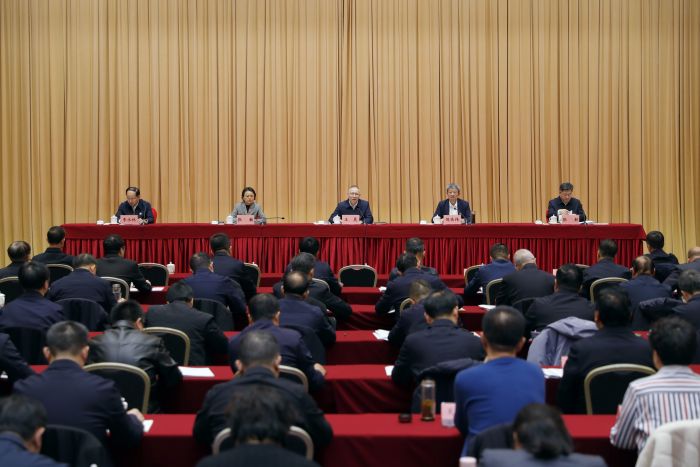
中国地震局:2026年将重点聚焦防震减灾规划编制等
Xin Hua She· 2026-01-09 04:30
Core Insights - The China Earthquake Administration will focus on earthquake disaster prevention and mitigation planning, response, and early warning capabilities in 2026 [1] - The "14th Five-Year" national disaster prevention and mitigation plan will be released in 2026, covering various aspects such as technological innovation, international cooperation, legal construction, talent development, and public disaster avoidance capabilities [1] Summary by Categories Disaster Prevention and Response - The earthquake emergency response plans at all levels will be revised, and a rapid assessment system for post-earthquake disaster situations will be established [1] - A cross-regional joint prevention and construction system will be improved, along with a system for summarizing and reviewing earthquake responses [1] Earthquake Safety Resilience - The focus will be on enhancing urban and rural earthquake resistance capabilities and improving the seismic resilience of major engineering projects [1] - An exploration of a full lifecycle seismic resilience assessment for major engineering projects will be conducted [1] Earthquake Early Warning System - By 2025, the earthquake early warning system is expected to have over 240 million users, with 300 warnings issued, serving over 18 million people [1] Seismic Safety Improvements - The program includes the renovation of 141,000 urban dilapidated houses and seismic upgrades for 75,000 rural households, indicating a continuous improvement in earthquake resistance capabilities [1]
2025年防震减灾工作成效明显
Ren Min Ri Bao· 2026-01-09 02:08
Core Viewpoint - By 2025, China's earthquake prevention and disaster reduction efforts are expected to show significant results, with enhanced monitoring and early warning capabilities [1] Group 1: Earthquake Monitoring and Early Warning - The earthquake monitoring and early warning capabilities have been continuously improved, with 300 earthquake warnings issued, benefiting over 18 million people [1] - The provincial earthquake monitoring network has achieved full coverage, and for the first time, city and county networks will be included in quality assessments by 2025 [1] - The data access rate for monitoring networks has increased to 97%, with 318 specialized monitoring networks under regulation [1] Group 2: Infrastructure and Operational Efficiency - Significant progress has been made in the construction of monitoring networks for marine and volcanic activities [1] - The operational rate of the earthquake early warning network has reached 99.4% due to the implementation of a three-year action plan for network safety [1]
2025年防震减灾工作成效明显 地震预警服务1800余万人次
Ren Min Ri Bao· 2026-01-08 22:51
Core Insights - The effectiveness of earthquake prevention and disaster reduction work in China is expected to be significantly improved by 2025 [1] Group 1: Earthquake Monitoring and Early Warning - The capability for earthquake monitoring, forecasting, and early warning is continuously enhancing, with 300 earthquake warnings issued and services provided to over 18 million people, contributing to disaster reduction in emergency situations such as high-speed rail operations and medical surgeries [1] - The provincial earthquake monitoring station network has achieved full coverage, and for the first time, city and county station networks will be included in business quality assessments by 2025, with data access rates reaching 97% [1] - A total of 318 industry-specific monitoring stations have been incorporated into regulatory oversight, and significant progress has been made in the construction of monitoring networks for marine and volcanic activities [1] Group 2: Operational Efficiency - The implementation of a three-year action plan for the safe operation of monitoring stations has resulted in an operational rate of 99.4% for the earthquake early warning network [1]
中国地震局:加快推进预警能力转化为减灾能力
Zhong Guo Xin Wen Wang· 2026-01-08 12:04
Core Viewpoint - The China Earthquake Administration emphasizes the acceleration of transforming early warning capabilities into disaster reduction capabilities as a key focus for 2026 [1]. Group 1: Early Warning System Development - Since the 14th Five-Year Plan, the Chinese earthquake system has established the world's largest early warning network, with over 240 million users and 300 warnings issued in 2025, serving over 18 million people [2]. - The 2026 work priorities include high-quality planning, effective response preparation for major earthquakes, enhancing public earthquake safety awareness, and implementing AI and data governance [2][3]. Group 2: Public Engagement and Service Optimization - The report highlights the need to improve public utilization of early warning information, enhance services in crowded places, and expand coverage to various emergency scenarios [2]. - Customized services for key industries will be optimized, with applications in traditional sectors like schools and high-speed rail, as well as new fields such as precision manufacturing and quantum information [2]. Group 3: Technological Innovation and Collaboration - Continuous development of technology and the establishment of innovative teams are essential, with a focus on collaborative innovation among industry, academia, and research [2]. - The report stresses the importance of expanding the testing range for pervasive earthquake warning technologies and extending monitoring capabilities [2]. Group 4: Disaster Preparedness and Response - The administration aims to enhance disaster preparedness by closely monitoring seismic activity, implementing a strict evaluation and reporting system, and ensuring the stability of monitoring networks [5]. - The report outlines the need for a comprehensive approach to disaster response, including the integration of new technologies and the establishment of a marine earthquake monitoring system [5]. Group 5: Strengthening Earthquake Resilience - Efforts will be made to improve earthquake safety resilience through better management of seismic design requirements and the establishment of risk assessment frameworks in key regions [6]. - The report mentions the importance of conducting lifecycle assessments for major engineering projects to enhance their earthquake resilience [6]. Group 6: Legal and Regulatory Framework - The administration plans to revise earthquake disaster prevention laws and develop regulations for earthquake warning management [7]. - Collaboration with key industry departments will be strengthened to ensure local responsibilities for earthquake disaster prevention are met [7]. Group 7: Achievements and Future Goals - In 2025, significant achievements included 226 emergency responses, international recognition for earthquake rescue efforts, and over 1,000 major engineering seismic safety requirements established [7]. - The report also highlights the construction progress of the China Earthquake Science Experimental Field and the establishment of the first international earthquake scientific research organization initiated by China [7].
台湾地区6.6级地震,台积电“安然无恙”
国芯网· 2025-12-29 11:12
Core Viewpoint - The article emphasizes the resilience of TSMC's operations in the face of a significant earthquake, highlighting the effectiveness of their extensive seismic safety measures and the minimal impact on global semiconductor supply chains [2][4][5]. Group 1: Earthquake Impact - A 6.6 magnitude earthquake struck near Yilan County, Taiwan, marking the strongest quake in the region in 27 years [1]. - TSMC reported that all its factories remained undamaged, preventing major fluctuations in global chip prices [2]. - The earthquake's effects were largely limited to minor damages across Taiwan, with TSMC's facilities experiencing only a level 4 tremor [4]. Group 2: TSMC's Safety Measures - TSMC has invested heavily in seismic safety, implementing advanced structural designs and emergency systems to mitigate earthquake risks [5]. - The company's clean rooms feature double-shell designs and are equipped with dampers and hydraulic pistons to isolate vibrations [5]. - TSMC's proactive measures include a dedicated earthquake early warning system, which has proven effective in past seismic events, allowing for rapid recovery of operations [5]. Group 3: Operational Resilience - Following the earthquake, TSMC quickly initiated evacuation and safety protocols, ensuring personnel safety while maintaining operational integrity [2][4]. - The company demonstrated its capability to restore 70% of equipment functionality within 10 hours during a previous earthquake, showcasing its robust recovery plans [5]. - TSMC's investments in disaster preparedness have significantly reduced potential economic losses, with past incidents resulting in manageable damages [5].