城市历史文化

Search documents
青平:马年玩旋转真马?文旅发展不能一味追求新奇刺激
Xin Lang Cai Jing· 2026-02-14 15:33
Core Viewpoint - The recent controversy surrounding the "rotating real horse" attraction at the Xi'an Shijingli Scenic Area highlights ethical concerns regarding animal treatment in tourism, reflecting a broader issue of prioritizing sensationalism over ethical considerations in the cultural tourism industry [1][2]. Group 1: Industry Concerns - The introduction of the "rotating real horse" project has sparked public outrage, with many netizens accusing the attraction of animal abuse [1]. - Similar attractions have faced backlash in the past, such as a 2018 incident in Chengdu, indicating a recurring issue within the industry [1]. - The focus on novelty and shock value in some cultural tourism projects undermines the true essence of cultural tourism, which should emphasize harmony with nature and deep cultural exploration [1]. Group 2: Regulatory Recommendations - There is a need for stricter regulation and oversight in the cultural tourism sector to address the trend of prioritizing traffic and profit over ethical considerations [2]. - Authorities are encouraged to implement regular inspections and establish a robust cultural evaluation system to discourage unethical practices [2]. - The industry should shift from a superficial approach to a deeper appreciation of historical and cultural significance, ensuring sustainable development in cultural tourism [2].
“一平方米博物馆”讲述静安寺商圈历史
Di Yi Cai Jing· 2025-10-13 12:06
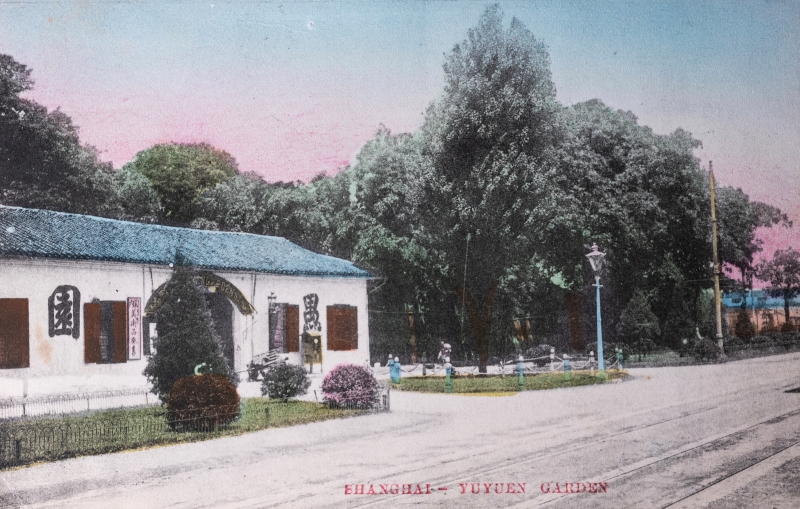
Core Insights - The article highlights the historical significance of the Jing'an Temple area in Shanghai, emphasizing its transformation from a cultural hub to a modern commercial center [1][4][8] - The initiative to create a "one-square-meter museum" aims to engage the public with the area's rich history through small exhibitions and cultural displays [8][9] Historical Context - The Jing'an Temple area has a long history, with the "愚园" (Yuyuan) garden established in 1890, which became a popular spot for Shanghai's elite [1] - The first stock transaction in post-reform China occurred at the original site of the Shanghai Trust Investment Company in 1986, marking a significant moment in the city's financial history [3] Cultural Exhibitions - An exhibition featuring historical items related to the Jing'an Temple area includes postcards, photographs, and packaging from local businesses, showcasing the evolution of the area [3][6][7] - The exhibition aims to tell the stories of the city's past, making it accessible to various audiences, including office workers, consumers, and tourists [4][8] Modernization and Urban Development - The article discusses the ongoing urban renewal in the Jing'an Temple area, highlighting the balance between modern commercial activities and historical preservation [4][6] - The transformation of the area includes the renovation of historical sites, such as the "国际静安会客厅" (International Jing'an Reception Hall), which reflects the blend of history and modernity [4] Community Engagement - The concept of micro-exhibitions in public spaces aims to enhance community engagement and cultural awareness among residents and visitors [8][9] - The initiative seeks to evoke emotional connections to the city's history, encouraging people to appreciate the changes while recognizing enduring elements of the past [9]