洗染业

Search documents
“一平方米博物馆”讲述静安寺商圈历史
Di Yi Cai Jing· 2025-10-13 12:06
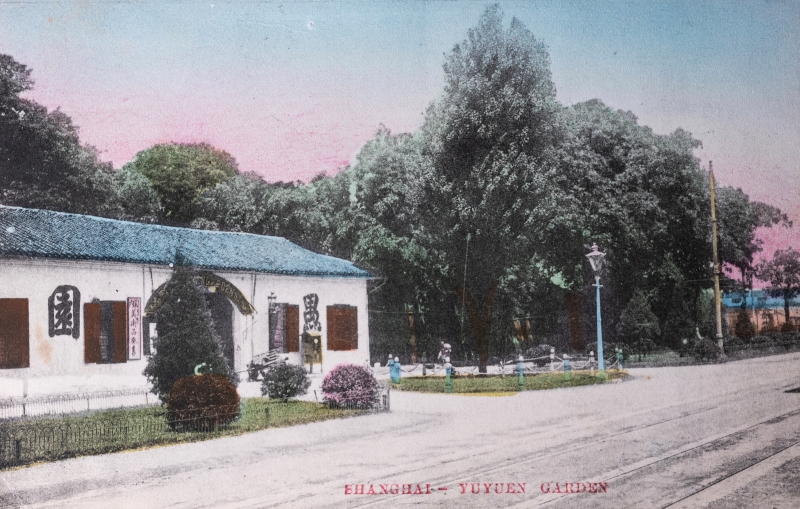
Core Insights - The article highlights the historical significance of the Jing'an Temple area in Shanghai, emphasizing its transformation from a cultural hub to a modern commercial center [1][4][8] - The initiative to create a "one-square-meter museum" aims to engage the public with the area's rich history through small exhibitions and cultural displays [8][9] Historical Context - The Jing'an Temple area has a long history, with the "愚园" (Yuyuan) garden established in 1890, which became a popular spot for Shanghai's elite [1] - The first stock transaction in post-reform China occurred at the original site of the Shanghai Trust Investment Company in 1986, marking a significant moment in the city's financial history [3] Cultural Exhibitions - An exhibition featuring historical items related to the Jing'an Temple area includes postcards, photographs, and packaging from local businesses, showcasing the evolution of the area [3][6][7] - The exhibition aims to tell the stories of the city's past, making it accessible to various audiences, including office workers, consumers, and tourists [4][8] Modernization and Urban Development - The article discusses the ongoing urban renewal in the Jing'an Temple area, highlighting the balance between modern commercial activities and historical preservation [4][6] - The transformation of the area includes the renovation of historical sites, such as the "国际静安会客厅" (International Jing'an Reception Hall), which reflects the blend of history and modernity [4] Community Engagement - The concept of micro-exhibitions in public spaces aims to enhance community engagement and cultural awareness among residents and visitors [8][9] - The initiative seeks to evoke emotional connections to the city's history, encouraging people to appreciate the changes while recognizing enduring elements of the past [9]

北京新地方标准:酒店医院床单毛巾洗涤将可追溯管理
Bei Jing Ri Bao Ke Hu Duan· 2025-10-10 02:14
Group 1 - The Beijing government has approved the release of 61 local standards, including the "Service Evaluation Standards for Laundry Enterprises," which emphasizes the need for visualized and traceable management of fabric washing in public textile washing companies [1] - The incident involving Atour Hotel using hospital pillowcases has raised public concern, leading to the establishment of specific regulatory requirements for public textiles used in accommodations and medical facilities [1] - The new standards require laundry enterprises to implement a traceable service process, including establishing a consumer safety monitoring system and maintaining video or documentation for key operational stages [1] Group 2 - In addition to laundry standards, Beijing has also introduced three new standards related to food safety, including the "Quality Management Standards for Food Production Enterprises," which outlines specific requirements for low-temperature pasteurized milk and roasted coffee supplier management [2] - The total number of effective local standards in Beijing has reached 2,374, covering various aspects of urban governance and public services [2]