
城市文明

Search documents
新春走基层|北京站的“微光”:3万步与19年坚守
Xin Lang Cai Jing· 2026-02-23 17:36
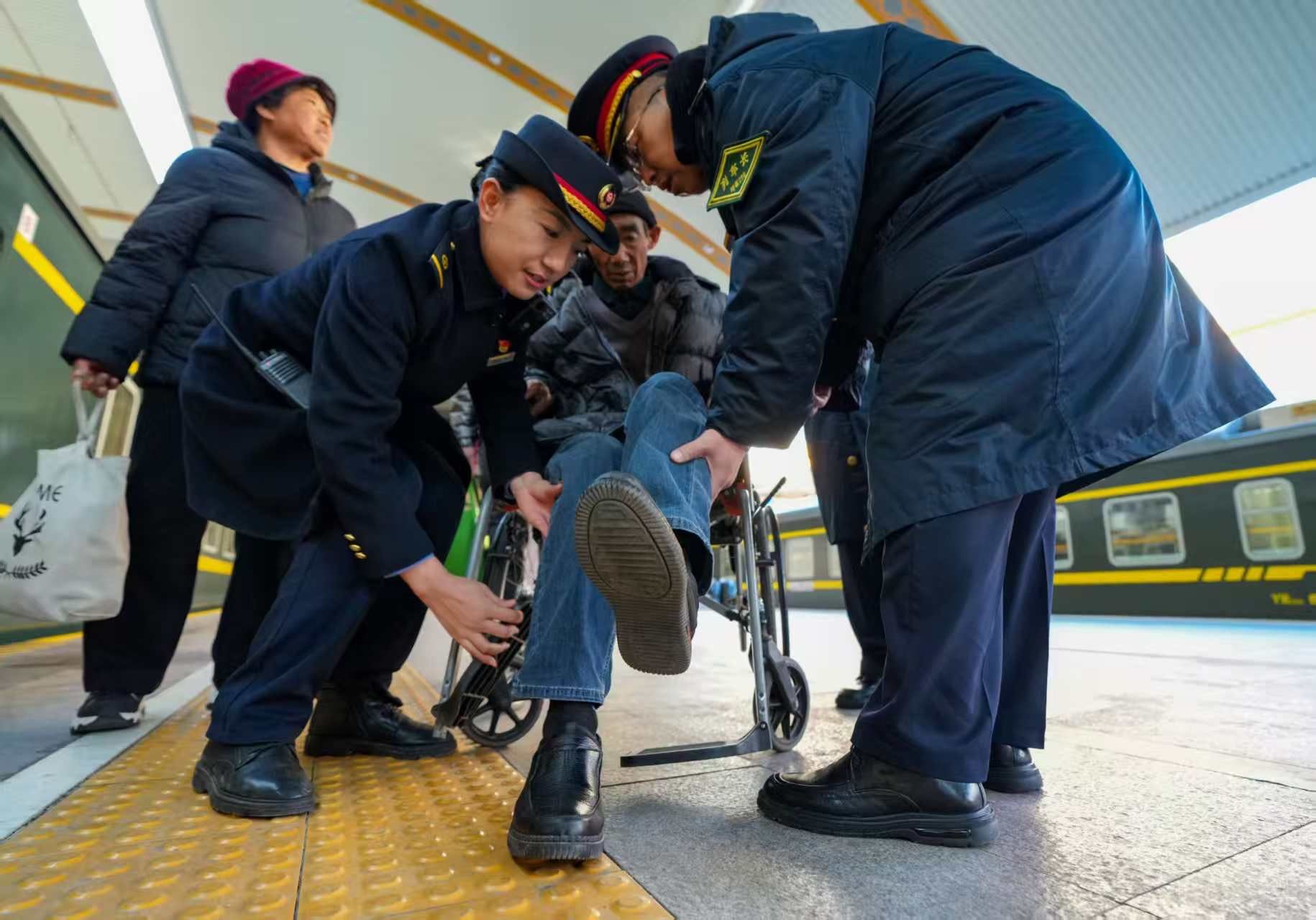
Core Viewpoint - The article highlights the compassionate efforts of volunteers and service personnel at Beijing Station during the Spring Festival, showcasing how ordinary individuals contribute to the warmth and civility of the city by assisting travelers in need [1][24]. Group 1: Volunteer Efforts - The "Micro Light Relay" at Beijing Station involves volunteers, old party members, and public service guides who provide assistance to travelers, making civility a tangible and participatory experience [1][24]. - Du Jinglin, a leader of the "Jing Tie Love" service team, emphasizes the importance of daily service, aiming for 30,000 steps to ensure adequate assistance to travelers [4][7]. - The team provided support to 235 travelers in one day during the Spring Festival, helping individuals with various needs, including the elderly and those with disabilities [4][6]. Group 2: Individual Stories - A notable incident involved a traveler who had left home with a large sum of cash, leading to a coordinated effort by the service team to reconnect him with his worried family [6][7]. - Ma Chengpeng, a volunteer with over 13,600 hours of service, has inspired his family to participate in volunteer work, demonstrating the impact of individual commitment on community involvement [8][12]. Group 3: Public Service Initiatives - Public civil guides, wearing distinctive lemon-yellow jackets, were deployed for the first time inside Beijing Station to assist travelers, enhancing the overall service experience [15][20]. - The East District's volunteer guiding team, consisting of retired individuals, has been active for 19 years, providing various services beyond just directions, such as offering water and charging facilities [21][22]. Group 4: Community Impact - The collective efforts of volunteers and service personnel at Beijing Station illustrate a model of community support that enhances the travel experience and fosters a sense of belonging among travelers [24][25]. - The article concludes that small acts of kindness contribute significantly to the overall civility and warmth of the city, making every individual a part of the "Micro Light Relay" [24][25].

一把扫帚擦亮沈城容颜
Xin Lang Cai Jing· 2026-02-11 21:49
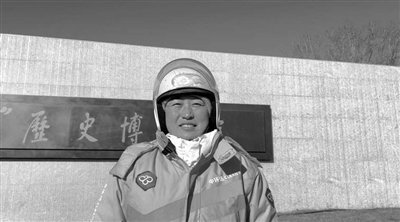
Core Viewpoint - The article highlights the dedication and hard work of sanitation workers in Shenyang, particularly focusing on Tao He, a team leader who exemplifies commitment to maintaining the city's cleanliness, especially during peak times like the Spring Festival and heavy snowfall [3][4][6]. Group 1: Role and Responsibilities - Tao He leads a sanitation team responsible for a challenging area in Shenyang, which includes busy streets and significant traffic routes [3][4]. - The team is tasked with ensuring cleanliness in high-traffic areas, especially during the Spring Festival when the city experiences increased foot and vehicle traffic [3][4]. Group 2: Personal Commitment and Work Ethic - Tao He has been in the sanitation industry for over ten years, progressing from a regular cleaner to a team leader, demonstrating a strong work ethic and commitment to her role [4][7]. - She emphasizes the importance of attention to detail, often going beyond the standard cleaning tasks to ensure that even overlooked areas are maintained [4][6]. Group 3: Community Impact - During last year's heavy snowfall on New Year's Eve, Tao He and her team worked tirelessly for five consecutive days to clear snow, ensuring safe passage for returning travelers [6][7]. - Their efforts not only contribute to the city's cleanliness but also enhance the overall experience for residents and visitors, creating a positive first impression of Shenyang [7]. Group 4: Recognition and Legacy - Tao He has received multiple accolades for her outstanding work, including being named an "Excellent Urban Beautician" in Shenyang [7]. - Her commitment to her job reflects the broader dedication of sanitation workers in the city, who play a crucial role in maintaining urban cleanliness and civility [7][8].
24小时“食物银行”,让城市善意永不打烊
Xin Lang Cai Jing· 2025-12-21 19:39
Core Insights - The 24-hour "food bank" in Shenzhen's Futian District addresses the urgent needs of low-income groups and individuals with disabilities, providing free access to food without complex application processes [1][2] - This initiative reflects the city's commitment to social welfare and humanistic values, showcasing a model of modern philanthropy that encourages community participation and shared responsibility [2][3] Group 1: Social Impact - The "food bank" serves as a platform for redistributing surplus food from supermarkets, corporate donations, and individual contributions, fostering a sense of community and connection among strangers [1][2] - It breaks the traditional one-way charity model by creating a shared ecosystem where everyone can contribute, thus enhancing the dignity of recipients and promoting a culture of mutual support [2][3] Group 2: Operational Considerations - Ensuring food safety and freshness is critical for the sustainability of the "food bank," necessitating strict guidelines for material selection, storage, and regular health inspections [2] - A traceability system for donated goods is recommended to prevent the distribution of substandard food, ensuring that recipients can trust the quality of what they receive [2] Group 3: Institutional Support - The success of such initiatives requires institutional backing from the government, which should coordinate resources across various sectors to support innovative charitable efforts [3] - Encouraging corporate participation in social responsibility initiatives can create a long-term collaborative model involving government, businesses, and society [3]
《温暖成都》全网首发 唱响这座城市的文明温度
Xin Lang Cai Jing· 2025-12-21 06:21
Core Viewpoint - The launch of the city civilization theme song "Warm Chengdu" reflects the warmth and cultural richness of Chengdu, emphasizing the importance of community and shared values in urban life [2][3]. Group 1: Song Launch and Cultural Significance - "Warm Chengdu" is a city civilization theme song released online, produced by the Chengdu Municipal Committee and the Chengdu Spiritual Civilization Construction Office [2]. - The song, written by renowned lyricist Dong Yufang, uses folk music elements to convey the warmth of the city, highlighting themes of kindness, romance, and community [2]. - The song aims to resonate with the daily lives of Chengdu residents, illustrating the city's commitment to creating a warm and inclusive environment [2]. Group 2: Urban Civilization and Community Values - The essence of a city's charm lies not only in its historical achievements but also in the happiness and future prospects it offers to its residents [2]. - Chengdu's commitment to "people first" is reflected in various aspects of daily life, including the dedication of workers, service smiles, and community support initiatives [2]. - The cultural foundation of Chengdu is built on values of civilization, friendliness, respect, and warmth, which are integral to the city's identity [3]. Group 3: Availability and Promotion - "Warm Chengdu" is now available on major music platforms, mainstream media, and social media, inviting listeners to experience the warmth of the city [4]. - The initiative aims to circulate the city's warmth throughout the winter season, promoting a sense of community and connection among residents [4].
凡人善举点亮城市文明之光
Xin Lang Cai Jing· 2025-12-21 01:12
Group 1 - The article highlights the warmth and kindness of a noodle shop owner in Fengfeng Mining District, who offers a single meal to those in need, reflecting the core socialist values and spreading positive energy in the community [1] - The actions of ordinary citizens in Handan, such as helping others and showing kindness, contribute to the city's overall civility and create a sense of respect and warmth among its residents [1] Group 2 - Handan's cultural heritage and historical context, including its reputation as the "City of Chinese Idioms," shape the city's spirit and character, fostering a resilient and innovative populace [2] - The article emphasizes that urban civilization is not an abstract concept but is manifested in the daily actions of citizens and the details of urban development, which collectively enhance the quality of life for residents [2]
让市民成为城市“发言人” 2025年“城市文明市民发言人”专题发布活动举行
Jie Fang Ri Bao· 2025-12-13 00:05
Core Viewpoint - The event held on December 11 focused on the theme "From Civilized City to Urban Civilization," highlighting the importance of citizen participation in urban civilization development [1] Group 1: Event Overview - The 2025 "Urban Civilization Citizen Spokesperson" event took place at the Shanghai International Conference Center, featuring representatives from Shanghai and other regions like Zhejiang and Hainan [1] - The event aimed to showcase personal stories from citizens involved in urban civilization initiatives, promoting warmth and new cultural values [1] Group 2: Activities and Highlights - The event included the release of the "Civilized China · Look at Shanghai" case studies, with 16 exemplary cases selected, such as the Pudong Sci-Tech Bus and the Xuhui District's unique cultural practice street [1] - A theme song titled "People's City" for urban civilization activities was also launched during the event [1] Group 3: Participation and Representation - Nearly 300 participants attended, including officials from the Central Propaganda Department, representatives from various spiritual civilization construction units, and citizens [1]
拒绝车窗抛物 杭城唱响文明新声
Hang Zhou Ri Bao· 2025-12-05 02:33
Group 1 - The core initiative "Refuse to Throw Rubbish from Car Windows" aims to enhance urban civility in Hangzhou through a public campaign involving various departments and community participation [3] - The campaign features an original song by a sanitation worker, advocating for the protection of the city's beauty and encouraging citizens to refrain from littering [3] - The initiative has received support from ride-hailing companies like Didi and Cao Cao, with drivers actively participating by providing small trash bins in their vehicles to prevent littering [4] Group 2 - The city management authority hopes to transform the "Refuse to Throw Rubbish from Car Windows" campaign into a model project for promoting urban civility, encouraging citizens to adopt good habits while traveling [4] - The campaign includes the use of outdoor screens and in-vehicle media to disseminate public service announcements, aiming to instill the concept of civilized travel throughout the city [4]
“文明寻迹” 传递城市温度
Hang Zhou Ri Bao· 2025-11-27 02:44
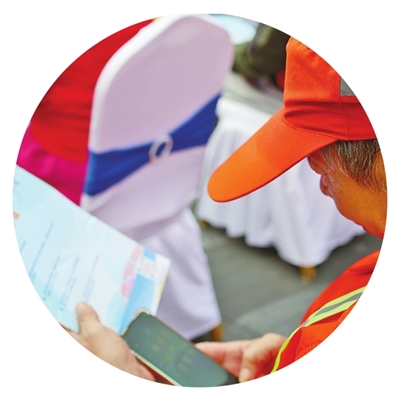
Core Viewpoint - The "Civilization Seeker" public practice exploration activity, organized by the Hangzhou Public Service Advertising Promotion Center and co-organized by the Hangzhou West Lake Museum, aims to enhance cultural exploration and promote urban civilization among citizens [1] Group 1: Event Overview - The event took place at the first-floor exhibition hall of the Hangzhou West Lake Museum, attracting numerous citizens to participate [1] - Participants of various age groups engaged with the "Civilization Seeker Handbook," exploring the connection between cultural relics and modern exhibitions [1] Group 2: Participant Experience - Citizens experienced the concept of "quiet observation" by closely examining the details of cultural relics and felt the dialogue of civilization through light installations [1] - The event emphasized the beauty of "order" through organized queuing and quiet communication among participants, highlighting the importance of civility in urban life [1] Group 3: Organizer's Perspective - The organizer expressed hope that the activity would not only provide an enjoyable cultural exploration journey for citizens but also serve as a platform for conveying urban warmth and building a consensus on civilization [1] - The initiative aims to make the essence of urban civilization more vivid and appealing [1]
探寻琼南“三江源”
Hai Nan Ri Bao· 2025-11-14 02:32
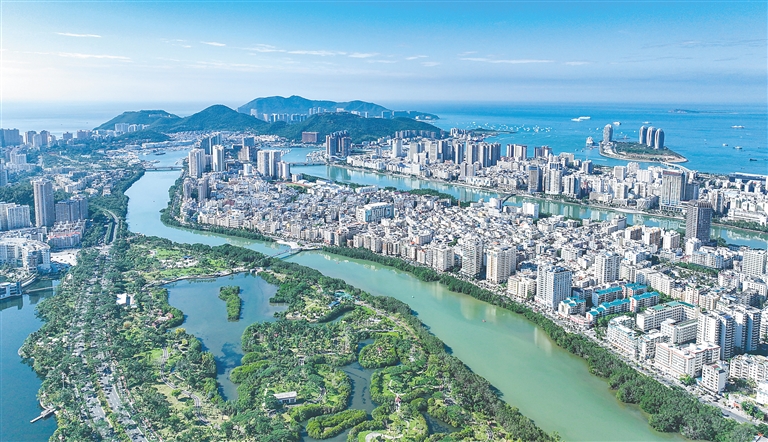
Core Viewpoint - The article discusses the exploration and cultural significance of the "Three Rivers Source" in southern Hainan, specifically focusing on the Sanya River, Ningyuan River, and Tiejiao River, highlighting their historical and ecological importance as well as the recent efforts to mark their origins [8][19]. Group 1: Exploration of the Rivers - The Sanya River, despite being the shortest at 32 kilometers, posed significant challenges in locating its source, which is situated in the Linbi Ridge area at an elevation of 913 meters [9][10]. - The exploration involved multiple attempts, with the successful third attempt aided by experts and local guides, culminating in the installation of a stone marker at the river's source on September 25, 2024 [10][14]. - The Ningyuan River and Tiejiao River were easier to trace, with precise geographical coordinates provided by local water conservancy experts [11][13]. Group 2: Cultural and Historical Significance - The rivers have been integral to the development of local civilization, with archaeological findings indicating that the Sanya area has been inhabited for over 10,000 years [21]. - The rivers have shaped the cultural landscape of the region, influencing settlement patterns and economic activities, such as salt production, which dates back over 1,200 years [27]. - The article emphasizes the need for cultural preservation and the potential for tourism development around these historical sites, including the establishment of a national archaeological park and a salt museum [26][27]. Group 3: Urban Development and Economic Impact - The Sanya River basin covers an area of 337 square kilometers, while the Ningyuan and Tiejiao Rivers cover 1,020 and 709 square kilometers respectively, significantly influencing urban planning and development in Sanya [22]. - The urban layout of Sanya is structured around these rivers, with key developments including luxury hotels and medical institutions along the riverbanks, contributing to the city's economic growth [22][23]. - The article suggests that the rivers serve as a cultural and economic engine for Sanya, attracting investment and fostering a unique urban identity [23][24].
从“老年卡”到“长寿卡”(金台随感)
Ren Min Ri Bao· 2025-11-04 22:12
Core Viewpoint - The evolution of public transport voice prompts reflects a shift in urban governance from a management perspective to a service-oriented approach, emphasizing respect and warmth towards the elderly [2][4]. Group 1: Attitude Towards the Elderly - The change in voice prompts from a rigid identification system to a warm greeting signifies a transformation in how cities treat their elderly population, moving from a management mindset to a service-oriented one [2]. - Cities like Yangzhou have tailored their approach by introducing different cards for various age groups, such as the "Happiness Card" for those over 55 and the "Longevity Card" for those over 70, enhancing the dignity of elderly citizens [2]. Group 2: Humanistic Care - Different cities have adopted unique voice prompts that reflect local culture and warmth, such as "Wishing you health" in Jiuquan and "Respect for the elderly card" in Beijing, showcasing a personalized approach to public service [3]. - The evolution from standardized prompts to personalized expressions indicates a growing sensitivity to individual emotional needs within public governance [3]. Group 3: Urban Civilization - Shanghai's approach of providing comprehensive subsidies for elderly residents, allowing them to cover transport costs without explicit voice prompts, exemplifies a mature public governance model that respects individual privacy [3]. - This method of delivering benefits subtly indicates a higher level of urban civilization, where the best care is often the least obtrusive [3]. Group 4: Future Prospects - There is potential for further innovation in voice prompts, such as seasonal greetings or local dialects, which could enhance the personal touch and warmth of public transport interactions [4]. - The evolution of these voice prompts serves as a reflection of a city's understanding of its citizens, marking a significant shift in urban governance philosophy [4].