
食物银行

Search documents
你知道什么是“食物银行”吗?
Ren Min Ri Bao· 2026-01-24 10:06
Core Viewpoint - The "food bank" initiative in Shenzhen has gained significant attention for its innovative approach to addressing the issue of near-expiry and surplus food, reducing waste and benefiting the community [1][2]. Group 1: Food Bank Initiative - The "food bank" has provided approximately 500,000 portions of near-expiry or surplus food, benefiting around 500,000 individuals over three years [1]. - The initiative has established stable partnerships with nearly 100 companies, including Hema Fresh and CR Vanguard, saving about 202 tons of food and reducing carbon emissions by approximately 404 tons [2]. - The core concept of the "food bank" is to repurpose food that is difficult to sell but too valuable to discard, creating a bridge between resource recycling and community support [2]. Group 2: Food Waste Issue - China loses approximately 9.2 billion jin of food annually due to waste across the entire supply chain, highlighting the need for a comprehensive approach to food conservation [2]. - The practice of food conservation is not new; it is rooted in traditional values and has been adopted in various forms globally, such as Singapore's "empty plate zero waste" initiative and Germany's app for preserving food [3]. - The promotion of food conservation should be integrated into community agreements and industry standards, encouraging individual responsibility and collective action [3].
从“食物银行”看节约粮食新思路(“三农”观察)
Ren Min Ri Bao· 2026-01-22 22:06
Core Insights - The "Food Bank" initiative in Shenzhen has gained significant attention for its innovative approach to addressing the issue of near-expiry and surplus food, preventing it from becoming waste [1][2] - The initiative has successfully collaborated with nearly 100 enterprises, saving approximately 202 tons of food and reducing carbon emissions by about 404 tons [2] - The broader context of food waste in China highlights an annual loss of around 9.2 billion jin (approximately 4.6 million tons) across the entire food supply chain, emphasizing the need for a comprehensive approach to food conservation [2] Group 1 - The "Food Bank" provides free food to disadvantaged groups and citizens in need, effectively reducing food waste and promoting green consumption [1][2] - The initiative serves as a model for integrating government, businesses, and social organizations in a collaborative effort to tackle food waste [2] - The core philosophy of the "Food Bank" is to repurpose food that is difficult to sell but still edible, bridging the gap between resource recycling and community support [2] Group 2 - Historical and cultural perspectives on food conservation in China emphasize the importance of saving food as a traditional virtue [3] - Various international examples of food conservation initiatives demonstrate a global trend towards reducing food waste through innovative practices [3] - The "Food Bank" initiative reflects a growing societal commitment to food conservation, encouraging individual responsibility and community involvement in reducing food waste [3]
深圳街头的“食物银行” 藏着一座城市的温暖
Xin Lang Cai Jing· 2026-01-16 17:05
Group 1 - The core concept of the article revolves around the emergence of "food banks" in Shenzhen's Futian District, which have gained popularity online as green cabinets that provide free access to surplus and near-expiry food donated by caring businesses and supermarkets [3] - The "food bank" initiative has been operational since May 2022 and has successfully expanded to cover all 10 streets within the Futian District [3] - This project exemplifies the efficient transformation of surplus food into charitable food, highlighting the warmth and community spirit of the city [3]

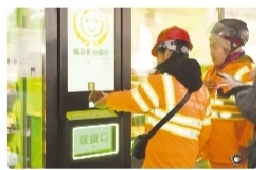
“食物银行”公益探索暖人心
Xin Lang Cai Jing· 2026-01-01 22:54
Group 1 - The core concept of the "food bank" initiative is to provide a sustainable solution for handling near-expiry food items by allowing citizens to reserve and collect them for free through smart cabinets, reflecting a shift from traditional relief to a model of shared governance and community support [1] - The "food bank" model addresses the challenge of food waste faced by supermarkets and bakeries by ensuring strict inspection and cold chain delivery of food items, thus redistributing food that would otherwise be wasted to those in need [1] - The initiative emphasizes the dignity of recipients by utilizing a contactless method for food collection, which reduces psychological pressure associated with traditional aid methods and protects the privacy of those receiving assistance [1] Group 2 - The practice of the "food bank" offers insights for refined governance in large cities, highlighting the importance of technological innovation in optimizing governance processes and balancing resource allocation, human care, and sustainable operation [2] - The initiative fosters collaboration among businesses, social organizations, and citizens, transforming sporadic charitable acts into systematic actions that effectively utilize resources while nurturing a culture of mutual assistance and trust within the city [2] - Addressing urban challenges such as food conservation, community support, and environmental practices requires innovative approaches, emphasizing that urban governance progress relies not only on resource investment but also on the continuous exploration of new models for smoother goodwill transmission and warmer city development [2]
新闻周刊丨让剩余食物发挥“余热”,“食物银行”你见过吗
Yang Shi Xin Wen· 2025-12-27 23:30
Core Viewpoint - The "Food Bank" initiative in Shenzhen's Futian District provides free food to those in need through a smart, contactless system, highlighting community support and efficient food redistribution [1][3][9]. Group 1: Operation and Accessibility - The "Food Bank" operates 24/7, allowing individuals to reserve food via an app, with priority given to vulnerable groups such as low-income individuals, the disabled, and sanitation workers [1][3]. - Food is typically collected from supermarkets and businesses, including fresh produce and items nearing their expiration date, ensuring minimal waste [3][9]. - The system has been effective, with food often fully reserved within an hour and a half of availability, indicating high community engagement [1][9]. Group 2: Volunteer Involvement and Support - Over 20 volunteers support the operation of the food banks, assisting individuals who may have difficulty accessing the food or require specific dietary considerations [5][7]. - Volunteers also ensure food safety by checking expiration dates and the quality of items before they are made available [3][9]. Group 3: Community and Corporate Engagement - The initiative has seen participation from local businesses, which can advertise their contributions and benefit from tax deductions for donations, thus reducing their waste disposal costs [9]. - The program has successfully served over 500,000 individuals across 22 food banks in 10 streets within the Futian District [9].
24小时“食物银行”,让城市善意永不打烊
Xin Lang Cai Jing· 2025-12-21 19:39
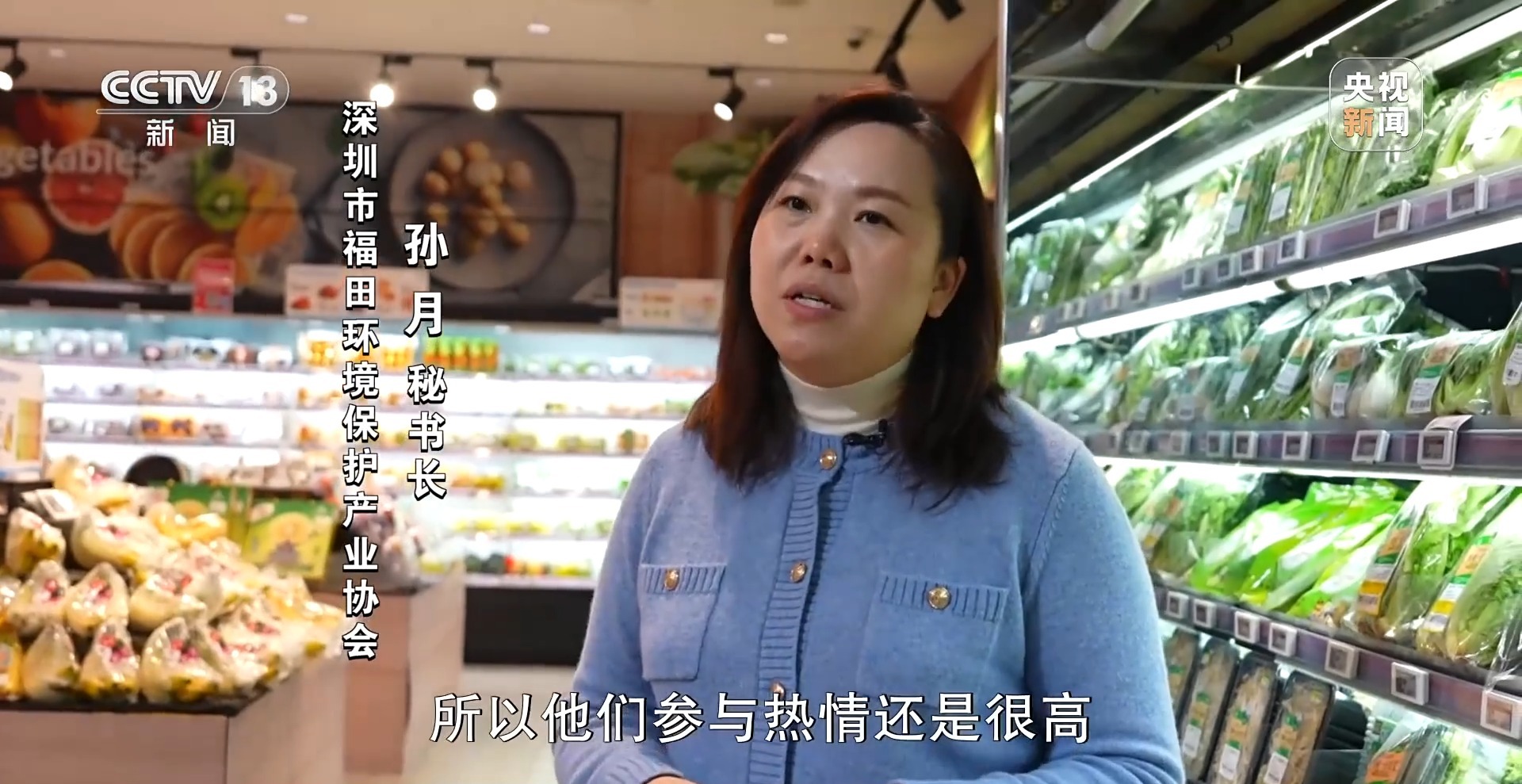
Core Insights - The 24-hour "food bank" in Shenzhen's Futian District addresses the urgent needs of low-income groups and individuals with disabilities, providing free access to food without complex application processes [1][2] - This initiative reflects the city's commitment to social welfare and humanistic values, showcasing a model of modern philanthropy that encourages community participation and shared responsibility [2][3] Group 1: Social Impact - The "food bank" serves as a platform for redistributing surplus food from supermarkets, corporate donations, and individual contributions, fostering a sense of community and connection among strangers [1][2] - It breaks the traditional one-way charity model by creating a shared ecosystem where everyone can contribute, thus enhancing the dignity of recipients and promoting a culture of mutual support [2][3] Group 2: Operational Considerations - Ensuring food safety and freshness is critical for the sustainability of the "food bank," necessitating strict guidelines for material selection, storage, and regular health inspections [2] - A traceability system for donated goods is recommended to prevent the distribution of substandard food, ensuring that recipients can trust the quality of what they receive [2] Group 3: Institutional Support - The success of such initiatives requires institutional backing from the government, which should coordinate resources across various sectors to support innovative charitable efforts [3] - Encouraging corporate participation in social responsibility initiatives can create a long-term collaborative model involving government, businesses, and society [3]
让食物发挥“余热”,点赞!
Xin Lang Cai Jing· 2025-12-20 08:46
Core Insights - The 24-hour "Food Bank" in Shenzhen's Futian District has gained popularity for providing free food such as bread and vegetables to low-income and disabled individuals, showcasing a unique approach to urban welfare [1] - The initiative employs a refined management system that prioritizes special groups, ensuring efficient distribution through online reservations and QR code scanning, with surplus food available to all citizens [1] - The food bank has operated for three and a half years, benefiting 484,000 individuals, and emphasizes environmental sustainability by reducing food waste while demonstrating urban compassion [1] Management Innovation - The food bank's model focuses on "first benefiting the needy, then the general public," with a whitelist of individuals verified by local streets [1] - Food items are sourced from donations by large supermarkets and chain bakeries, ensuring safety and traceability [1] - The combination of technology and institutional measures facilitates a smooth and secure flow of goodwill [1] Social Impact - The initiative alleviates financial burdens for individuals such as sanitation workers and struggling families, highlighting its role in supporting those striving to improve their lives [1] - The model is seen as a potential template for other cities, emphasizing that urban modernization should include detailed care for every individual [2]
24小时不打烊 深圳福田“食物银行”
Yang Guang Wang· 2025-12-18 15:46
Core Idea - The "Food Bank" initiative in Shenzhen's Futian District provides free food to low-income households and the general public, aiming to reduce food waste and support community welfare [1][2][3] Group 1: Project Overview - The "Food Bank" was launched in May 2022 and has been operational for three and a half years, benefiting nearly 500,000 people [1] - The project operates through a collaboration model involving government, businesses, social organizations, and community participation [1][3] - Food donations are valued at 15% of the original price, with tax incentives for participating companies to encourage donations [1][3] Group 2: Food Distribution Process - Food is prioritized for low-income families and special groups before 8 PM, after which it is available to the general public [2][3] - The initiative has established partnerships with nearly 100 local businesses, ensuring a steady supply of food while providing tax benefits to donors [3][5] - The food bank includes a variety of items, such as perishable goods and staple foods, ensuring quality control through careful inspection before distribution [4][5] Group 3: Community Engagement - The project encourages community involvement, with volunteers assisting in food collection and distribution [2][5] - Individuals who benefit from the food bank may become volunteers, fostering a culture of giving and community support [5] - The initiative aims to create a positive social impact, promoting energy conservation and charitable practices within the community [5]