城水共生

Search documents
城水共生,深圳石岩水库成全国“美丽河湖”新标杆
Zhong Guo Huan Jing Bao· 2026-01-12 01:06
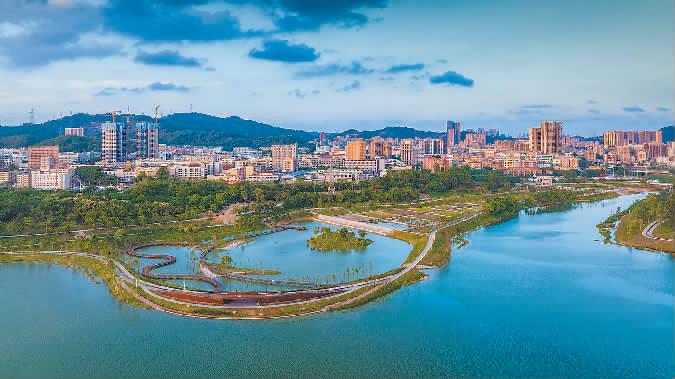
Core Viewpoint - The successful inclusion of the Shiyan River (Shiyan Reservoir) in Shenzhen into the fourth batch of beautiful rivers and lakes by the Ministry of Ecology and Environment highlights the city's innovative "city-water symbiosis" governance model, which has gained national recognition and serves as a replicable model for similar urban reservoirs [2][3]. Group 1: Urban Challenges - The Shiyan Reservoir, built in 1960 with a capacity of 31.98 million cubic meters, is the second-largest water supply reservoir in Shenzhen, providing an annual average of 360 million cubic meters of water [3]. - As urban development rapidly expanded, the reservoir became surrounded by dense construction, leading to challenges such as water resource shortages and unstable water quality from tributaries [3]. Group 2: Governance Solutions - Shenzhen implemented a systematic approach to governance, establishing a 108.02 square kilometer water source protection area and constructing over 105 kilometers of isolation fencing [4]. - The city executed a significant "one water demolition" campaign, removing 310,000 square meters of illegal constructions within the primary water source protection area in just eight months, a model now promoted nationwide [4]. Group 3: Technological Empowerment - A comprehensive monitoring network was established at the Shiyan Reservoir, including 35 automatic water quality monitoring stations and 11 AI ecological monitoring devices to detect illegal activities [5]. - The management team, consisting of nearly 100 personnel, ensures effective ground inspections to address issues promptly [5]. Group 4: Ecological Benefits - The water quality of the Shiyan Reservoir has improved to a stable level of Class II surface water, with an increased annual water supply capacity of 500 million cubic meters [6]. - The ecological restoration has led to a high natural ecological shoreline rate of 89.1% and a vegetation coverage of 91.4% in the buffer zone, supporting over 500 species of flora and fauna [7]. Group 5: Economic Transformation - The ecological improvements have transformed the Shiyan Reservoir into a "green engine" for high-quality regional development, enhancing both ecological and economic benefits [8]. - The area has attracted high-end talent and industries, with over 130,000 various talents introduced, showcasing the strong appeal of a livable ecological environment [8]. Group 6: Sustainable Development Model - The governance practices at Shiyan Reservoir provide a systematic model for managing urban reservoirs, emphasizing fine governance over large-scale demolition and promoting sustainable mechanisms instead of short-term fixes [9].

北京坝河金盏淀公园有了“贝加尔湖”的味道
Xin Jing Bao· 2025-11-26 04:06
Core Insights - The Bahe Riverside Space Construction Project won the Gold Award at the 2025 French Design Awards, highlighting its international recognition and innovative design [1][2] - The project aims to create a vibrant urban waterfront that integrates ecological, cultural, tourism, and commercial functions, enhancing the quality of life for residents [2][7] Project Overview - The Bahe River has a history of approximately 800 years, stretching 21.7 kilometers and serving as a vital waterway for transportation [2] - The awarded section of the Bahe River, from Jiuxianqiao Road to Langyuan, is 2.3 kilometers long and features diverse areas such as urban vitality waterfronts, leisure waterfronts, and ecological natural waterfronts [2][3] Economic Impact - The rental rate of shops at Langyuan Station increased from 30% to 100% within a month, with annual sales growth of 70% for merchants [3] - The construction of the waterfront space has attracted significant foot traffic, benefiting local businesses and enhancing the area's economic vitality [3][7] Community Engagement - The project incorporated feedback from residents and businesses, addressing local environmental concerns and enhancing green spaces [4][5] - The design process involved public participation, ensuring that community needs were met and fostering a sense of ownership among residents [7] Infrastructure Development - The project includes the construction of 4.6 kilometers of cycling paths and three pedestrian bridges to connect both sides of the river, promoting accessibility and encouraging outdoor activities [5][6] - The transformation of roadways along the river into pedestrian-friendly paths enhances the overall experience for visitors and residents [5] Future Expansion - The Bahe River's construction is ongoing, with plans to connect to the North City Moat and other waterways, creating a comprehensive 43.4-kilometer slow-moving system [1][8] - The newly opened Jinzhanyin Park has become a popular destination for cycling enthusiasts, further promoting recreational activities in the area [8][9]
坝河滨水空间获国际金奖,专家:工程体现了“城水共生”理念
Xin Jing Bao· 2025-11-26 03:21
Core Viewpoint - The Bahe waterfront space construction project has won the 2025 French Design Award, showcasing a model that integrates ecological collaboration, cultural identity, and public participation in urban renewal [1] Group 1: Project Features - The project embodies the "city-water symbiosis" concept, addressing urban renewal and public needs through ecological synergy, spatial integration, cultural identity, and public co-construction [1] - The core 2.3-kilometer section connects various cultural and commercial nodes, including Yipin Port and Langyuan Station, and includes plans for a boat dock and pedestrian pathways to enhance local economic activity [1] - The design phase involved a collaborative mechanism led by the government and public participation, resolving community issues through innovative solutions like removing barriers to connect green spaces [1] Group 2: Ecological and Cultural Aspects - The Bahe flood retention area construction aims to achieve a balance between flood safety and ecological value, serving as a crucial flood diversion channel while enhancing urban green spaces [2] - The project includes a 15-kilometer boat route designed to provide seasonal scenic views, integrating sculptures that reflect local cultural heritage and preserving native trees to create a layered landscape [2] - The initiative promotes a healthy ecosystem by establishing a diverse vegetation system that supports wildlife habitats, thereby unifying water management and ecological restoration [2]
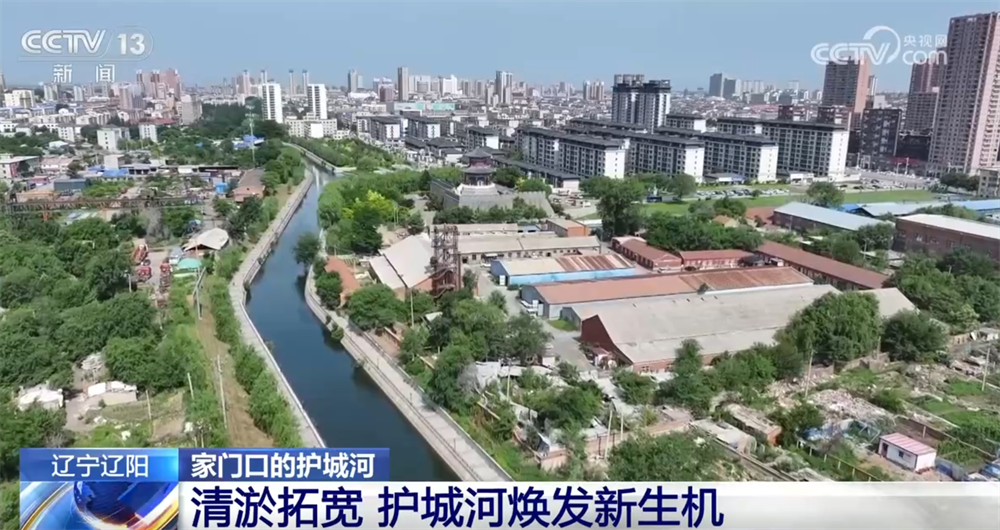
从历史见证者到城市“会客厅” 家门口的护城河绘就“城水相依”幸福新画卷
Yang Shi Wang· 2025-07-01 08:33
Core Viewpoint - The transformation of ancient city moats in China reflects the evolution of urban functions from military defense to ecological corridors and cultural tourism, highlighting the importance of integrating historical heritage with modern urban life [1][9]. Group 1: Liaoyang City Moat - Liaoyang's moat, with a history of over 2300 years, has transitioned from a defensive barrier to an ecological corridor and cultural tourism link, showcasing significant changes in its function and appearance [1][3]. - The moat has undergone extensive renovation since 2004, including dredging, widening, and landscaping, resulting in a two-meter-wide pedestrian walkway and the creation of 13 pocket parks, enhancing the quality of life for residents [3][5]. - Historical sites such as Kui Xing Tower and Ping Hu Tower have been restored, integrating ancient history into modern urban life and improving the cultural quality of the city [5][7]. Group 2: Jinan Spring Moat - Jinan's moat, unique for being formed by spring water, connects several major springs and serves as a vital part of daily life for residents, reflecting the city's identity as "Spring City" [10][18]. - The moat is maintained by a dedicated team of cleaners and innovative environmental technologies, ensuring its cleanliness and vitality [16][18]. - The local government has implemented regulations to protect the springs and moat, reinforcing the connection between the natural environment and the community's lifestyle [18]. Group 3: Xiangyang City Moat - Xiangyang's moat, known for being the widest in Asia, has evolved from a military stronghold to a cultural and ecological symbol, embodying the city's historical and emotional significance for its residents [19][25]. - The moat faced pollution issues in the past, leading to multiple large-scale dredging and remediation projects, with ongoing efforts to maintain water quality and ecological health [21][23]. - The scenic integration of the moat with ancient city walls and vibrant urban life creates a unique atmosphere that is essential to the daily experiences of Xiangyang's inhabitants [25].