基于规则的国际秩序消退

Search documents
牛弹琴:特朗普大闹达沃斯,全世界哭笑不得
Xin Lang Cai Jing· 2026-01-22 00:13
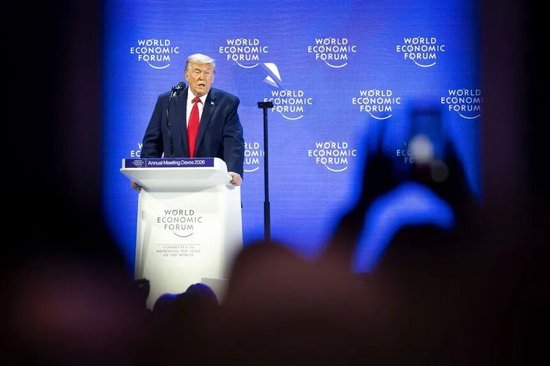
Core Viewpoint - Trump's unexpected 180-degree turn at Davos, where he announced the cancellation of tariffs on European countries, surprised many and led to a rebound in European stock markets [2][4][36] Group 1: Tariff Announcement - On January 17, Trump threatened to impose a 10% tariff on eight European countries starting February 1, increasing to 25% by June 1 if the U.S. did not acquire Greenland [3][4] - Five days later, at Davos, Trump stated that due to productive discussions with NATO Secretary General, he would not implement the planned tariffs [4][36] - The announcement was met with applause from European nations, although there were underlying concerns about the unpredictability of Trump's decisions [4][36] Group 2: Criticism of Europe - Despite the tariff cancellation, Trump's speech at Davos was filled with criticism towards European leaders, calling Denmark "ungrateful" and mocking various countries [5][28][32] - He claimed that without U.S. support, European nations would be significantly worse off, emphasizing America's role in their defense during WWII [28][39] - Trump's remarks included threats of tariffs on French wine and champagne, showcasing his confrontational stance towards European allies [32][39] Group 3: Strategic Intentions - Trump's comments on Greenland indicated that the U.S. still seeks to assert its claim over the territory, despite his claims of not using force [7][28] - He described Greenland as strategically important, situated between the U.S., Russia, and China, highlighting its geopolitical significance [34][41] - The speech reflected a broader narrative of U.S. dominance, with Trump asserting that many countries owe their prosperity to American influence [39][41] Group 4: Global Context - The speech occurred against a backdrop of shifting global power dynamics, with Canada’s Prime Minister warning of a declining rules-based international order [41] - Trump's rhetoric suggests a growing trend where powerful nations act unilaterally, leaving weaker countries to adapt or suffer the consequences [41] - The implications of Trump's statements raise questions about the future of international relations and the need for countries to reassess their strategies in light of U.S. policies [41][42]

特朗普和马克龙,直接开干了
Sou Hu Cai Jing· 2026-01-21 07:40
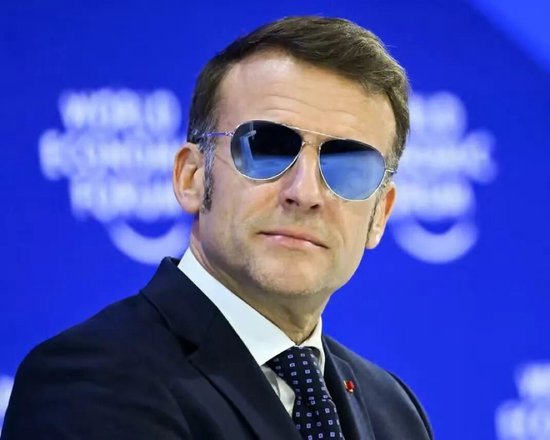
Group 1 - The relationship between Trump and Macron has drastically changed from friendship to animosity, highlighting the volatility of political alliances based on interests and positions [4][3]. - Trump has expressed anger towards Macron for not joining his proposed Peace Committee, which he aims to establish as an alternative to the United Nations, charging $10 billion for a seat [5][6]. - Following Macron's refusal, Trump threatened to impose a 200% tariff on French wine and champagne, indicating a potential escalation in trade tensions [6][7]. Group 2 - Macron's diplomatic approach included suggestions for a G7 meeting and a dinner in Paris, but Trump's actions have led to a breakdown in communication and trust [12][16]. - The ongoing tensions reflect a broader shift in U.S.-European relations, with Macron publicly criticizing Trump's trade policies and expressing concerns over U.S. actions that undermine traditional alliances [16][24]. - The situation serves as a warning to medium-sized Western powers about the changing dynamics of U.S. foreign policy, where former allies may now be viewed as adversaries [24].
牛弹琴:特朗普和马克龙,直接开干了
Xin Lang Cai Jing· 2026-01-20 23:51
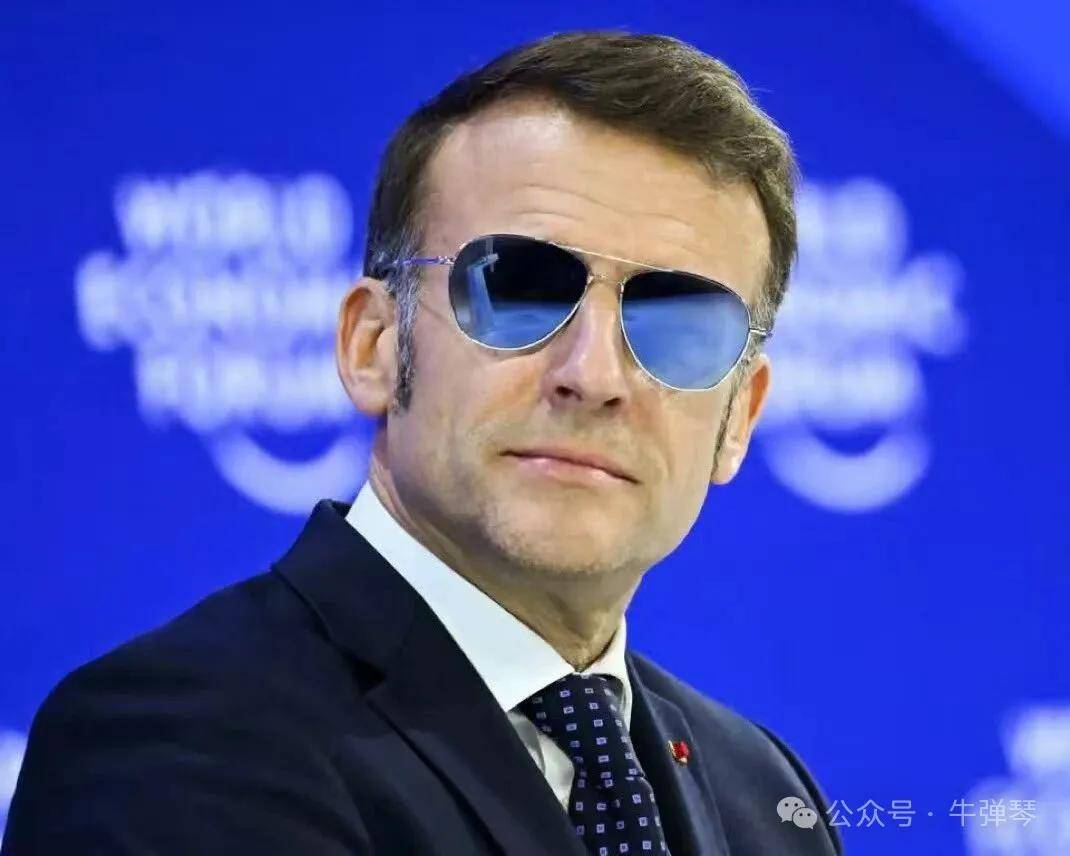
Group 1 - The relationship between Trump and Macron has drastically changed from friendship to hostility, reflecting the volatility of political alliances based on interests and positions [2][30][31] - Trump has established a Peace Committee, inviting countries to join for a fee of $10 billion, which is perceived as an attempt to replace the United Nations [31][32] - Macron publicly declined Trump's invitation to join the Peace Committee, leading to Trump's threat of imposing a 200% tariff on French wine and champagne, which was later reported by Western media [32][39] Group 2 - Macron expressed his disagreement with Trump's actions regarding Greenland and proposed a G7 meeting in Paris, indicating a diplomatic approach despite underlying tensions [36][40] - At the Davos Forum, Macron criticized the idea of a world order dictated by those with military power, emphasizing the unacceptability of new tariffs used as leverage against territorial sovereignty [39][53] - The cancellation of the Paris G7 summit and Macron's refusal to meet Trump at Davos highlight the deteriorating relationship between the two leaders [40][53] Group 3 - The evolving dynamics between the U.S. and its former allies, particularly European nations, suggest a shift where these countries may now view the U.S. as a competitor rather than a partner [53][54] - Macron's call for increased Chinese investment in Europe reflects a strategic pivot away from reliance on the U.S. [53][54] - Canadian Prime Minister's remarks at Davos indicate a growing concern among middle powers about the changing international order and the need for unity against potential U.S. aggression [55]