法国香槟

Search documents
中方话音刚落,特朗普通告全世界:税率加到200%!最大输家出现
Sou Hu Cai Jing· 2026-01-24 07:37
Group 1 - Trump's announcement of a 200% tariff on French wine and champagne aims to exert economic pressure on France and compel President Macron to join the U.S.-led Gaza Peace Committee [1][3] - The 200% tariff exceeds the highest reciprocal tariffs during the U.S.-China trade war and follows China's strong protest against U.S. unilateral tariff actions [1][3] - This tariff represents a significant threat to the French wine and champagne industry, which exports over €4.5 billion annually to the U.S. [5] Group 2 - The 200% tariff is not merely a trade penalty but a direct trade blockade, potentially leading to catastrophic losses for the French industry [5] - The increase in import costs from $20 to $60 for champagne will likely result in a doubling of retail prices, impacting the entire supply chain from vineyards to exporters [5] - The move highlights the hypocrisy and selfishness of U.S. ally relationships, as Trump uses tariffs as a tool for political coercion [3][7] Group 3 - The tariff escalates tensions within the transatlantic alliance and undermines the global free trade order, with France becoming a significant casualty [7] - Germany's recent actions in Greenland illustrate the strategic retreat of European allies under U.S. pressure, further isolating France [7] - The shift of European countries towards China reflects a growing recognition of U.S. unreliability and a search for new economic opportunities [7]

美通告全球,将对法国加税200%,不到24小时,马克龙喊话
Sou Hu Cai Jing· 2026-01-24 04:09
Group 1 - The core conflict between the U.S. administration and French President Macron is escalating, with France responding to U.S. actions by conducting military exercises with seven European countries and rejecting an invitation to join the "Gaza and Peace Committee" [1][5] - The U.S. administration announced a 200% tariff on French wine and champagne in response to perceived slights from Macron, further deteriorating U.S.-European relations [1][5] - The U.S. government's "20-point plan to end the Gaza conflict" proposes the establishment of a peace committee, which raises concerns due to its structure and the U.S. holding significant power within it, including a lifetime chairmanship and veto rights [3] Group 2 - The proposed peace committee is criticized for being dominated by U.S. interests, lacking representation from Palestinian and Israeli parties, and linking international political decision-making to financial contributions, which challenges the international governance system [3] - France's bold stance against the U.S. is commendable, but Macron's inconsistent actions raise questions about the effectiveness of France's response to U.S. pressures [4] - The U.S. actions are viewed as detrimental to international relations, and there is significant interest in how France will navigate this challenging situation moving forward [5]
特朗普通告全球,将对法国加税200%!24小时不到,马克龙突然喊话中国
Sou Hu Cai Jing· 2026-01-23 12:20
Group 1 - Trump announced a shocking 200% tariff on French wine and champagne, aiming to pressure Macron to join the U.S.-led Gaza "Peace Committee" [1] - The French wine industry is a crucial sector, with annual exports to the U.S. exceeding 50 billion euros, accounting for 18% of total French wine exports [1] - The tariff will significantly increase prices, leading to a drastic drop in sales, with U.S. distributors canceling 320 million euros worth of French wine orders within 48 hours [1] Group 2 - The U.S. imports only 22% of its wine from France, while France relies on the U.S. for 18% of its wine exports, creating an imbalance in their trade relationship [1] - Macron's refusal to join the U.S. initiative reflects a desire to maintain the post-war international order, which Trump is attempting to undermine [3] - The conflict between the U.S. and Europe has escalated beyond economic disputes to a fundamental clash over international order and influence [3] Group 3 - Macron's comments at the Davos Forum indicate a shift towards China, seeking investment and technology transfer while criticizing trade imbalances [5] - The narrative of trade imbalance is seen as a misrepresentation of the actual issues, with Europe often restricting high-end exports to China [5] - The call for cooperation with China lacks sincerity, as Europe continues to hold biases and align with U.S. positions on security issues [7]
变天了?马克龙非常罕见地发表反美演讲:帝国野心再次浮出水面!
Sou Hu Cai Jing· 2026-01-23 08:09
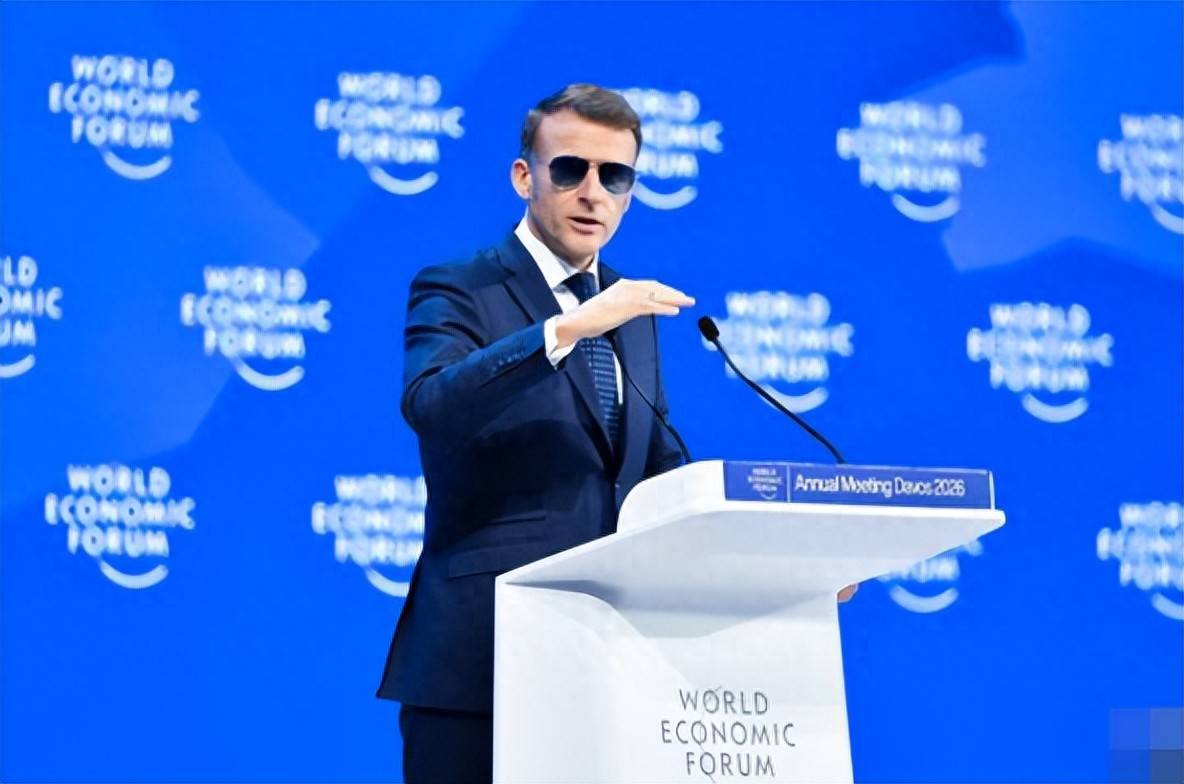
Group 1 - Macron's speech at the Davos Forum marked a significant shift in France's diplomatic stance, openly challenging Trump's leadership and highlighting the resurgence of imperial ambitions [1][3][10] - The immediate trigger for the escalating tensions was the announcement of a 200% tariff on French wine by the White House, which is seen as a blatant economic confrontation [3][4] - The economic implications of the tariff are severe, potentially increasing the price of French champagne from $50 to $150, thereby making French wine exports to the U.S. less competitive and leading to a significant drop in market demand [4][11] Group 2 - Macron's refusal to join the U.S.-led peace committee was a key factor in the diplomatic fallout, with France asserting that the committee's power could undermine the UN framework [5] - The Greenland incident further exacerbated tensions, with Trump publicly dismissing Macron's inquiry about the U.S. interest in acquiring Greenland, showcasing a lack of respect for European concerns [7] - Macron's bold statements at Davos resonated with European sentiments, as evidenced by a significant 11% increase in his approval ratings shortly after the speech, reflecting a growing discontent with U.S. unilateralism [10][12] Group 3 - The U.S. tariff policy is a double-edged sword, as it threatens to impact American consumers and businesses that rely on French wine, potentially leading to over 40,000 job losses in related sectors [11] - In response, France is proactively collaborating with Germany and Italy to establish a European Sovereignty Fund to support industries affected by U.S. tariffs, indicating a strategic shift towards greater European autonomy [12] - The evolving dynamics suggest a deepening of Europe's "Look East" strategy, with China emerging as a crucial partner for European nations seeking stability and open markets amidst U.S. protectionism [13][15]
中方没有答应,特朗普通告全球:加税200%,美媒罕见站队中国
Sou Hu Cai Jing· 2026-01-22 15:06
Group 1 - The newly established Gaza Peace Committee, created by Trump, has sparked strong international reactions within just three days of its formation [1][3] - The committee operates like a private club, with membership solely based on Trump's personal invitations, lacking transparency and democratic processes [3][4] - Membership fees are steep, with permanent members required to pay up to $1 billion, raising concerns about the allocation of funds for Gaza's reconstruction [6][8] Group 2 - Different countries have shown varied responses to the committee's invitation, with China explicitly rejecting participation, emphasizing the need for UN-led international affairs [8] - Russia has taken a cautious approach, confirming receipt of the invitation but withholding a clear response while seeking to maintain its influence in the Middle East [10][12] - France was the first to publicly refuse to join the committee, citing concerns over its authority and operational model, which contradicts international rules [12][14] Group 3 - Trump's imposition of a 200% tariff on French wine and champagne in retaliation for France's refusal has significant implications for the French economy, potentially impacting thousands of jobs [14][17] - The committee's formation has led to increased tensions between the US and Europe, with Germany opting for compromise while the EU grapples with internal divisions [25][27] - Domestic opposition in the US is growing against Trump's tariff policies, with businesses warning of rising inflation and potential job losses [27][28] Group 4 - The committee's unilateral approach has faced backlash, with even close allies like Israel expressing dissatisfaction, indicating a broader challenge to Trump's strategy [30] - China's commitment to multilateralism contrasts sharply with the committee's perceived unilateralism, highlighting a potential shift in global diplomatic dynamics [30]
马克龙刚拒绝美国邀请,不到12小时,特朗普威胁对法国加税200%
Sou Hu Cai Jing· 2026-01-22 09:46
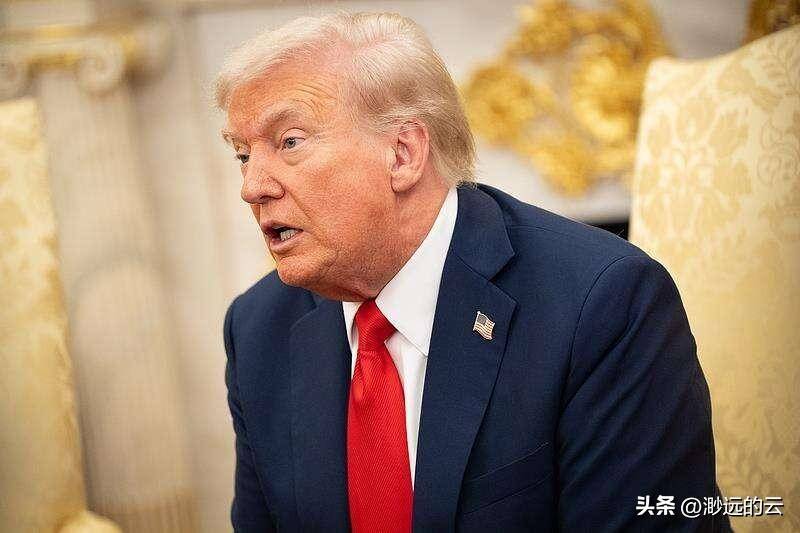
Core Viewpoint - French President Macron's refusal to join Trump's proposed Peace Committee highlights a significant geopolitical tension between the U.S. and France, with potential implications for international relations and trade [1][5][28] Group 1: Peace Committee and Its Implications - The Peace Committee, led by Trump, is perceived as an attempt to consolidate U.S. influence in the Middle East, which Macron is unwilling to support, fearing it would undermine European autonomy in foreign policy [5][19] - The committee's structure grants Trump extensive powers, including the ability to decide membership and veto decisions, which raises concerns about its potential to challenge the authority of the United Nations [1][19] - Macron's rejection of the committee reflects a broader European reluctance to accept U.S. unilateralism, indicating a growing awareness of the need for strategic autonomy within Europe [3][14] Group 2: Trade Relations and Economic Impact - Trump's immediate response to Macron's refusal was a threat to impose a 200% tariff on French wine and champagne, which could devastate the French wine industry, heavily reliant on the U.S. market [7][9] - The potential tariff increase would significantly raise prices for French products in the U.S., making them less competitive and risking economic turmoil for millions of workers in the French wine sector [9][10] - The European Union has indicated it may retaliate against U.S. products if tariffs are imposed, raising the possibility of a transatlantic trade war [10][23] Group 3: Broader Geopolitical Context - The conflict between the U.S. and France over the Peace Committee underscores long-standing tensions in transatlantic relations, exacerbated by Trump's unilateral actions and Europe's growing desire for independence [14][28] - Other European nations share France's skepticism towards the Peace Committee, suggesting a collective wariness of U.S. dominance in international affairs [19][25] - The situation illustrates the potential for a significant shift in global alliances, as countries reassess their positions in light of U.S. foreign policy under Trump [28]
美法当众撕破脸,特朗普对法国葡萄酒和香槟加税200%,摆明了杀鸡儆猴给欧洲看!
Sou Hu Cai Jing· 2026-01-22 07:00
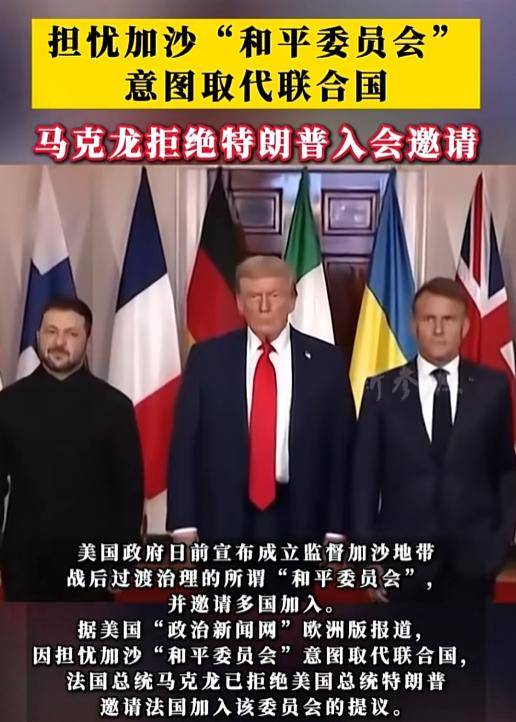
Core Viewpoint - Trump's proposal to establish a "Peace Committee" reflects the U.S. ambition to redefine international rules, inviting over 60 countries to join his "leadership circle," which undermines the role of the United Nations [1] Group 1: U.S. Actions and Reactions - Trump's imposition of a 200% tariff on French wine and champagne is a direct response to France's refusal to participate in his initiative, highlighting the economic and diplomatic tensions between the U.S. and France [1] - The tariff on French products serves as a punitive measure against a traditional ally, showcasing the U.S.'s "us versus them" strategy in global governance [5] Group 2: Geopolitical Implications - The conflict between Trump and Macron is indicative of deeper geopolitical struggles, with Trump's actions aimed at pressuring European nations to yield to U.S. market and policy demands [3] - Macron's assertive stance at the Davos Forum emphasizes Europe's dissatisfaction with U.S. unilateralism and the need for strategic autonomy in the face of American pressure [3][7] Group 3: International Relations Dynamics - The situation illustrates the fragility of alliances, where being an ally of the U.S. may lead to economic repercussions and potential abandonment [7] - China's support for France's position against U.S. tariffs signals a shift in international dynamics, with China positioning itself as a potential balancer in global affairs [5]
中方话音刚落,特朗普就通告全球:税率加到200%!首个受害国出现
Sou Hu Cai Jing· 2026-01-21 13:19
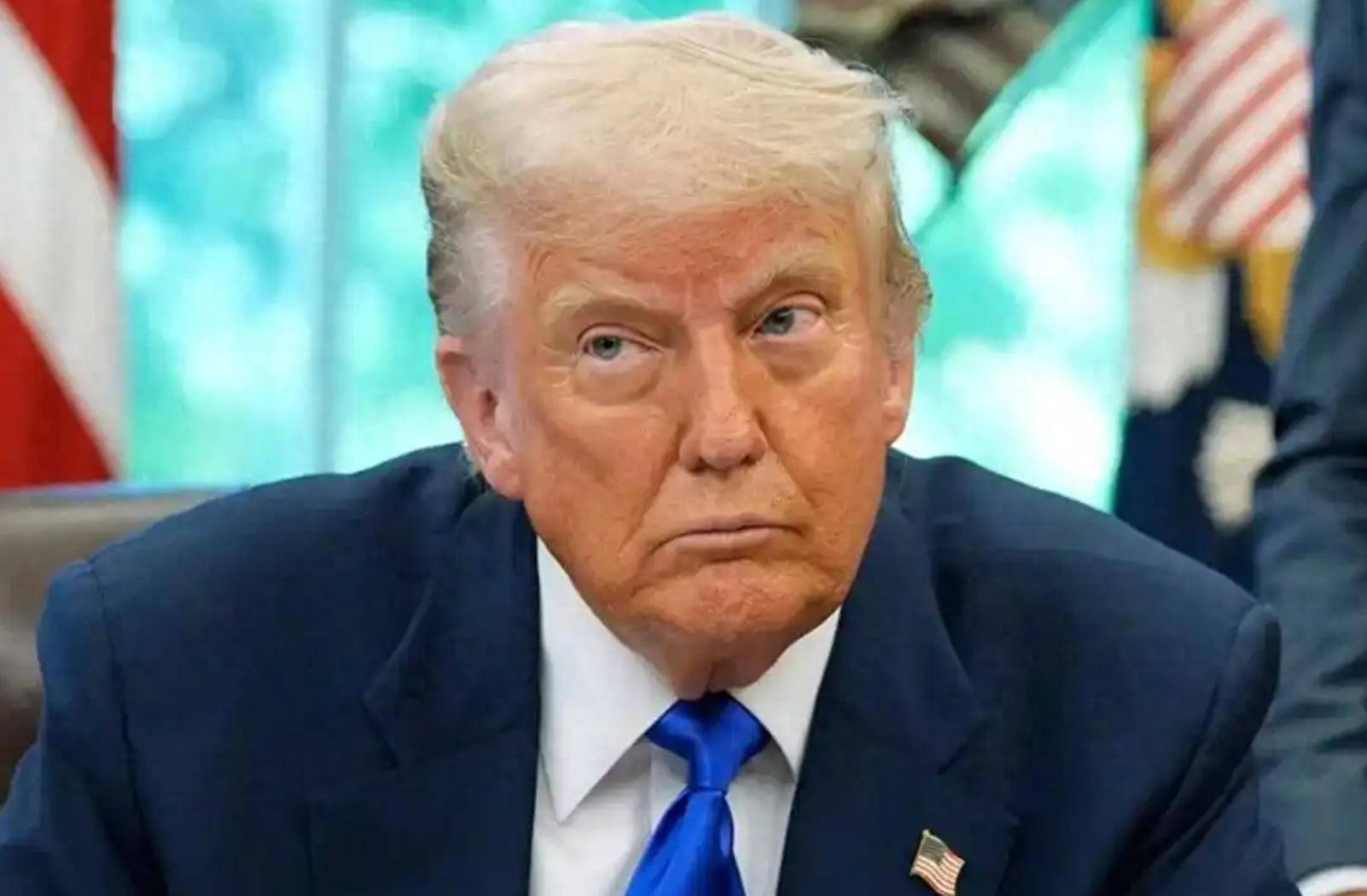
Group 1 - The proposed 200% tariffs on French wine and champagne by the former U.S. president could severely impact the French wine export system, with significant implications for the industry [5][7][14] - The U.S. is the second-largest export market for French wine, with approximately 25% of Bordeaux and Burgundy products sold to the U.S. annually, making the market crucial for the industry [3][5] - The champagne sector is particularly vulnerable, with the U.S. accounting for 10% of sales volume and 14% of sales revenue for French champagne in 2024 [7] Group 2 - The increase in tariffs could lead to a 25% reduction in sales revenue for the industry in the U.S., resulting in potential losses of up to €1 billion [7] - The tariff crisis may affect around 600,000 jobs across the entire supply chain, from vineyard workers to distributors, indicating a widespread impact on employment [11] - The U.S. importers and distributors will also face business declines due to the high tariffs, suggesting a reciprocal impact on the American economy [11][25] Group 3 - The French government has indicated it may take countermeasures to protect domestic industry interests, while the EU is considering a collective response to avoid being individually targeted by the U.S. [23] - The situation reflects a broader concern among European nations regarding unilateral sanctions, which could undermine transatlantic relations and lead to a trade war [21][25] - The crisis serves as a warning for the global trade order, emphasizing the need for mutual cooperation and adherence to international rules to ensure long-term stability [30][32]
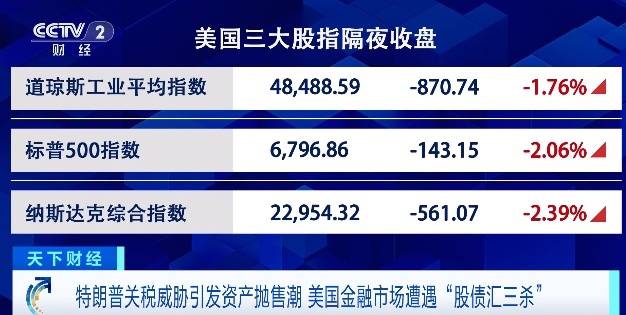
特朗普关税威胁引发资产抛售!美国遭遇“股债汇三杀”
Sou Hu Cai Jing· 2026-01-21 11:14
Group 1 - The Trump administration's tariff threats have led to significant volatility in global financial markets, particularly affecting U.S. assets [1] - U.S. markets experienced a "triple whammy" with all major indices declining: the Dow Jones Industrial Average fell by 1.76%, the S&P 500 dropped over 2%, and the Nasdaq Composite decreased by 2.39% [3] - The U.S. dollar index fell by 0.41%, closing at 98.642, marking its lowest point in about two weeks [3] Group 2 - The yield on 10-year U.S. Treasury bonds rose by over 6 basis points, reaching 4.29%, the highest level since mid-August of the previous year, indicating a sell-off in the bond market [5] - The rise in bond yields suggests a decrease in bond prices, reflecting a broader trend of asset sell-offs in the U.S. [5] - Increased safe-haven demand led to new highs in international gold and silver prices, indicating a shift in investor sentiment [7] Group 3 - Trump's announcement of a 200% tariff on French wine and champagne aims to pressure French President Macron to join a proposed Gaza "peace committee" [7] - Despite Trump's threats, France currently has no intention of accepting the invitation to join the committee, highlighting ongoing geopolitical tensions [7]
特朗普和马克龙,直接开干了
Sou Hu Cai Jing· 2026-01-21 07:40
Group 1 - The relationship between Trump and Macron has drastically changed from friendship to animosity, highlighting the volatility of political alliances based on interests and positions [4][3]. - Trump has expressed anger towards Macron for not joining his proposed Peace Committee, which he aims to establish as an alternative to the United Nations, charging $10 billion for a seat [5][6]. - Following Macron's refusal, Trump threatened to impose a 200% tariff on French wine and champagne, indicating a potential escalation in trade tensions [6][7]. Group 2 - Macron's diplomatic approach included suggestions for a G7 meeting and a dinner in Paris, but Trump's actions have led to a breakdown in communication and trust [12][16]. - The ongoing tensions reflect a broader shift in U.S.-European relations, with Macron publicly criticizing Trump's trade policies and expressing concerns over U.S. actions that undermine traditional alliances [16][24]. - The situation serves as a warning to medium-sized Western powers about the changing dynamics of U.S. foreign policy, where former allies may now be viewed as adversaries [24].