复制者计划

Search documents
天空的霸权,正在从硅谷转移到珠三角
虎嗅APP· 2026-01-26 10:26
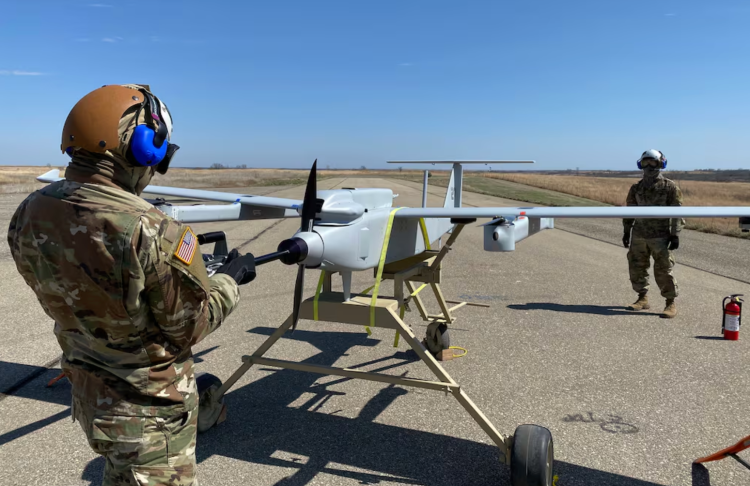
Core Viewpoint - The article discusses the shift of aerial dominance from Silicon Valley to the Pearl River Delta, highlighting China's advancements in drone technology and its implications for global competition [4][8]. Group 1: Understanding China's Low-altitude Economy - China's perspective on drones is fundamentally different from that of the U.S., viewing them as "flying servers" rather than just aircraft, which aligns with its infrastructure development mindset [10][12]. - The Chinese government has established a comprehensive low-altitude digital infrastructure, akin to building roads, to facilitate drone operations [11][13]. - The Civil Aviation Administration of China (CAAC) adopts a pragmatic regulatory approach, allowing for experimentation and learning from failures in designated areas [14][15]. Group 2: U.S. Regulatory Challenges - The U.S. Federal Aviation Administration (FAA) prioritizes manned aircraft, creating significant barriers for commercial drone operations, such as the "Visual Line of Sight" requirement [22][23]. - Despite having the most open airspace, the U.S. faces bureaucratic hurdles that hinder the commercial viability of drones, exemplified by Amazon's struggles with its Prime Air project [24][26]. - Cultural resistance, particularly the NIMBY (Not In My Backyard) mentality, further complicates the deployment of drone technology in the U.S. [25][26]. Group 3: Supply Chain and Manufacturing Disparities - The article emphasizes that the U.S. has lost its ability to produce affordable and effective hardware, while China excels in manufacturing drones at a lower cost and higher efficiency [30][31]. - The U.S. government's attempts to create a domestic drone ecosystem have resulted in higher costs and inferior performance compared to Chinese counterparts [32][33]. - This creates a cycle where limited commercial applications lead to low demand, preventing cost reductions through economies of scale [34][35]. Group 4: Military Implications and Future Strategies - The use of consumer drones in military conflicts, such as in Ukraine, has raised alarms in the U.S. regarding its military capabilities [39][41]. - China’s approach to drone technology has evolved from consumer products to military applications, while the U.S. relies on high-cost, high-precision military technology [42][43]. - The U.S. is now attempting to rapidly develop affordable drones through initiatives like the "Replicator Initiative," but faces challenges in manufacturing without relying on Chinese supply chains [45][46]. Group 5: Future Competition and Innovation - The article concludes that the future of aerial dominance will depend on which country can better embrace innovation, respect engineers, and allow for trial and error in technology development [48][52]. - The contrasting approaches of the U.S. and China highlight the potential for both nations to coexist in the aerial domain, but success will hinge on their respective regulatory and cultural environments [51][52].

为什么说,天空的霸权,正在从硅谷转移到珠三角?
Xin Lang Cai Jing· 2026-01-26 00:26
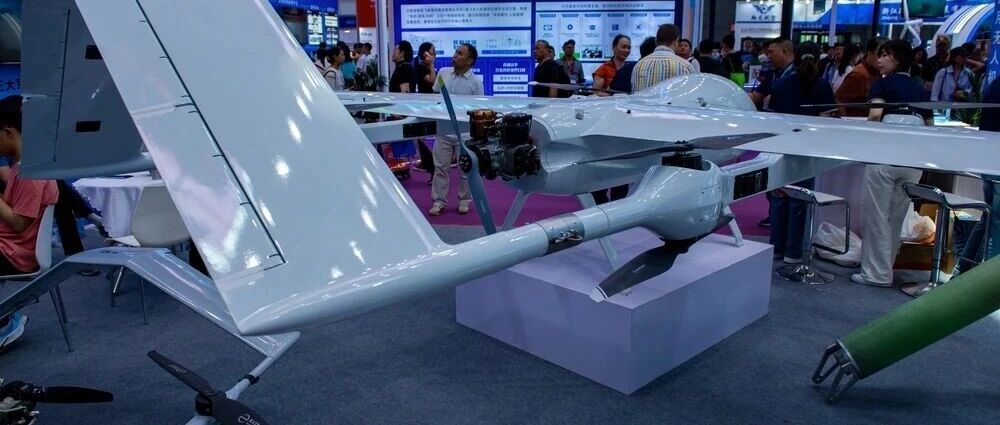
Core Perspective - The article contrasts the development and application of drone technology in China and the United States, highlighting China's rapid advancements in low-altitude economy and drone delivery systems compared to the regulatory and cultural challenges faced by the U.S. [5][20] Group 1: China's Drone Industry - China's approach to drones is characterized by viewing them as "flying servers" and integrating them into existing infrastructure, similar to its high-speed rail and highway systems [7][9] - The Chinese government has established a detailed low-altitude digital infrastructure, allowing for extensive drone operations and data accumulation, which enhances operational efficiency [7][9] - Major Chinese companies like Meituan, SF Express, and JD.com are pushing the boundaries of drone technology to reduce delivery costs, leveraging the dense urban environment for practical applications [9][11] Group 2: U.S. Drone Industry Challenges - The U.S. Federal Aviation Administration (FAA) imposes strict regulations that hinder commercial drone operations, prioritizing manned aircraft and creating significant barriers for drone delivery services [13][15] - Cultural resistance in suburban America, characterized by NIMBYism (Not In My Backyard), complicates the acceptance and deployment of drone technology [15][20] - The U.S. has lost its competitive edge in producing affordable and effective drone hardware, relying on a complex regulatory environment that stifles innovation and scalability [16][18] Group 3: Geopolitical Implications - The article discusses the implications of drone technology in military contexts, noting that the U.S. is now trying to catch up in producing low-cost drones for warfare, contrasting with China's consumer-driven development of robust drone technology [20][22] - The ongoing geopolitical competition between the U.S. and China is framed as a battle for dominance in the low-altitude airspace, with each country adopting different strategies for innovation and deployment [23][25]
“美国发现自己落后了”,美媒:美国面临无人机制造困境
Huan Qiu Wang· 2025-09-16 15:00
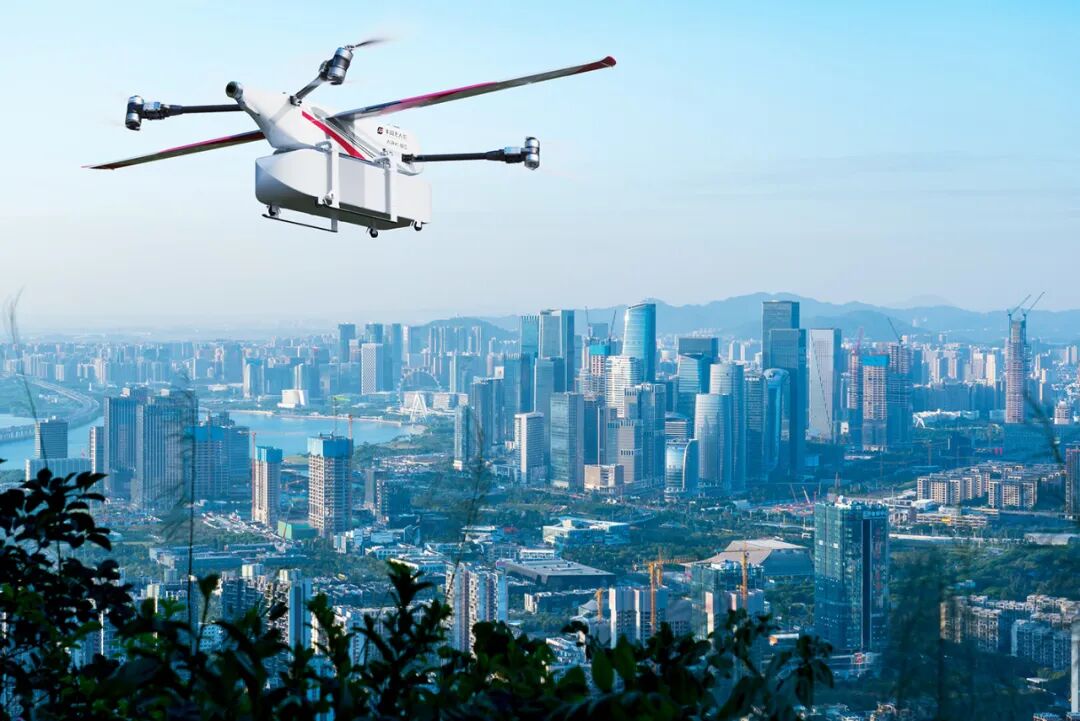
Core Insights - The U.S. military is struggling to keep pace with drone manufacturing capabilities compared to countries like China, despite efforts to accelerate production [1][3] - The ongoing Russia-Ukraine conflict has highlighted the rapid evolution in drone warfare, revealing that the U.S. is lagging behind in this area [3][4] Group 1: Manufacturing Challenges - The U.S. excels in producing large, expensive weapons like fighter jets and tanks but is unprepared for the rapid mass production of smaller, cheaper drones [3] - A significant challenge for the U.S. is the inability to use Chinese-made components in weapons due to security concerns, while domestic alternatives are significantly more expensive [3] Group 2: Market Position - Chinese companies dominate the consumer drone market, while U.S. manufacturers of first-person view (FPV) drones rely heavily on contracts from the Department of Defense, which currently do not include large-scale procurement [3] - The U.S. Department of Defense's "Replicator" initiative aims to produce 3,000 drones within two years, but this is a small fraction compared to China's production of tens of millions of small drones annually [3] Group 3: Policy and Implementation - The Pentagon announced a major policy shift on July 10 to accelerate the deployment of small drones across the military, aiming to equip thousands of drones to the forces [4] - Despite these initiatives, the U.S. military's implementation of drone policies and the resulting impacts remain uncertain, with a noticeable gap between current drone application and global trends [4]