外交对话

Search documents
委内瑞拉代总统证实近日同特朗普和鲁比奥通电话
Xin Hua She· 2026-02-04 06:01
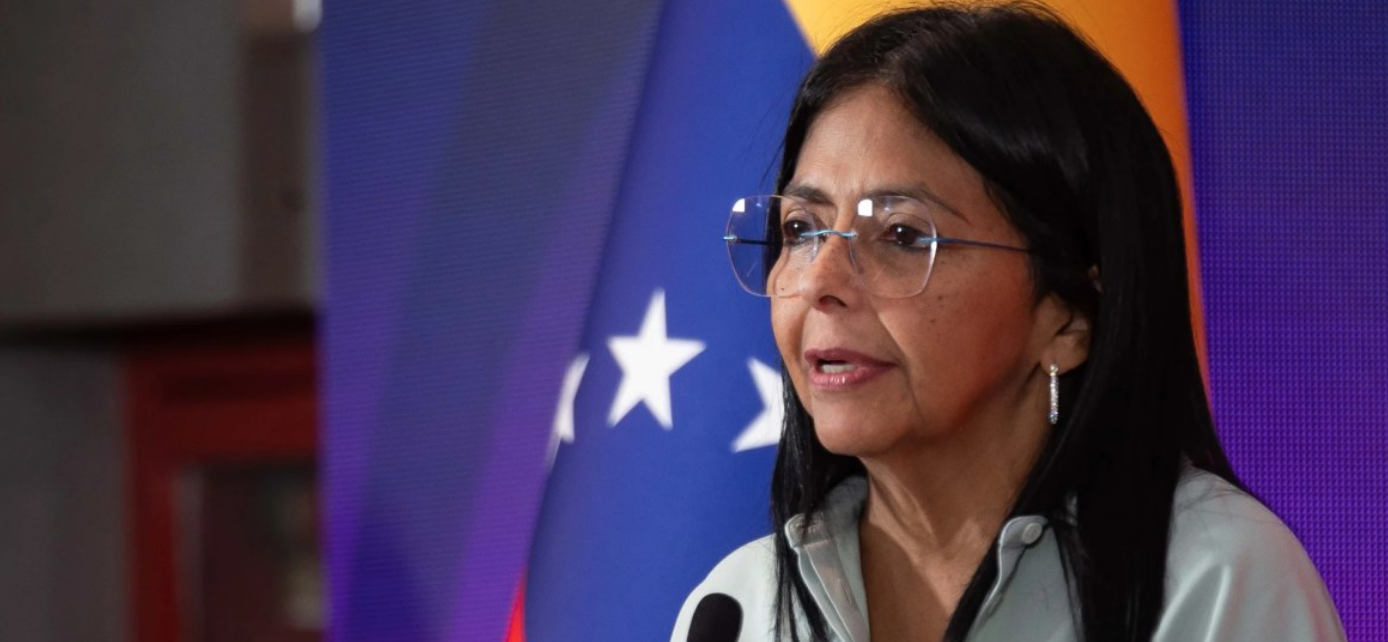
Core Viewpoint - The interim president of Venezuela, Delcy Rodríguez, confirmed recent communication with U.S. President Trump and Secretary of State Rubio to address bilateral differences, emphasizing the need for diplomatic dialogue and respect for international law [1]. Group 1: U.S.-Venezuela Relations - Rodríguez stated that the Venezuelan people are united against U.S. military actions, which began a month ago, and that a peaceful resolution through diplomacy is a common consensus among the Venezuelan populace [1]. - The U.S. military conducted a large-scale operation against Venezuela on January 3, forcibly detaining President Maduro and his wife, with Trump indicating that the U.S. will "manage" Venezuela until a "safe" transition is implemented [1]. Group 2: Economic Implications - Trump mentioned that major U.S. oil companies will enter Venezuela for investment purposes, indicating potential economic opportunities in the Venezuelan oil sector following the military intervention [1].
委代总统会见美外交使团团长 两国着手推进外交对话“路线图”
Xin Hua Wang· 2026-02-03 03:21
Core Points - Venezuela's interim president, Rodriguez, met with the head of the U.S. diplomatic mission, Laura Dogu, to advance a diplomatic dialogue "roadmap" aimed at addressing mutual concerns [1] - The Venezuelan Minister of News and Communication, Miguel Pérez Pirela, announced the appointment of Felix Plasencia as Venezuela's diplomatic representative to the U.S., who will lead a team to the U.S. in the coming days [1] - The Venezuelan presidential office stated that both governments are working on a roadmap to resolve issues based on mutual respect and international law [1] Group 1 - The meeting between Rodriguez and Dogu marks a significant step in U.S.-Venezuela relations, which have been strained since diplomatic ties were severed in January 2019 [1] - The U.S. established a diplomatic mission for Venezuelan affairs in Bogotá, Colombia, after the severance of ties, indicating a continued interest in Venezuelan issues from the U.S. perspective [1] - The context of the meeting includes a recent U.S. military operation against Venezuela, which involved the forced control of President Maduro and his wife, highlighting ongoing tensions and the U.S. intention to manage the situation in Venezuela [1]
伊朗外长:愿在相互尊重基础上开展外交 绝不接受威胁
Yang Shi Xin Wen Ke Hu Duan· 2026-02-02 22:48
Core Viewpoint - Iran's Foreign Minister Zarif emphasizes the country's openness to diplomatic dialogue, contingent upon equality and mutual respect as foundational principles [1] Group 1: Diplomatic Stance - Iran has never closed the door to diplomacy, but effective dialogue cannot coexist with threats, intimidation, or pressure [1] - Zarif warns that any dialogue must demonstrate the necessary respect towards the Iranian people, indicating that respect will be reciprocated [1] Group 2: Recent Developments - Following the failure of recent "conspiracies" against Iran, certain countries have signaled a willingness to engage in diplomatic contact [1] - Zarif expresses hope for tangible outcomes from diplomatic efforts in the near future, reinforcing Iran's commitment to its established diplomatic path [1]
约旦副首相与伊朗外长通电话 讨论地区局势
Xin Lang Cai Jing· 2026-02-02 18:02
Core Viewpoint - The conversation between Jordan's Deputy Prime Minister and Foreign Minister Safadi and Iranian Foreign Minister Zarif focused on bilateral relations and regional issues, particularly the Iranian nuclear issue, emphasizing the need for diplomatic solutions and dialogue [1] Group 1: Diplomatic Relations - Safadi highlighted the importance of relying on diplomacy and dialogue to resolve issues, expressing Jordan's support for efforts aimed at de-escalating conflicts and achieving regional peace [1] - Safadi stated that Jordan will not become a battleground for any regional war or a launchpad for military actions against Iran [1] Group 2: Regional Stability - Zarif appreciated Jordan's stance and its efforts towards achieving regional peace and stability [1] - Both parties agreed to continue communication regarding the developments in the region, the cessation of conflicts, and the promotion of diplomatic efforts [1]
委内瑞拉外长会见美外交使团团长
Huan Qiu Shi Bao· 2026-02-01 22:47
Group 1 - The core point of the article highlights the evolving diplomatic relations between the United States and Venezuela, with a focus on the recent appointment of Laura Dogu as the U.S. chargé d'affaires for Venezuelan affairs and the intention to establish a roadmap for mutual concerns through dialogue [1][3]. - The U.S. government aims to manage Venezuela until a "safe" transition occurs, with a three-phase roadmap set by Secretary of State Rubio: stabilizing the situation, promoting national recovery, and achieving a democratic transition [3]. - President Trump indicated a positive relationship with Venezuela's leadership, mentioning that U.S. oil companies are exploring opportunities in Venezuela, coinciding with a significant reform in Venezuela's oil policy to attract foreign investment [3][4]. Group 2 - The recent developments between the U.S. and Venezuela are paving the way for a geopolitical and economic transformation in Venezuela, although there are concerns regarding the potential for military action by the U.S. [4]. - The current environment remains unpredictable due to the U.S.'s aggressive stance, which may deter American oil companies from engaging in business activities in Venezuela in the near term [4].

美方临时代办抵达委内瑞拉
Xin Hua She· 2026-02-01 02:00
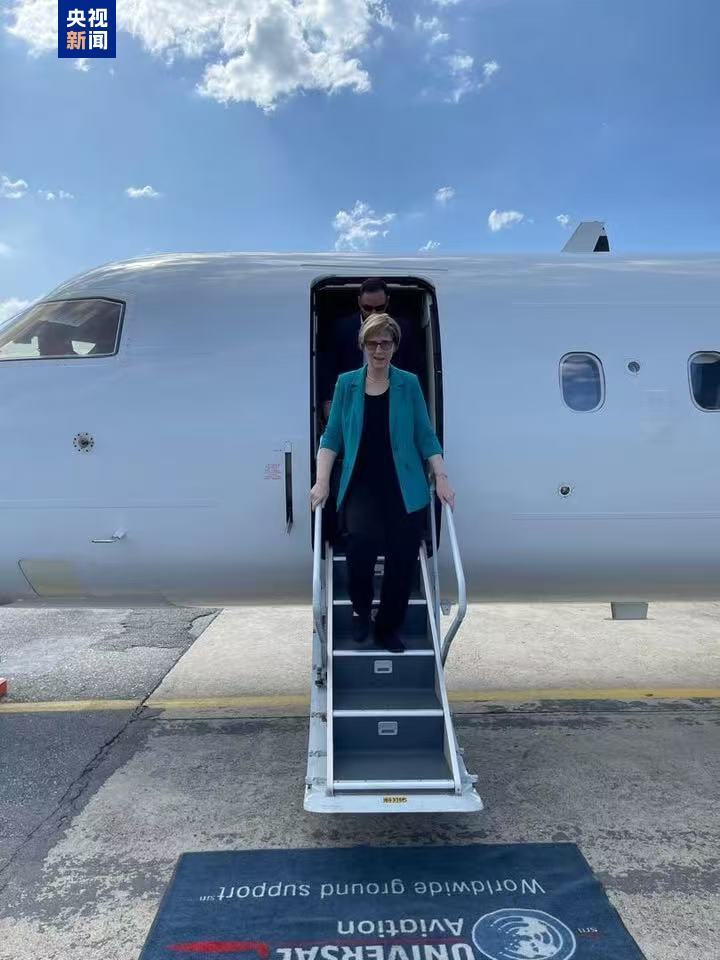
Core Viewpoint - The meeting between Venezuelan Foreign Minister Jorge Arreaza and U.S. chargé d'affaires Laura Dogu signifies a potential thaw in U.S.-Venezuela relations, focusing on establishing a roadmap for mutual concerns and resolving existing differences through diplomatic dialogue [1]. Group 1 - Laura Dogu's arrival in Caracas marks a significant diplomatic engagement, as she is the first U.S. official to visit Venezuela since the diplomatic break in 2019 [1]. - The agenda of the U.S.-Venezuela discussions aims to address common interests and establish a framework for dialogue based on mutual respect and international law [1]. - The U.S. has previously established a representative office for Venezuelan affairs in Bogotá, Colombia, following the closure of its embassy in Caracas in 2019 [1]. Group 2 - The context of the recent military actions by the U.S. against Venezuela, including the operation to detain President Maduro and his wife, indicates a heightened level of U.S. involvement in Venezuelan affairs [1]. - President Trump has expressed intentions to manage Venezuela until a "safe" transition occurs, suggesting potential opportunities for U.S. oil companies to invest in Venezuela [1]. - The U.S. State Department has sent a diplomatic delegation to Venezuela for assessment related to its diplomatic functions, indicating a renewed interest in re-establishing formal diplomatic relations [1].
委内瑞拉代总统重申在相互尊重原则下同美国开展外交对话
Jing Ji Guan Cha Wang· 2026-01-28 00:40
Group 1 - The core viewpoint of the article is that the Venezuelan government, represented by Acting President Rodriguez, is open to resolving differences with the U.S. through political and diplomatic channels [1] - Rodriguez emphasized that since January 3, Venezuela has proposed a work agenda based on direct communication and has established contact with U.S. President Trump and Secretary of State Rubio [1] - The Venezuelan government believes that differences between countries should be resolved through dialogue by the governments of sovereign and independent nations [1]
美国在中东密集调兵 伊朗处于“最高战备”状态 多方呼吁局势降温并通过对话解决分歧
Ren Min Ri Bao· 2026-01-27 22:28
Group 1 - The U.S. military has deployed the USS Abraham Lincoln carrier strike group to the Central Command area, which covers the Middle East, amid rising tensions with Iran, which has declared a "maximum readiness" state militarily [1] - The carrier strike group includes three guided-missile destroyers and various aircraft such as F-35C stealth fighters and F/A-18E/F fighter jets, with additional F-15E fighters and refueling aircraft sent to the region [1] - U.S. President Trump stated that the naval fleet near Iran is larger than that near Venezuela, while also mentioning that diplomacy remains an option and that Iran is interested in reaching an agreement [1] Group 2 - Iran has responded strongly to U.S. military pressure, asserting that the U.S. carrier will not deter its resolve to defend the nation, and has warned that any U.S. attack would target American bases in the region [2] - The Iranian government is working to stabilize domestic conditions and improve living standards while maintaining unity against external threats, with recent reports indicating that social order in Tehran is stabilizing [2] - Israel has maintained a state of high alert due to concerns over potential U.S. military actions against Iran, preparing for possible regional repercussions [2] Group 3 - There have been contacts between Iran and the U.S., but no established communication channels exist, and these interactions do not constitute negotiations [3] - The escalating tensions have drawn attention from various regional actors, with Hezbollah and other Iranian-supported groups warning against military actions that could lead to broader conflict [3] Group 4 - The international community has expressed opposition to interference in the internal affairs of other nations, advocating for dialogue to de-escalate tensions and resolve differences [4] - Countries like Saudi Arabia, Qatar, and Oman are committed to diplomatic mediation, while the UAE has stated it will not allow its territory to be used for military actions against Iran [4] - Russia has warned that any U.S. attack on Iran would severely destabilize the region and has called for restraint from all parties involved [4]
委内瑞拉代总统:面对与美分歧“毫无畏惧”
Yang Shi Xin Wen· 2026-01-22 00:45
Core Viewpoint - The interim president of Venezuela, Rodriguez, expresses a fearless stance in addressing differences with the United States and emphasizes ongoing dialogue with the Trump administration [2] Group 1 - Rodriguez stated that Venezuela is engaging in dialogue and cooperation with the United States to resolve differences and difficulties through diplomatic means, regardless of the sensitivity of the issues [2]
“内鬼”找到了?马杜罗亲密“发小”暴露
Xin Lang Cai Jing· 2026-01-17 10:33
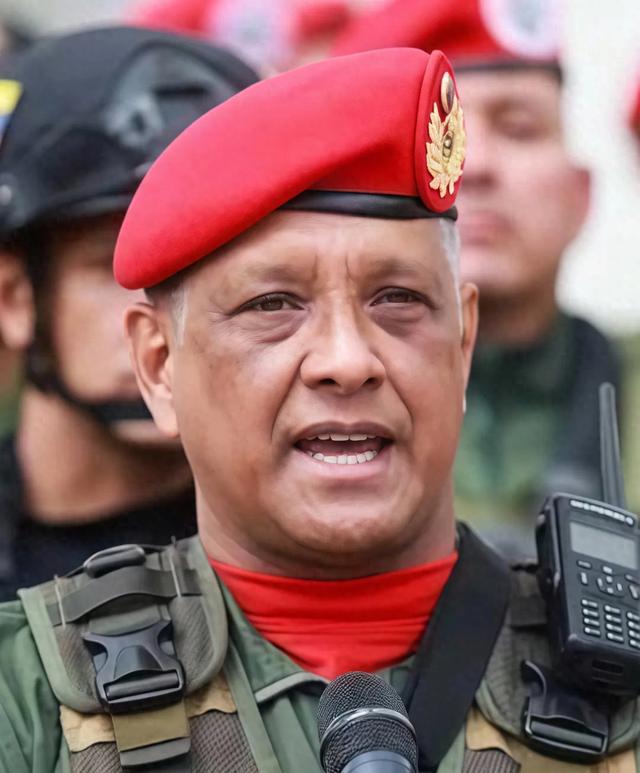
Core Viewpoint - The internal betrayal within the Venezuelan government, particularly by Major Javier Marcano Tavares, is highlighted as a significant factor in the U.S. military's successful operation to capture President Maduro and his wife [1][4]. Group 1: Betrayal and Internal Dynamics - Major Javier Marcano Tavares, a trusted aide to Maduro, is identified as the key figure who provided the U.S. with precise coordinates of Maduro's location and pointed out vulnerabilities in the presidential security system [4]. - Tavares allegedly instructed the shutdown of Caracas's air defense systems, facilitating the U.S. military's operation, which was executed with minimal resistance [4]. - Reports suggest that Tavares's betrayal may have been motivated by a $50 million bounty offered by the U.S., although he did not receive the payment after the operation was completed [4][5]. Group 2: U.S. Military Operation - The U.S. military operation to capture Maduro was planned and executed with the assistance of the CIA, which had been monitoring Maduro's movements for months [7]. - The operation was initially delayed due to weather conditions but was ultimately successful, with Trump confirming the capture of Maduro and his wife [6][7]. - The CIA's involvement included deploying a team to gather intelligence on Maduro's daily routines and utilizing drones for surveillance [7]. Group 3: Political Reactions and Future Directions - Following the operation, Venezuelan interim President Delcy Rodríguez called for reforms in the oil industry to attract foreign investment and stimulate economic recovery [9]. - Rodríguez emphasized the importance of diplomatic dialogue with the U.S. while prioritizing national sovereignty and unity in the face of external threats [11]. - The meeting between Rodríguez and CIA Director John Ratcliffe marks a significant diplomatic engagement following the military operation [11].