
石油行业改革

Search documents
In Venezuelan oil region, industry reform sparks both hope and skepticism
Reuters· 2026-02-02 20:07
Core Viewpoint - Venezuelan state oil company PDVSA's workers and retirees are optimistic that recent oil-industry reforms, influenced by U.S. intervention, will enhance their purchasing power amid declining wages and pensions [1] Group 1: Impact of U.S. Intervention - The U.S. intervention last month is expected to catalyze reforms in the oil industry, which could lead to improved economic conditions for workers and retirees [1] - Workers and retirees are particularly hopeful that these reforms will address the erosion of their wages and pensions, which have been significantly affected by economic challenges [1] Group 2: Economic Conditions - The current economic situation in Venezuela has led to a decline in the purchasing power of PDVSA employees, prompting a demand for reforms to stabilize their financial conditions [1] - The anticipated reforms are seen as a potential solution to the ongoing financial struggles faced by those dependent on the oil industry for their livelihoods [1]

美委将恢复商业航空往来
Sou Hu Cai Jing· 2026-01-30 22:36
Group 1 - American Airlines plans to resume daily flights to Venezuela, facilitating travel for business and leisure [1] - The Venezuelan government confirmed the restoration of commercial air traffic with the U.S., following a conversation between the interim president and President Trump [1] - The U.S. Department of Transportation had previously suspended all flights to Venezuela in May 2019 due to security concerns [1] Group 2 - On the same day as the resumption of flights, Venezuela's interim president signed a reform bill for the oil industry, allowing private and foreign investments [2] - The reform aims to strengthen the Venezuelan oil sector by updating participation mechanisms [2] - The new legislation grants foreign companies clear operational control over oil production enterprises, effectively reducing the role of the state-owned oil company [2]

Venezuela Signals a Historic Energy Reset as Oil Laws Open to Foreign Capital
Yahoo Finance· 2026-01-29 01:00
Core Viewpoint - Venezuela is on the verge of a significant energy shift, with proposed reforms to the Organic Hydrocarbons Law aimed at reshaping the oil and gas sectors to attract foreign investment and modernize the industry [1][2]. Group 1: Proposed Reforms - The reforms are currently being discussed in Venezuela's National Assembly and would fundamentally change the fiscal and contractual rules governing the oil and gas sectors [1]. - The new framework would allow external operators to engage more deeply in the production process, potentially increasing foreign investment [2]. - A significant aspect of the reform is the expansion of operational roles, allowing mixed enterprises and private Venezuelan companies to collaborate with state authorities on projects [3]. Group 2: Structural Changes - The reforms aim to create a dual-track system that aligns with the financial realities of Venezuela's oil industry, providing flexibility in structuring investment deals [4]. - The interim administration seeks to move away from the rigid investment framework that has historically constrained the sector [5]. - The proposed changes would permit state-owned companies to transfer operational responsibilities to private partners, marking a substantial shift in government policy [6][7]. Group 3: Operational Dynamics - The long-standing joint-venture system has been characterized by structural rigidity, with operational control remaining with state entities despite external partners providing capital and expertise [7]. - The reforms would enable hybrid operating models that are better suited to the complexities of oil projects, enhancing both construction and financing efforts [7].
委内瑞拉议会将讨论石油行业改革 势将打破国家垄断局面
Xin Lang Cai Jing· 2026-01-22 01:57
Core Viewpoint - Venezuela's legislative body is set to discuss reforms in the oil industry that could break the state's monopoly, allowing private companies to access and produce oil from the country's rich reserves [1][3]. Group 1: Proposed Reforms - The proposed amendments to the oil law will weaken the position of the state-owned company, Petróleos de Venezuela S.A. (PDVSA), granting private enterprises greater space to explore and sell oil while reducing their tax burdens [1][3]. - The reforms will allow companies to resolve legal disputes through international arbitration rather than local courts [1][3]. Group 2: Tax Changes - Oil royalties will decrease from 33% to 20%, and income tax will drop from 50% to 30% [2][4]. - These changes are aimed at attracting international oil companies back to Venezuela [2][4]. Group 3: Historical Context - The reforms will significantly impact a law enacted by the late leader Hugo Chávez in 2001, which effectively nationalized the oil industry and led to the exit of most foreign oil producers, including ConocoPhillips and ExxonMobil [2][4]. - The previous law mandated that PDVSA must hold a majority stake in joint ventures with private or foreign partners and granted the state-owned company a monopoly on oil production and sales, while also prohibiting international arbitration [2][4].
“内鬼”找到了?马杜罗亲密“发小”暴露
Xin Lang Cai Jing· 2026-01-17 10:33
Core Viewpoint - The internal betrayal within the Venezuelan government, particularly by Major Javier Marcano Tavares, is highlighted as a significant factor in the U.S. military's successful operation to capture President Maduro and his wife [1][4]. Group 1: Betrayal and Internal Dynamics - Major Javier Marcano Tavares, a trusted aide to Maduro, is identified as the key figure who provided the U.S. with precise coordinates of Maduro's location and pointed out vulnerabilities in the presidential security system [4]. - Tavares allegedly instructed the shutdown of Caracas's air defense systems, facilitating the U.S. military's operation, which was executed with minimal resistance [4]. - Reports suggest that Tavares's betrayal may have been motivated by a $50 million bounty offered by the U.S., although he did not receive the payment after the operation was completed [4][5]. Group 2: U.S. Military Operation - The U.S. military operation to capture Maduro was planned and executed with the assistance of the CIA, which had been monitoring Maduro's movements for months [7]. - The operation was initially delayed due to weather conditions but was ultimately successful, with Trump confirming the capture of Maduro and his wife [6][7]. - The CIA's involvement included deploying a team to gather intelligence on Maduro's daily routines and utilizing drones for surveillance [7]. Group 3: Political Reactions and Future Directions - Following the operation, Venezuelan interim President Delcy Rodríguez called for reforms in the oil industry to attract foreign investment and stimulate economic recovery [9]. - Rodríguez emphasized the importance of diplomatic dialogue with the U.S. while prioritizing national sovereignty and unity in the face of external threats [11]. - The meeting between Rodríguez and CIA Director John Ratcliffe marks a significant diplomatic engagement following the military operation [11].
委内瑞拉调整内阁人员 宣布启动液化石油气出口
Zhong Guo Xin Wen Wang· 2026-01-17 07:10
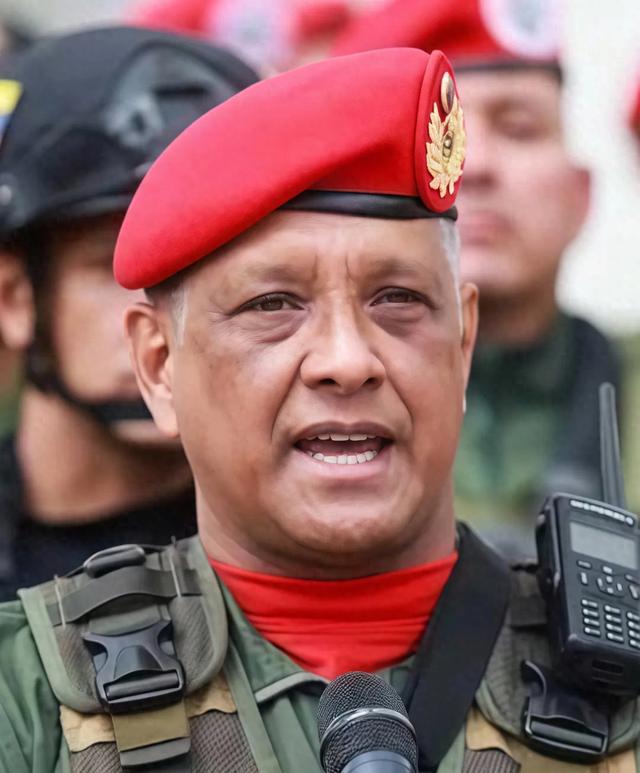
Group 1 - The interim president of Venezuela, Rodriguez, announced several cabinet appointments and adjustments, including the appointment of Rear Admiral Aníbal Coronado as Minister of Transportation and Freddy Niñez as Minister of Ecology [1] - Venezuela has officially launched liquefied petroleum gas (LPG) exports, having signed commercialization contracts for LPG [1] - The Ministry of Internal Trade and the Ministry of Industry and Production have been merged to form a new Ministry of Industry and Internal Trade, with a new minister appointed [1] Group 2 - Rodriguez called for the legislative body to approve a reform plan for the oil industry to attract more foreign investment and promote economic recovery during her address to the National Assembly [1] - The U.S. government has been exerting pressure on Venezuela's oil industry since the forced control of President Maduro and his wife [1]
委内瑞拉“内鬼”找到了 是马杜罗亲密“发小”!他被曝为美国5000万美元悬赏出卖马杜罗 事后美方却没给钱!
Mei Ri Jing Ji Xin Wen· 2026-01-16 22:30
Core Viewpoint - The internal betrayal within the Venezuelan government, particularly by Major Javier Marcano Tavares, is highlighted as a significant factor in the U.S. military's successful operation to capture President Maduro and his wife [1][2]. Group 1: Betrayal and Internal Dynamics - Major Javier Marcano Tavares, a close associate of Maduro, is identified as the "insider" who provided critical information to the U.S. regarding Maduro's location and security vulnerabilities [1][2]. - Tavares allegedly instructed the shutdown of Caracas' air defense systems, facilitating the U.S. military's operation, which was executed with minimal resistance [2]. - Reports suggest that Tavares' motivation for betrayal was a $50 million bounty offered by the U.S., although he did not receive the payment after the operation was completed [2]. Group 2: U.S. Military Operation - The U.S. military successfully executed a strike on January 3, capturing Maduro and his wife, following months of intelligence gathering by the CIA, which included deploying a team to monitor Maduro's movements [7][8]. - The operation was described as a result of deep cooperation between the CIA and U.S. military, involving extensive planning and the use of advanced surveillance technology [8]. - Prior to the operation, U.S. media outlets were aware of the planned strike but chose not to report it to protect military personnel [6]. Group 3: Political Reactions and Future Directions - Following the capture, Venezuelan interim President Delcy Rodríguez called for reforms in the oil sector to attract foreign investment and stimulate economic recovery [9]. - Rodríguez emphasized the importance of diplomatic engagement with various nations, including the U.S., to address historical conflicts and current threats [11]. - The U.S. has shown a willingness to engage with the new Venezuelan leadership, as indicated by the meeting between Rodríguez and CIA Director John Ratcliffe [11][12].
委内瑞拉“内鬼”找到了,是马杜罗亲密“发小”!他被曝为美国5000万美元悬赏出卖马杜罗,事后美方却没给钱!委代总统会见CIA局长
Mei Ri Jing Ji Xin Wen· 2026-01-16 15:56
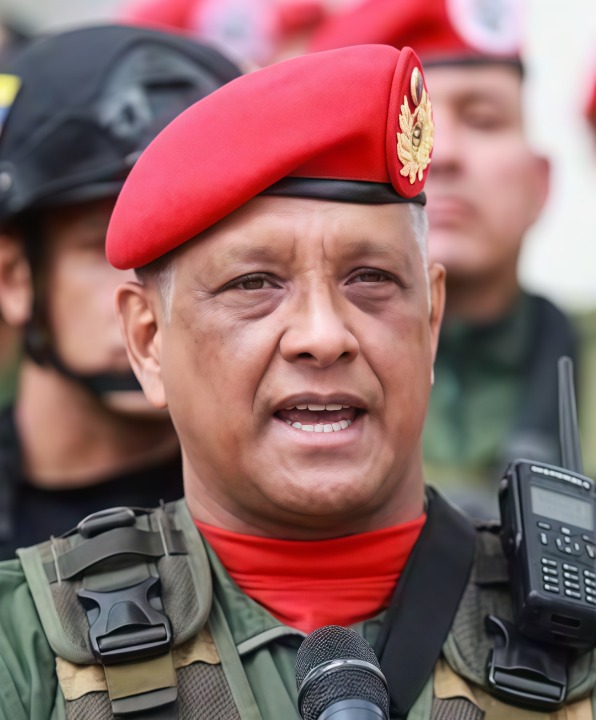
Core Viewpoint - The internal betrayal within the Venezuelan government, particularly by Major Javier Marcano Tavares, is highlighted as a significant factor in the U.S. military's successful operation to capture President Maduro and his wife, rather than a direct defeat by the U.S. forces [1]. Group 1: Betrayal and Internal Dynamics - Major Javier Marcano Tavares, a close associate of Maduro, is identified as the key figure who provided critical information to the U.S. regarding Maduro's location and security vulnerabilities [4]. - Tavares allegedly instructed the shutdown of air defense systems in Caracas, facilitating the U.S. military's operation, which was executed with minimal resistance [4]. - Reports suggest that Tavares's betrayal may have been motivated by a $50 million bounty offered by the U.S., although he did not receive the reward after the operation was completed [4][6]. Group 2: U.S. Military Operation - The U.S. military operation to capture Maduro was planned and executed with the assistance of the CIA, which had been monitoring Maduro's movements for months [9]. - The operation was initially delayed due to weather conditions but was ultimately successful, with Trump confirming the capture of Maduro and his wife [9][12]. - The CIA's involvement included deploying a team to gather intelligence on Maduro's daily routines and utilizing drones for surveillance [9]. Group 3: Political Reactions and Future Implications - Following the operation, the interim president of Venezuela, Delcy Rodríguez, called for reforms in the oil industry to attract foreign investment and stimulate economic recovery [10]. - Rodríguez emphasized the importance of diplomatic dialogue with the U.S. and other nations, advocating for a united front in addressing national threats [11]. - The visit of CIA Director John Ratcliffe to Venezuela post-operation signifies ongoing U.S. engagement with the new Venezuelan leadership [12].
委内瑞拉代总呼吁批准石油行业改革方案,以吸引更多外国投资
中国能源报· 2026-01-16 01:49
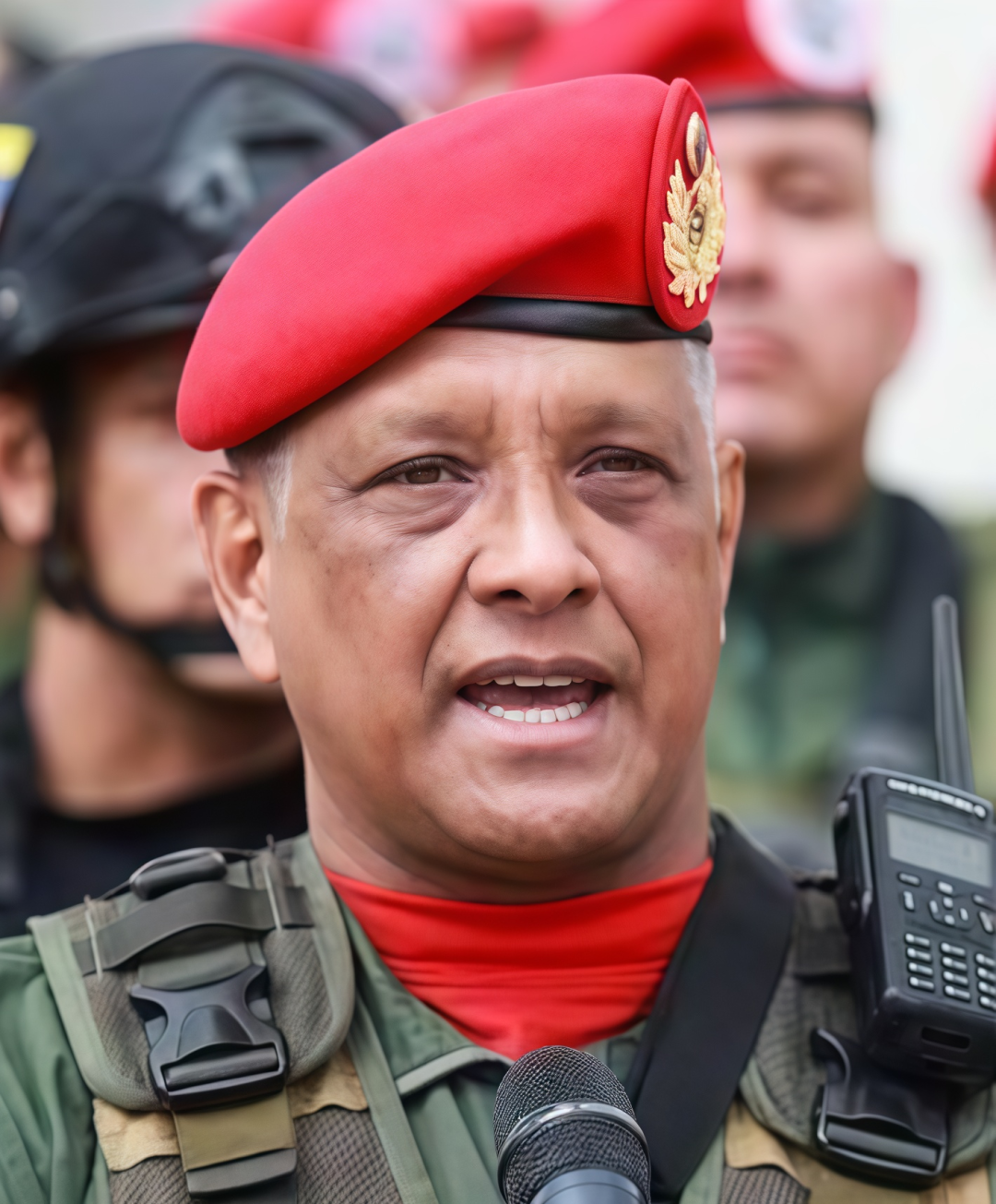
Economic Performance - In 2025, Venezuela achieved an economic growth rate of 8.5%, marking a historic achievement of 19 consecutive quarters of economic growth, positioning it as a leader in Latin America [1] - The hydrocarbon sector attracted nearly $900 million in investments, with oil production reaching 120,000 barrels per day [1] Industry Reforms - The interim president called for the legislative body to approve oil industry reform plans to attract more foreign investment and promote national economic recovery [1] - These reforms are expected to improve the operational environment of the oil industry and enhance the capacity for international cooperation [1] Diplomatic Relations - Venezuela asserts its right to establish relations with countries worldwide, including the United States, under mutual respect and international law [1] - The interim president emphasized that the Venezuelan people are not afraid of "Monroe Doctrine" and hegemonism, calling for national unity in the face of external threats [1]
【环球财经】委内瑞拉代总统呼吁推进石油行业改革以吸引外资
Xin Hua She· 2026-01-15 22:41
Core Viewpoint - The interim president of Venezuela, Delcy Rodríguez, is urging the legislative body to approve reforms in the oil industry to attract more foreign investment and stimulate economic recovery [1] Group 1: Oil Industry Reforms - The proposed reforms aim to improve the operational environment of the oil industry and enhance foreign cooperation capabilities [1] - Venezuela targets an oil production level of 1.2 million barrels per day by December 2025 [1] Group 2: Economic Utilization of Oil Revenue - Oil export revenues will primarily be used to support public health system development, promote economic growth, and advance infrastructure projects [1] Group 3: Foreign Relations Strategy - Venezuela is at a critical turning point and will explore more pragmatic and diversified foreign engagement methods [1] - The government emphasizes the importance of diplomatic dialogue based on mutual respect, including relations with the United States [1]