外交转向

Search documents
南美小国背信弃义,中国合同全部撕毁,要把关键矿产双手呈给美国
Sou Hu Cai Jing· 2025-12-20 04:35
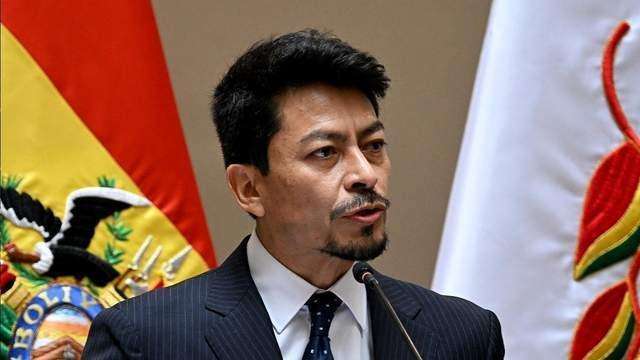
Core Viewpoint - Bolivia's new government has decided to terminate its cooperation agreement with China and shift its focus towards the United States, particularly in the lithium mining sector, following the unexpected election of a moderate political figure who ended nearly 20 years of leftist rule [1][5]. Group 1: Political Shift - The new Bolivian Foreign Minister, Aramayo, announced plans to reduce dependence on China, especially in lithium mining, by breaking China's monopoly and attracting more U.S. investment [3]. - The new president, Luis Arce, has restored diplomatic relations with the U.S. after 17 years, indicating a pro-American political orientation [5]. Group 2: Economic Implications - Bolivia is facing a critical economic situation with foreign reserves nearly depleted and inflation soaring to 23%, making the need for foreign investment urgent [7]. - The shift away from China could lead to a reduction or halt in Chinese investments, which have been crucial for Bolivia's lithium mining and infrastructure projects [7]. Group 3: U.S. Interests - The U.S. is keen to regain influence in Latin America, and Bolivia's lithium resources are vital for building a clean energy supply chain [5]. - The Bolivian government hopes to leverage U.S. investment and technology to enhance its position in the global lithium production chain, despite the complexities and potential political strings attached to U.S. assistance [7]. Group 4: Risks of the New Strategy - The new government's strategy of relying on the U.S. may backfire, as American investment often comes with stringent political and economic conditions, which could exacerbate Bolivia's already fragile economy [7]. - There is skepticism regarding the actual transfer of technology from the U.S., as it may not fulfill Bolivia's expectations and could lead to missed opportunities for industrial upgrades [7].