资源合作

Search documents
委内瑞拉现在成了美国的累赘,美国现在如愿以偿地得到了委内瑞拉的石油
Sou Hu Cai Jing· 2026-02-08 06:07
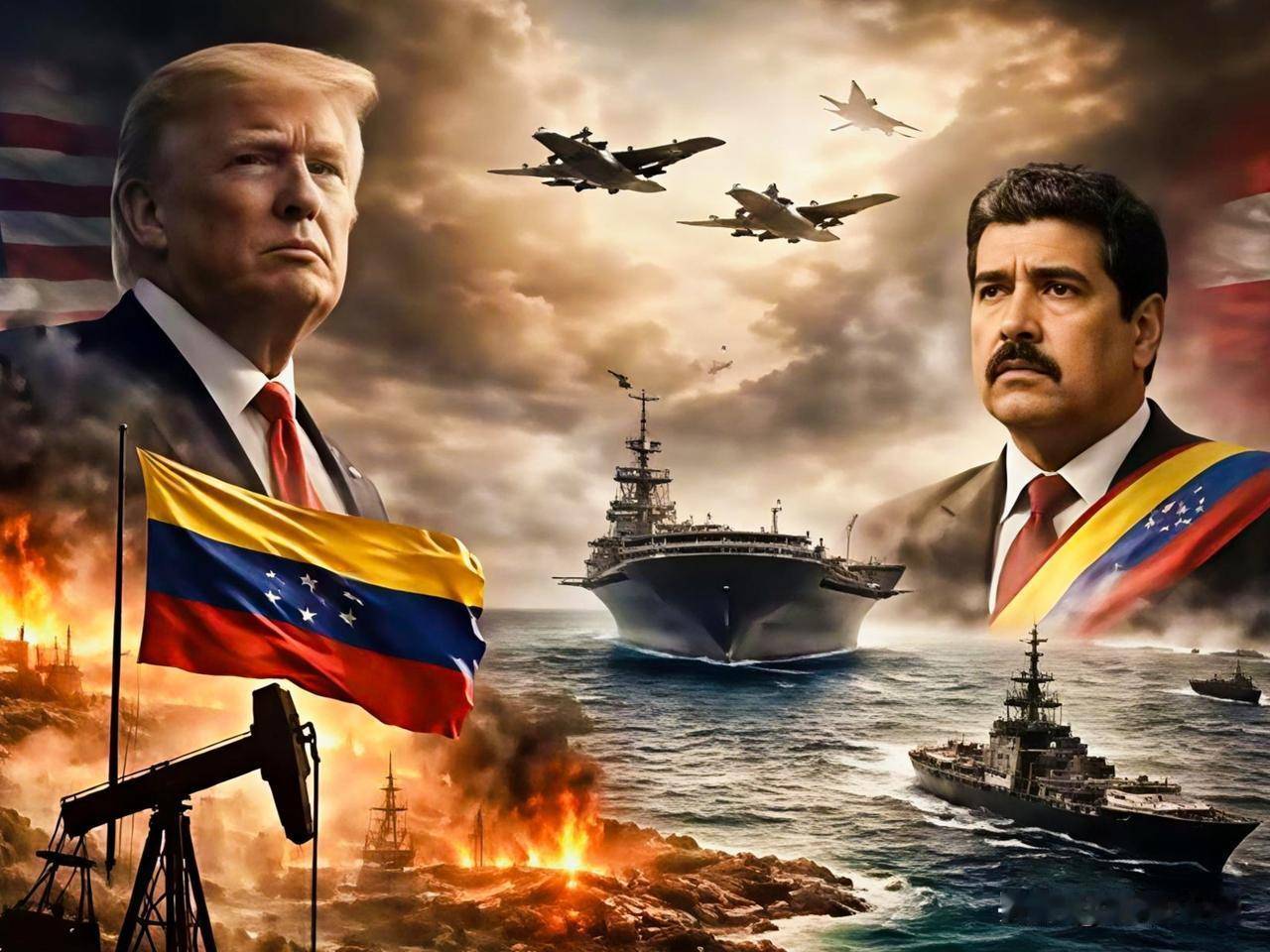
Group 1 - Venezuela has become a burden for the United States, which has gained access to its oil but faces challenges in selling and refining it [2] - The U.S. is now the sole distributor of Venezuelan oil, but its refineries lack the capacity to process the increased supply, leading to logistical issues [2] - In January, Venezuelan oil exports to the U.S. reached 284,000 barrels per day, a nearly threefold increase, but Chevron's refinery can only handle 150,000 barrels per day [2] Group 2 - China, once the largest buyer of Venezuelan oil, now accounts for only 0.07% of total imports, despite having the technology to process heavy oil [3] - Venezuelan oil production has plummeted from over 3 million barrels per day at its peak to less than 1 million barrels per day currently, with the Orinoco heavy oil belt producing only 410,000 barrels per day [3] - The cost of refining Venezuelan oil is high, ranging from $23 to $30 per barrel, and significant investment is needed to repair aging facilities, deterring international capital [3]

南美小国背信弃义,中国合同全部撕毁,要把关键矿产双手呈给美国
Sou Hu Cai Jing· 2025-12-20 04:35
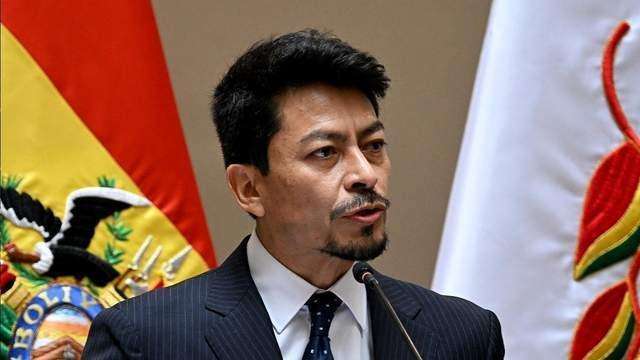
Core Viewpoint - Bolivia's new government has decided to terminate its cooperation agreement with China and shift its focus towards the United States, particularly in the lithium mining sector, following the unexpected election of a moderate political figure who ended nearly 20 years of leftist rule [1][5]. Group 1: Political Shift - The new Bolivian Foreign Minister, Aramayo, announced plans to reduce dependence on China, especially in lithium mining, by breaking China's monopoly and attracting more U.S. investment [3]. - The new president, Luis Arce, has restored diplomatic relations with the U.S. after 17 years, indicating a pro-American political orientation [5]. Group 2: Economic Implications - Bolivia is facing a critical economic situation with foreign reserves nearly depleted and inflation soaring to 23%, making the need for foreign investment urgent [7]. - The shift away from China could lead to a reduction or halt in Chinese investments, which have been crucial for Bolivia's lithium mining and infrastructure projects [7]. Group 3: U.S. Interests - The U.S. is keen to regain influence in Latin America, and Bolivia's lithium resources are vital for building a clean energy supply chain [5]. - The Bolivian government hopes to leverage U.S. investment and technology to enhance its position in the global lithium production chain, despite the complexities and potential political strings attached to U.S. assistance [7]. Group 4: Risks of the New Strategy - The new government's strategy of relying on the U.S. may backfire, as American investment often comes with stringent political and economic conditions, which could exacerbate Bolivia's already fragile economy [7]. - There is skepticism regarding the actual transfer of technology from the U.S., as it may not fulfill Bolivia's expectations and could lead to missed opportunities for industrial upgrades [7].
蒙古国最大铜矿卖给澳洲,甚至提出无理要求!不准卖给中国矿石?
Sou Hu Cai Jing· 2025-12-19 03:49
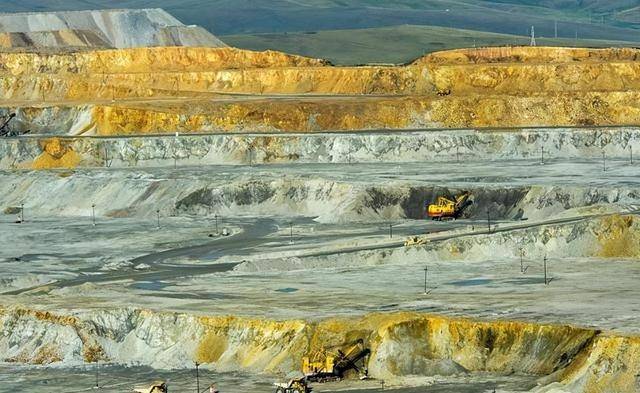
Group 1 - The Oyu Tolgoi copper mine in Mongolia has significant economic potential, with copper reserves exceeding 30 million tons and an estimated total value of over $1 trillion, which could greatly benefit Mongolia's economy through job creation and tax revenue [2][4] - The mine was discovered in 2001 by Ivanhoe Mines, which conducted extensive drilling and became the largest exploration project globally, with the resource expected to last over 50 years [4] - In 2009, Mongolia signed an investment agreement with a joint venture, Oyu Tolgoi LLC, where Rio Tinto, through its subsidiary Turquoise Hill Resources, holds a 66% stake, while the Mongolian government retains 34% [6][11] Group 2 - Mongolia aims to promote local processing of minerals rather than direct export, which is part of a broader strategy to diversify its economy and avoid the "resource curse" by developing manufacturing capabilities [8][9] - The partnership with Rio Tinto is seen as a way for Mongolia to enhance its international standing, although the collaboration has faced challenges, including rising costs and delays in project timelines [11][13] - The project has experienced significant delays, with costs escalating from an initial estimate of $5 billion to over $10 billion, and the underground mine only starting operations in 2023 [13][19] Group 3 - Mongolia's mining laws restrict the export of raw minerals to encourage local refining, but most copper concentrate is still sold to China, the world's largest copper consumer [15][21] - The partnership has faced disputes, including tax issues and demands for changes to the agreement, but a resolution in 2022 led to debt forgiveness and commitments for local employment and technology transfer [17][19] - As of 2023, the mine is operational, producing 160,000 tons of copper, with a target to become the fourth-largest copper mine globally by 2030, contributing over 10% to national tax revenue [19][21]

南美锂矿大国放弃中国,转向美国求合作,不想步委内瑞拉的后尘?
Sou Hu Cai Jing· 2025-12-18 04:42
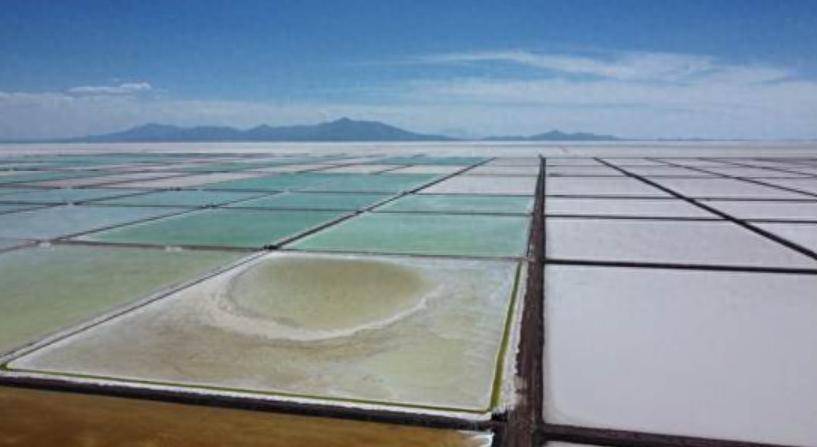
Group 1 - Bolivia is the country with the largest lithium reserves globally, exceeding 23 million tons, yet it produces less than 1% of the world's lithium due to technological and financial constraints [1][3] - The Chinese company CATL has signed a cooperation contract with the Bolivian government for lithium mining in the Uyuni salt flat, with an initial investment of $1 billion and plans to use advanced direct lithium extraction technology [1][3] - Bolivia is planning to establish a long-term partnership with the United States, potentially affecting existing contracts with Chinese companies, as the new Bolivian president, Rodrigo Paz, has a pro-American stance [3][5] Group 2 - Bolivia's economy is under significant pressure, facing severe inflation and a foreign exchange shortage, prompting the need to convert lithium resources into reliable foreign reserves, particularly US dollars [7] - The geopolitical context includes the US's increased focus on the Western Hemisphere and military actions in Venezuela, influencing Bolivia's decision to align more closely with the US for technology and foreign exchange [9]