
多边金融合作

Search documents
2025金融街论坛|变局下的国际金融治理新路径
Bei Jing Shang Bao· 2025-10-28 14:30
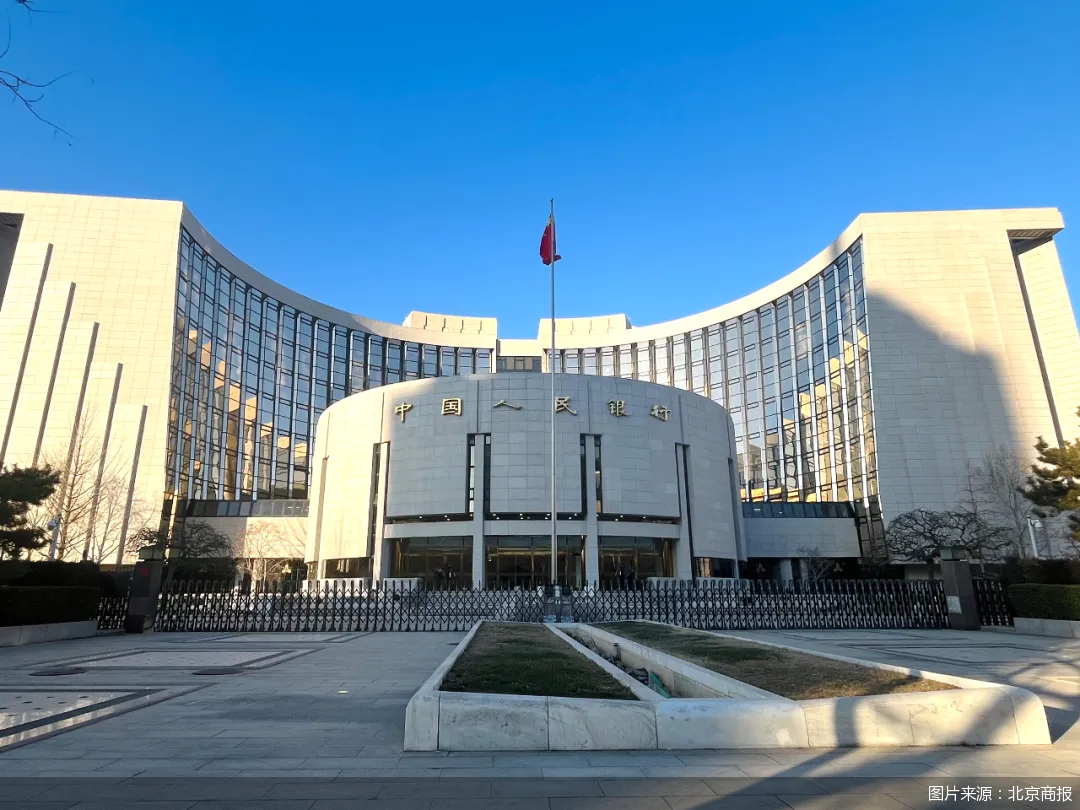
Core Viewpoint - The article emphasizes the urgent need for countries to engage in international financial governance and cooperation to maintain a rules-based international economic and financial order amidst rising global economic uncertainties [1][3]. Group 1: International Financial Governance - The current global economic landscape is characterized by unilateralism, which poses a challenge to the multilateral trade and governance systems [1]. - The People's Bank of China (PBOC) hosted a forum titled "International Financial Governance and Cooperation in Changing Circumstances" during the 2025 Financial Street Forum, highlighting the importance of global financial governance [1][3]. - Lu Lei, Deputy Governor of the PBOC, stressed that "cooperation for win-win outcomes" is a common theme for countries to address shared challenges, advocating for enhanced policy coordination and experience sharing [3]. Group 2: China's Role in Global Financial Governance - Yi Gang, former Governor of the PBOC, articulated China's contributions to international financial governance, emphasizing the need for China to continue participating in rule-making processes [3]. - Since the reform and opening-up, China has achieved significant economic growth and has become a core member of international financial governance, contributing to the construction of a global financial safety net [3][4]. - China's efforts include promoting reforms in the International Monetary Fund (IMF), leading sovereign debt coordination, and optimizing foreign exchange reserve management [3]. Group 3: Emerging Risks and Regulatory Cooperation - Yuyuan Wen, President of the Hong Kong Monetary Authority, discussed the new changes and risks in the global financial system, highlighting the importance of central banks and regulatory agencies sharing experiences and enhancing cooperation [4]. - He suggested that international organizations should coordinate global central banks and regulatory bodies to monitor emerging financial risks, such as non-bank financial intermediaries and digital assets [4]. - Liu Yuanchun, President of Shanghai University of Finance and Economics, pointed out that the core driving forces behind the transformation of international financial governance are economic and political structural changes, as well as technological revolutions [5].


邹加怡当选亚洲基础设施投资银行行长
Xin Hua Wang· 2025-08-12 05:49
Core Points - The Asian Infrastructure Investment Bank (AIIB) has elected Zou Jia-yi as its next president, with her five-year term starting on January 16, 2026 [1] - The announcement was made during the 10th annual meeting of the AIIB's Board of Governors [1] - The current president, Jin Liqun, will complete his second five-year term on January 15, 2026 [1] Background and Experience - Zou Jia-yi previously served as the Vice Minister of Finance in China and has played a significant role in promoting cooperation between China and major international financial institutions [1] - She has held positions as a director or deputy director in various organizations, including the World Bank Group, Asian Development Bank, New Development Bank, AIIB, and International Fund for Agricultural Development, showcasing her extensive multilateral cooperation experience [1]