天文研究

Search documents
新春走基层|中国这双望穿银河的眼睛 追星星的人
Xin Lang Cai Jing· 2026-02-14 06:12
Core Viewpoint - The Guo Shoujing Telescope, China's first large scientific facility in the field of astronomy, has made significant contributions to the understanding of the structure and evolution of the Milky Way and stellar physics, with a substantial amount of observational data generated since its operation began in September 2012 [1] Group 1 - The Guo Shoujing Telescope has released a total of 28.07 million spectral data and 11.59 million sets of stellar parameters, maintaining the largest data volume in the world [1] - The telescope is located in the Yanshan Mountains of Xinglong County, Chengde City, and is operated by a dedicated observation team that ensures precise observations and meticulous maintenance [1] - The telescope's operational timeline extends until the end of October 2025, indicating ongoing research and data collection efforts [1]
郭守敬望远镜发布数据量世界第一
Xin Hua Wang· 2025-11-05 04:44
Core Insights - The Guo Shoujing Telescope, China's first large-scale astronomical facility, is making significant contributions to the understanding of the universe, with a total of 28.07 million spectral data and 11.59 million stellar parameters published by October 2025, leading the world in data volume [1] Group 1: Technological Advancements - The Guo Shoujing Telescope represents a breakthrough in astronomical research, allowing scientists to analyze stellar spectra, akin to measuring the "DNA" of celestial bodies, thus reconstructing the history of the Milky Way [2] - The telescope's core component, special wide-spectrum optical fibers, was previously monopolized by foreign entities. The telescope is equipped with 4,000 fiber positioning units, enabling simultaneous data acquisition from 4,000 different celestial objects, crucial for large-scale spectral surveys [3] Group 2: Scientific Contributions - In the past year, data from the Guo Shoujing Telescope has led to the publication of 417 papers, including one cover article in "Science" and nine in "Nature" sub-journals, marking a historical high [4] - The data has been utilized by over 1,800 researchers from 300 global institutions, with approximately 170TB of data downloaded and 3.73 million queries on the data release website, significantly expanding human understanding of the universe [4] Group 3: Future Prospects - The Guo Shoujing Telescope is currently in a phase of high scientific output, continuously contributing to cosmic exploration [5] - The telescope's team is advancing technology upgrades, achieving breakthroughs in key technologies, and developing domestically produced astronomical special wide-spectrum optical fibers, which have completed initial testing [6] - The technological advancements of the Guo Shoujing Telescope have broader strategic significance, validating China's capabilities in autonomous research and development in optical systems and fostering the growth of related industries [7]
科学与健康|发布数据量世界第一!郭守敬望远镜用光谱解码宇宙
Shang Hai Zheng Quan Bao· 2025-11-04 11:36
Core Insights - The Guo Shoujing Telescope has become the world's leading astronomical facility in terms of data volume, with a total of 28.07 million spectral data and 11.59 million stellar parameters published by October 2025 [1] Group 1: Technological Advancements - The Guo Shoujing Telescope represents a significant advancement in astronomical research, transitioning from basic imaging to detailed spectral analysis, akin to measuring the "DNA" of celestial bodies [2] - The telescope's core technology, specifically the special wide-spectrum optical fibers, has been successfully localized, overcoming previous foreign monopolies [3] Group 2: Scientific Contributions - In the past year, data from the Guo Shoujing Telescope has led to the publication of 417 research papers, including notable articles in prestigious journals such as "Science" and "Nature" [4] - The telescope's data has been utilized by over 1,800 researchers from 300 institutions globally, with approximately 170TB of data downloaded and 3.73 million queries on the data release website [4] Group 3: Future Prospects - The Guo Shoujing Telescope team is focused on continuous technological upgrades, achieving breakthroughs in key technologies and fostering the development of related industries in high-precision optical components and software algorithms [7] - The advancements made with the Guo Shoujing Telescope are expected to have broader strategic implications beyond astronomy, enhancing China's capabilities in various high-tech fields [7]
发布数据量世界第一!郭守敬望远镜用光谱解码宇宙
Xin Hua Wang· 2025-11-04 11:07
Core Insights - The Guo Shoujing Telescope has achieved a world-leading data output, with a total of 28.07 million spectral data and 11.59 million stellar parameters published by October 2025 [1][2] - The telescope represents a significant advancement in astronomical research, allowing for detailed analysis of celestial bodies through spectral data, akin to "measuring their DNA" [2] - The telescope has contributed to 417 published papers in the past year, including notable articles in prestigious journals, indicating its impact on global scientific research [3] Technological Advancements - The Guo Shoujing Telescope utilizes domestically produced special wide-spectrum optical fibers, overcoming previous foreign monopolies in this technology [2] - The telescope is equipped with 4,000 fiber positioning units, enabling simultaneous data collection from 4,000 different celestial objects, which is crucial for large-scale spectral surveys [2] - The development of this technology has broader implications, enhancing China's capabilities in optical systems and precision manufacturing, and fostering the growth of related industries [4] Contribution to Astronomy - The data from the Guo Shoujing Telescope has been utilized by over 1,800 researchers from 300 institutions globally, with approximately 170TB of data downloaded [3] - The telescope's findings are expanding human understanding of the universe, contributing to research on galaxy formation, dense celestial bodies, and exoplanets [3] - The collaborative efforts in astronomical observation are creating a comprehensive understanding of the universe, integrating various observational techniques [4]


【中国新闻网】郭守敬望远镜发布数据量世界第一 多项关键技术实现中国自主研发
Zhong Guo Xin Wen Wang· 2025-11-04 02:30
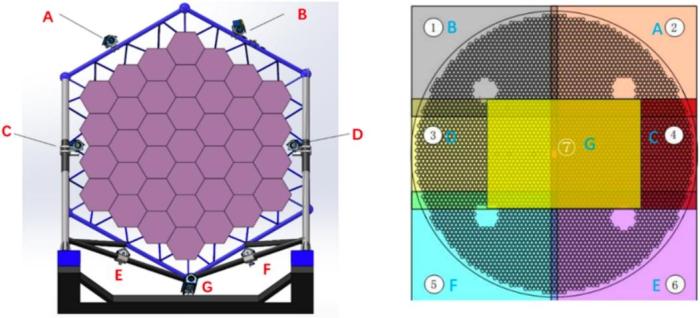
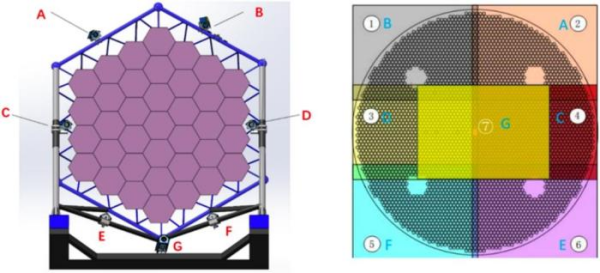
Core Insights - LAMOST, China's first large-scale astronomical facility, has achieved significant advancements in data production and technology development, with a total of 28.07 million spectra and 11.59 million stellar parameters expected to be released by October 2025, maintaining the world's largest data volume in this field [4] - The LAMOST data has facilitated groundbreaking research in areas such as the formation and evolution of the Milky Way, compact celestial bodies, and exoplanets, with 417 papers published in the past year, marking a historical high [4] - The LAMOST team has successfully transitioned several key technologies from reliance on imports to domestic production, including the development of domestically produced astronomical specialty wide-spectrum optical fibers and improvements in fiber positioning accuracy [4][5] Data Production and Sharing - As of November 3, 2023, LAMOST has shared data with over 1,800 users from 300 institutions globally, resulting in approximately 170 terabytes of data downloaded and 3.73 million queries on the data release website [4] - The ongoing scientific output from LAMOST is at a peak, contributing significantly to humanity's exploration of the universe [4] Technological Advancements - LAMOST has developed a new closed-loop detection system for fiber positioning, achieving over 97.7% accuracy within 0.4 arc seconds, significantly enhancing operational stability and efficiency [6] - The innovative active optical technology developed by LAMOST, which combines both splicing and deformation, is crucial for the telescope's optical performance and successful survey operations [6][7] - The domestically produced displacement actuators meet LAMOST's technical requirements and are at the forefront of international standards, contributing to the overall advancement of China's optical and precision manufacturing industries [7]
郭守敬望远镜发布数据量世界第一 多项关键技术实现中国自主研发
Zhong Guo Xin Wen Wang· 2025-11-03 11:20
Core Insights - The Guo Shoujing Telescope (LAMOST) has achieved the highest volume of astronomical data globally, with a total of 28.07 million spectra and 11.59 million stellar parameters published by October 2025 [2][4] - LAMOST's data sharing has been effective, with over 1,800 users from 300 institutions globally utilizing the data, resulting in approximately 170,000 GB of data downloads and 3.73 million queries on the data release website [2][4] - The telescope has contributed to significant breakthroughs in fields such as galaxy formation, compact objects, and exoplanets, with 417 papers published in the past year, marking a historical high [4] Technological Advancements - LAMOST has transitioned several key technologies from reliance on imports to independent Chinese development, including the domestication of astronomical special wide-spectrum fibers and improvements in fiber positioning accuracy [4][6] - The development of a new closed-loop detection system for fiber positioning has enhanced stability and efficiency, achieving over 97.7% positioning accuracy within 0.4 arc seconds, significantly improving operational precision [7][9] - The innovative active optics technology, which combines both splicing and deformation, is crucial for the telescope's optical performance and scientific output, with domestically developed displacement actuators meeting international standards [7][9] Industry Impact - The advancements in LAMOST's technology not only demonstrate China's capabilities in autonomous research and development but also stimulate the growth of related industries, including high-precision optical components and precision machinery manufacturing [9] - The successful implementation of domestically produced components is expected to enhance the competitiveness of China's astronomical research and potentially expand into international markets [6][9]