天然气负价

Search documents
欧美能源市场“冰火两重天”:得州天然气陷负价泥潭,欧洲深陷保供焦虑
第一财经· 2026-03-23 14:39
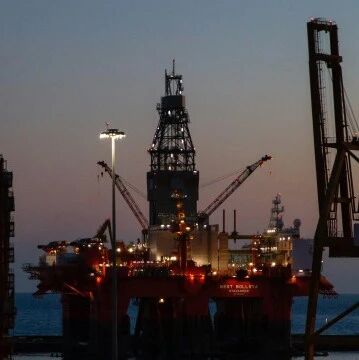
Core Viewpoint - The article discusses the contrasting situations of natural gas markets in the U.S. and Europe, highlighting the oversupply issue in Texas leading to negative pricing, while Europe faces soaring gas prices due to geopolitical tensions [3][5]. Group 1: U.S. Natural Gas Market - In early 2026, the benchmark natural gas price in the Permian Basin has been trading in negative territory, with prices dropping to -9.75 USD per million British thermal units, potentially reaching -10 USD later this year [3][5]. - The negative pricing phenomenon is attributed to the unique production structure in West Texas, where natural gas is primarily a byproduct of oil extraction, leading to oversupply as oil production remains high [5][6]. - Infrastructure limitations in transporting natural gas have resulted in producers either burning excess gas or paying fees to offload it, as they are reluctant to shut down profitable oil wells [5][6]. Group 2: European Natural Gas Market - European natural gas futures have surged to 61.8 EUR per megawatt-hour, more than doubling in a month, prompting the EU to urge member states to lower gas storage targets [3][8]. - The EU's gas storage levels are critically low, with only 28.5% capacity filled as of March 23, compared to a mandated 90% target for winter [8][10]. - The EU is facing increased competition from Asia for LNG supplies, which may drive up prices and complicate the EU's ability to replenish gas reserves [9][10]. Group 3: Policy Responses - To mitigate price spikes and ensure supply security, the EU is considering policy adjustments, including lowering gas storage targets to 80% and extending deadlines for achieving these targets [10]. - The EU's energy commissioner has advised member states to avoid rushing to replenish depleted gas reserves, suggesting a phased approach to storage [10].