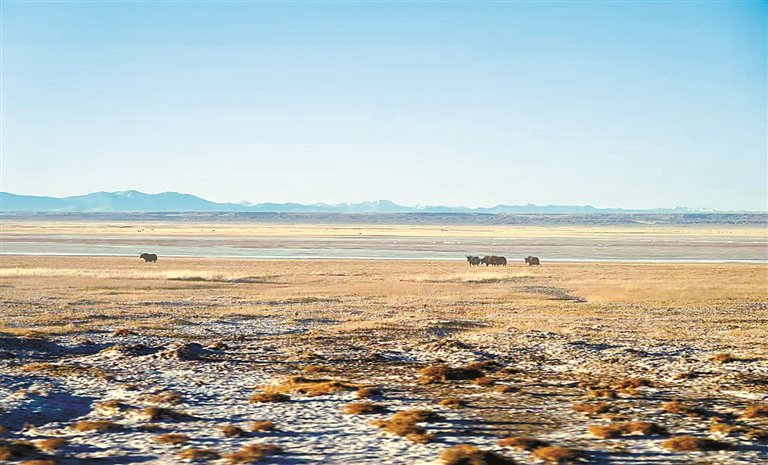
天空地一体化监测系统

Search documents
虎豹归林 生机盎然
Xin Lang Cai Jing· 2026-03-09 19:29
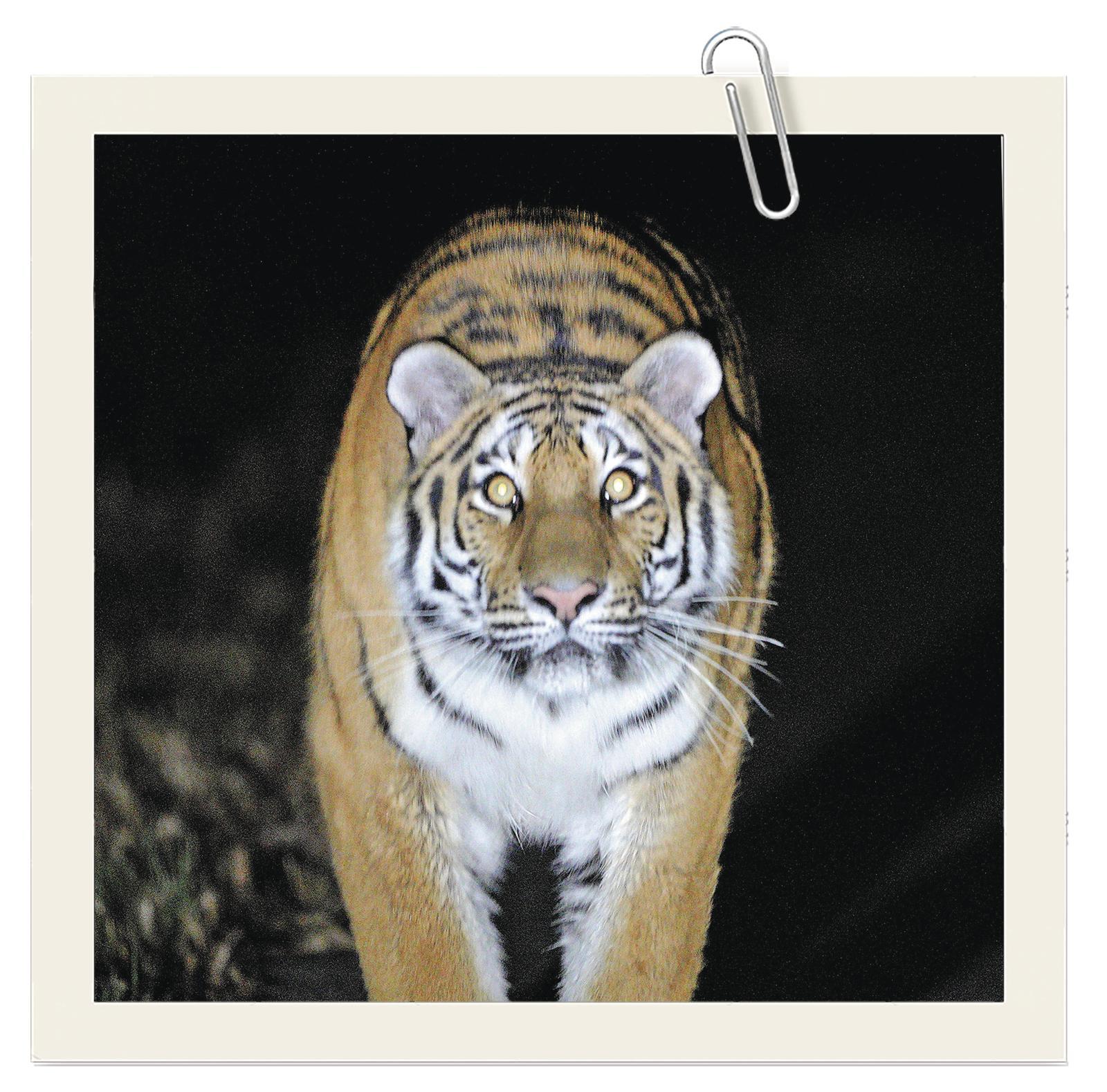
Core Viewpoint - The Northeast Tiger and Leopard National Park has seen significant improvements in wildlife monitoring and conservation efforts, leading to a notable increase in the populations of both the Northeast tiger and leopard over the past five years [11]. Group 1: Wildlife Monitoring and Technology - The number of infrared cameras in the monitoring area has increased to 5,746, allowing for real-time data transmission and AI species identification with over 90% accuracy [6]. - The integration of a "sky-ground" monitoring system has transformed the ability to track wildlife, making the forest "transparent" for researchers [6]. Group 2: Conservation Success Stories - The population of wild Northeast tigers has grown to approximately 70, and Northeast leopards to around 80, effectively doubling since the park's establishment [11]. - Individual stories of animal rescue, such as the rehabilitation of a fawn named "Zhao Lele" and a bear cub, highlight the personal commitment of conservation staff [5][7]. Group 3: Community Engagement and Safety - A 24-hour warning system has been implemented to alert villagers of nearby tiger and leopard movements, with 12,000 alerts issued since 2022 [11]. - Efforts to educate and engage local communities have shifted perceptions, reducing fear and resistance towards the presence of tigers [11]. Group 4: Future Aspirations - The park aims to see more tiger mothers with cubs in the wild and an increase in the density of hoofed animals in the coming years [12].


阿尔金山保护区生态持续向好,野生动物种群恢复显著
Xin Lang Cai Jing· 2026-01-02 00:56
Core Insights - The article highlights the ecological protection efforts in the Altyn-Tagh National Nature Reserve, emphasizing the successful restoration of wildlife and vegetation in the region [2][3]. Group 1: Ecological Protection Efforts - The Altyn-Tagh, Qiangtang, and Sanjiangyuan national nature reserves form the largest wilderness area on the Tibetan Plateau, focusing on the protection of rare wildlife such as Tibetan antelope, wild yak, and Tibetan wild donkey [2]. - Significant measures have been implemented to alleviate ecological pressure from activities like grazing and mining, including relocating 407 herders from the Qiman Tag area to lower altitudes [3]. - The introduction of a "sky-ground integrated" monitoring system has enhanced ecological protection, utilizing satellite remote sensing, wireless monitoring, and drone patrols to expand monitoring capabilities [3][4]. Group 2: Technological Advancements - The monitoring system established in Naqu City employs solar energy and satellite transmission for real-time monitoring, even in extreme winter conditions [4]. - The use of infrared cameras has proven effective in wildlife monitoring, allowing for precise identification of snow leopards through unique patterns on their fur [5]. - The integration of technology in ecological monitoring has reduced the manpower burden while improving data accuracy and response times [5]. Group 3: Community Involvement - The local community has actively participated in ecological restoration, with herders adapting to new lifestyles while contributing to wildlife conservation efforts [3]. - The narrative of the herders reflects a shared commitment to protecting the environment, highlighting the cultural connection to the land and its wildlife [5].