央国企融资

Search documents
近半月已有4家央国企开发商宣布融资计划,合计规模超130亿元
Sou Hu Cai Jing· 2025-10-20 01:23
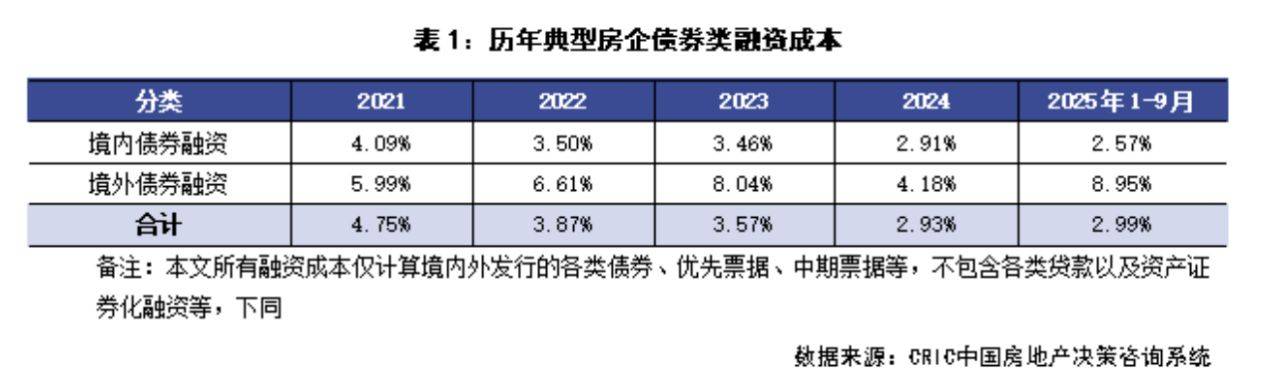
Core Viewpoint - Recent financing activities by central state-owned enterprises (SOEs) in the real estate sector have accelerated, with a total of over 13 billion yuan raised in the past two weeks, indicating a shift in the financing structure of the industry [1][2][6]. Financing Activities - China Overseas Land & Investment announced a plan to issue 3 billion yuan in medium-term notes, with funds allocated for 21 wholly-owned projects in cities like Beijing and Shenzhen [1]. - China Resources Land plans to issue 2.5 billion yuan in medium-term notes, primarily to repay existing debts [1]. - Poly Developments disclosed a 3 billion yuan medium-term note plan, allowing for dual-directional adjustments between two varieties [2]. - Huafa Group successfully issued 4.8 billion yuan in targeted convertible bonds, with a six-year term and a gradually increasing interest rate, to fund residential projects in Shanghai, Wuxi, and Zhuhai [2]. Financing Structure and Trends - Data from CRIC shows that the total financing for 65 typical real estate companies from January to September was 317.15 billion yuan, a year-on-year decrease of 28% [6]. - In September, domestic bond financing for real estate companies reached 27.12 billion yuan, a month-on-month increase of 5.6% but a year-on-year decrease of 39.9% [6]. Regulatory Compliance - Companies have emphasized that raised funds will adhere to strict regulatory principles, prohibiting use for land payments, mergers, "land king" projects, or development in third- and fourth-tier cities [6]. - Huafa Group specifically stated that 3.6 billion yuan of idle funds will only be used to temporarily supplement working capital for core business needs [6]. Market Dynamics - The acceleration of financing by central SOEs is expected to optimize their balance sheets and support project commencement and delivery, particularly in residential projects [6]. - Market differentiation is evident, with a significant proportion of credit bond financing from central SOEs being well-recognized in the market [7]. - Potential risks include high land costs for central SOE projects, which may necessitate reasonable pricing strategies to ensure timely capital recovery if market recovery is slower than expected [7].