套息交易反转风险

Search documents
赵伟:日本宽财政,市场忽视了什么
Di Yi Cai Jing· 2025-12-03 03:16
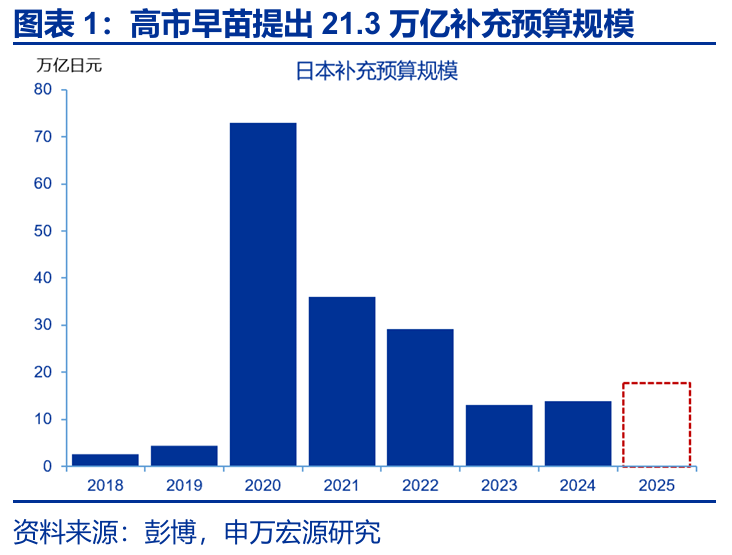
Core Viewpoint - Japan's combination of expansive fiscal policy and tight monetary policy may lead to risks of a reversal in carry trades, necessitating vigilance regarding the Bank of Japan's hawkish stance and the Federal Reserve's dovish periods [1] Group 1: Economic Stimulus Plan - The Japanese government has introduced an economic stimulus plan totaling 21.3 trillion yen (approximately 135 billion USD), slightly above market expectations but lower than 2022 levels [1] - The stimulus plan focuses on three main areas: 11.7 trillion yen (55%) for inflation subsidies and livelihood support, 7.2 trillion yen (34%) for strategic industry investments, and 1.7 trillion yen (8%) for defense and diplomacy [4] - The fiscal stimulus may increase Japan's deficit ratio to 3% by 2026, with Japan's deficit expected to expand by 1.77 percentage points, compared to 1 percentage point for the U.S. and 0.84 percentage points for Germany [4] Group 2: Impact on GDP and Inflation - The fiscal stimulus is projected to boost Japan's GDP growth rate by 0.5 percentage points in 2026, although the impact is expected to be lower than that of the U.S. and Germany [5] - Japan's fiscal multiplier is low at 0.27, compared to an average of 0.8 for developed economies, which contributes to the lower effectiveness of the stimulus [5] - The stimulus may temporarily lower overall inflation but could increase core inflation pressures due to rising demand [6][7] Group 3: Monetary Policy and Carry Trade Risks - The combination of fiscal expansion and cautious monetary tightening may increase the risk of a reversal in carry trades, as the narrowing U.S.-Japan interest rate differential diminishes the profitability of such trades [10][11] - The 2-year U.S.-Japan interest rate differential has decreased from 3.7% at the beginning of the year to 2.5%, heightening the risk of carry trade reversals [11] - The potential for increased volatility in the currency and bond markets may trigger risks of carry trade unwinding, particularly during periods of policy mismatch between the Bank of Japan and the Federal Reserve [11]