奢侈品行业变革

Search documents
开云集团砍掉美妆业务,欧莱雅332亿“接盘”
凤凰网财经· 2025-10-21 12:59
Core Insights - Kering Group has undergone significant business adjustments under the new CEO, Luca de Meo, including a strategic partnership with L'Oréal in the luxury beauty and health sector, involving a transaction valued at €4 billion (approximately ¥33.2 billion) [3][5] - The sale of Kering Beauté, which includes the Creed perfume brand and exclusive rights to Gucci, Bottega Veneta, and Balenciaga's beauty products, marks a shift in Kering's strategy as it focuses on core brands amidst a challenging luxury goods market [3][5][8] Group 1: Business Strategy Changes - Kering Group previously viewed its beauty business as a key growth driver, having acquired the Creed brand for approximately €3.5 billion and established a beauty division in 2021 [5][6] - The recent sale of the beauty business is seen as a cash-out strategy and a self-rescue move, allowing Kering to concentrate on its core brands [8][9] - Luca de Meo emphasized the need for immediate action to adapt to changing market demands, including reducing leverage, cutting costs, and rationalizing business operations [8][9] Group 2: Financial Performance - Kering Group's revenue declined from €20.35 billion in 2022 to €17.19 billion in 2024, with net profit dropping from €3.61 billion to €1.13 billion during the same period [10][11] - In the first half of 2025, Kering's revenue fell by 16% to €7.59 billion, and net profit decreased by 46% to €474 million [11] - The beauty business, while a growth highlight in 2024 with revenue of €323 million, only accounted for 1.9% of total revenue, insufficient to offset declines in core brands [12][13] Group 3: Brand Focus and Future Challenges - Bottega Veneta was one of the few brands to show growth, with a 4% increase in revenue to €1.71 billion in 2024, while Gucci's revenue fell significantly, impacting overall performance [12][13] - The immediate priority for Kering is to revitalize Gucci and other main brands, focusing on product innovation and customer engagement to regain market position [15][16] - The challenge for Kering's new CEO will be balancing short-term financial stability with long-term strategic goals, particularly in enhancing the brand image of Gucci [16]

连线五大时奢巨头:关税当前,提价、否认还是“无可奉告”?
Mei Ri Jing Ji Xin Wen· 2025-04-23 13:53
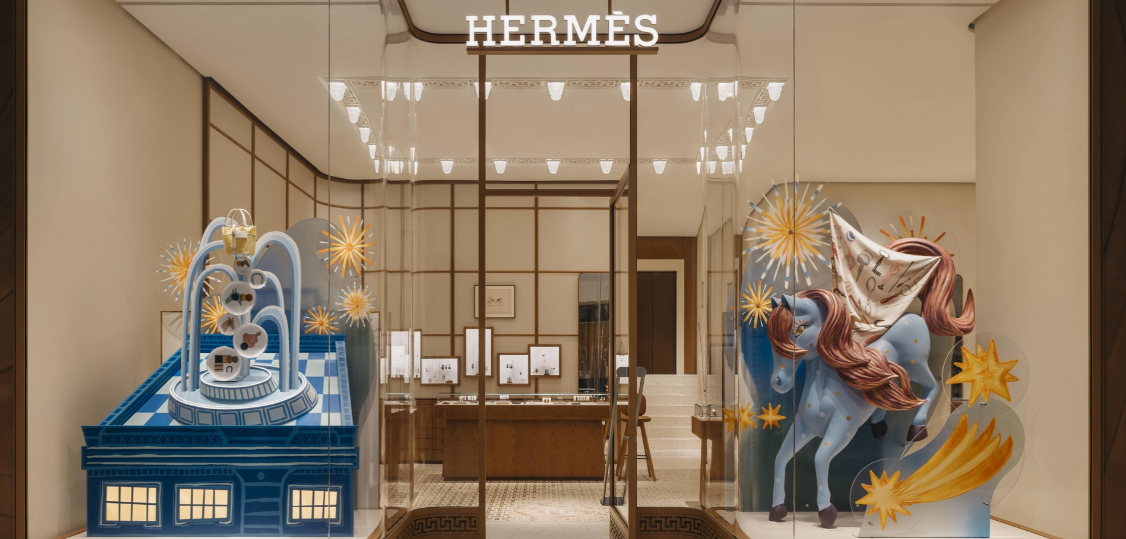
Core Insights - The luxury goods industry is responding to U.S. tariffs by increasing prices, with Hermès leading the way by announcing price hikes starting in May 2025 [1][2] - Interparfums Group plans to raise prices by 6% to 7% for its products in the U.S. market starting August 1, 2025, to counteract the impact of a new 10% tariff on imports from France [5] - Experts predict that the middle class in the U.S. may shift away from luxury goods towards more cost-effective consumer options due to rising prices [1][12] Price Adjustments - Hermès will increase prices across all product lines in the U.S. market starting May 1, 2025, although the exact percentage increase has not been disclosed [2][5] - Interparfums Group's price increase is a direct response to U.S. tariffs, indicating a trend among luxury brands to adjust pricing in light of new tariffs [5][12] Market Impact - The U.S. market is crucial for the luxury goods industry, representing a significant portion of sales for major brands like Hermès, LVMH, and Kering [9][12] - Hermès reported a sales increase of 11.0% to €700 million in the Americas for Q1 2025, accounting for approximately 17% of total sales [9][10] - LVMH and Kering derive 25% and 24% of their total revenues from the U.S. market, respectively, highlighting its importance [12] Consumer Behavior Trends - The luxury market is experiencing a polarization in consumer behavior, with a potential decline in middle-class spending on luxury goods [12][15] - The global luxury consumer base has shrunk by approximately 50 million over the past two years, indicating a challenging environment for luxury brands [15] - The trend towards brand polarization suggests that while leading luxury brands may continue to thrive, many others may become more mainstream, creating opportunities for niche and custom brands [15]