奶茶配货

Search documents
外卖买奶茶必须点一堆小料和面巾纸商家才肯送,1点点蜜雪冰城们学奢侈品搞上“配货”了?
3 6 Ke· 2025-12-01 07:56
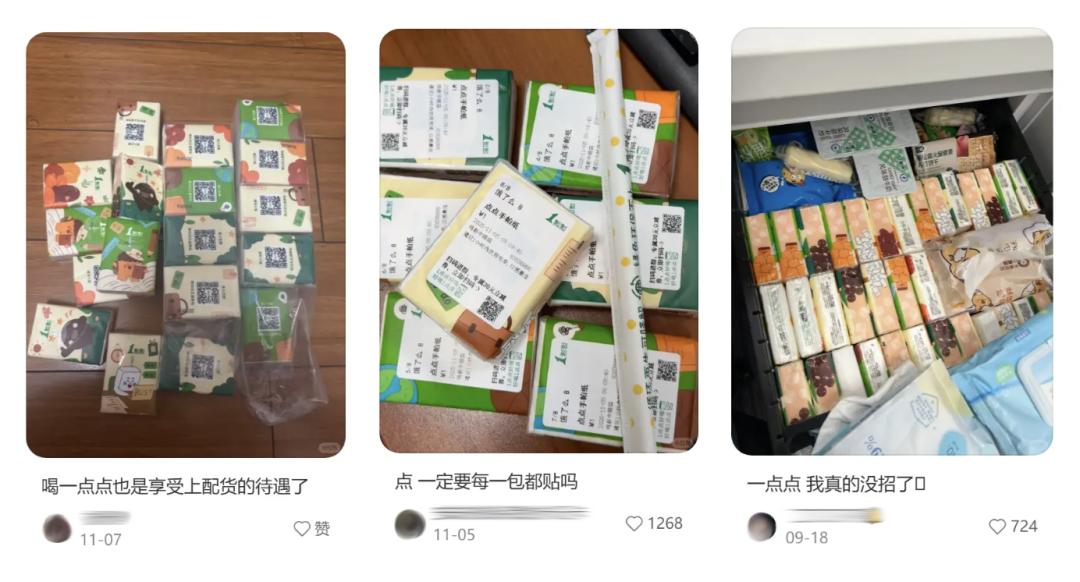
Core Insights - The phenomenon of "milk tea配货" (matching orders) has evolved from a criticized practice to a necessary skill for consumers, particularly in the context of rising delivery thresholds and costs [1][2][28] Group 1: Delivery Thresholds and Consumer Behavior - The delivery thresholds for milk tea have increased, with many brands now requiring minimum orders of 20 to 25 yuan, making it difficult for individuals to order single cups [1][19][25] - Consumers are increasingly forced to purchase additional items, such as handkerchiefs, to meet these thresholds, leading to a situation where they buy items they do not necessarily need [4][16][21] - The trend of "配货" has become common across various brands, with many offering low-cost items to help customers reach the minimum order amount [19][28] Group 2: Brand Strategies and Market Dynamics - Brands like 一点点 (Yidiandian) have introduced handkerchiefs as a low-cost item to help customers meet delivery thresholds, which has been well-received by consumers [4][6][10] - The pricing strategy for handkerchiefs is designed to be straightforward, avoiding complex pricing that could confuse consumers [8][14] - Despite the popularity of handkerchiefs, there are complaints about their quality, indicating that while they serve a purpose, they are not necessarily a premium product [10][30] Group 3: Financial Implications for Brands - The increase in delivery thresholds is partly a response to the shrinking profit margins for milk tea brands due to high competition and delivery costs [28][34] - Brands are facing rising costs, with delivery fees increasing significantly, which impacts their overall profitability [30][34] - The need to set higher delivery thresholds is a strategy to ensure profitability amidst rising operational costs and competitive pricing [35][37]

喝杯奶茶都要配货了?奶茶外卖的配货趋势该怎么看?
3 6 Ke· 2025-10-29 02:39
Core Viewpoint - The trend of requiring additional purchases to meet minimum order amounts for milk tea delivery, referred to as "配货" (matching goods), has sparked discussions about consumer experience and business strategies in the beverage industry [3][6][10]. Group 1: Market Dynamics - The phenomenon of needing to add items to meet delivery thresholds is a response by businesses to cover fixed costs associated with delivery services, including platform fees and packaging [4][6]. - The average commission rate for major delivery platforms ranges from 15% to 25%, with additional delivery fees and packaging costs, making it challenging for businesses to profit from low-value orders [6][9]. Group 2: Consumer Experience - The "配货" trend negatively impacts consumer experience, as customers are forced to purchase unnecessary items to meet minimum order requirements, leading to increased spending [10][12]. - This forced bundling may reduce consumer loyalty to milk tea delivery services if the experience continues to be unsatisfactory [10]. Group 3: Industry Challenges - The low average price of milk tea, which has decreased to around 10-30 yuan per cup, exacerbates the issue, as it limits the ability of businesses to cover delivery costs without requiring additional purchases [9][12]. - The structural differences between beverage and meal delivery markets highlight the challenges faced by the tea industry in moving away from the "配货" model [9][12]. Group 4: Solutions and Recommendations - To address the "配货" issue, companies should focus on reducing costs through improved supply chain management and operational efficiency [12]. - Delivery platforms are encouraged to lower commission rates, especially for small and medium-sized businesses, to alleviate financial pressures and allow for more flexible pricing strategies [12].