一点点奶茶

Search documents
越泡越浓的奶茶,让打工人心悸失眠?
36氪· 2026-01-08 00:10
Core Viewpoint - The article discusses the rising concerns regarding the caffeine content in milk tea, particularly focusing on the brand "霸王茶姬" (Bawang Chaji), which has faced backlash for allegedly high caffeine levels that some users have likened to addictive substances [5][7][8]. Summary by Sections Caffeine Controversy - A popular social media influencer raised alarms about the caffeine content in Bawang Chaji's new milk tea products, suggesting it could be dangerously high and addictive [5][12]. - The Shanghai Narcotics Control Office had to clarify that caffeine is naturally present in tea and that Bawang Chaji's caffeine levels are within acceptable limits [7][8]. Consumer Reactions - The controversy has led to widespread panic among consumers, with many expressing concerns about sleeplessness after consuming milk tea [9][19]. - Bawang Chaji's stock plummeted by 14.5% on December 26, resulting in a market value loss of approximately $200 million [13]. Caffeine Content Comparisons - A cup of Bawang Chaji's milk tea can contain caffeine levels comparable to 2.5 cans of Red Bull, with specific drinks exceeding 200 mg of caffeine [20][22]. - The caffeine content in Bawang Chaji's drinks is significantly higher than that in standard coffee beverages, challenging the brand's claims of being a healthier alternative [24]. Health and Marketing Implications - The article highlights a shift in consumer perception, where milk tea is increasingly viewed as a potential health risk rather than a simple indulgence [32][44]. - Bawang Chaji has attempted to address these concerns by introducing lower-caffeine options, but these have not gained significant market traction due to taste compromises [31][41]. Broader Industry Trends - The article notes that the caffeine issue is not isolated to Bawang Chaji, as other brands like 喜茶 (Heytea) and 一点点 (Yidiandian) are also facing similar scrutiny regarding their caffeine levels [41][43]. - The marketing strategies of milk tea brands have evolved to downplay health risks while promoting the enjoyment factor, leading to a disconnect between consumer awareness and actual product content [46][47].


霸王茶姬“擦边毒品”是暴论,但奶茶越泡越浓是真的?
虎嗅APP· 2026-01-05 23:57
Core Viewpoint - The article discusses the controversy surrounding the high caffeine content in Bawang Chaji's milk tea, which has led to public concern and stock price fluctuations, highlighting the need for consumer awareness regarding caffeine levels in tea products [5][11][27]. Group 1: Caffeine Controversy - A popular social media influencer raised concerns about Bawang Chaji's new milk tea product, claiming its caffeine content was dangerously high and likening it to a drug [5][7]. - The Shanghai Narcotics Control Office had to clarify that caffeine is naturally present in tea and that Bawang Chaji's caffeine levels are within acceptable limits [7][19]. - Bawang Chaji's stock dropped by 14.5%, resulting in a market value loss of approximately $200 million due to the caffeine controversy [11]. Group 2: Consumer Reactions - Many consumers, particularly office workers, have reported experiencing insomnia and anxiety after consuming Bawang Chaji's products, leading to a perception of the brand as a modern alternative to energy drinks like Red Bull [9][16]. - The article notes that the caffeine content in Bawang Chaji's drinks can be significantly higher than that in traditional beverages, with one cup containing caffeine equivalent to about 2.5 cans of Red Bull [16][18]. Group 3: Health Implications - The article emphasizes that while milk tea is not considered a healthy beverage, the caffeine content has raised concerns among consumers, especially as it relates to sleep disturbances [8][16]. - Bawang Chaji has introduced new products with lower caffeine levels, but consumer feedback indicates that these alternatives may compromise taste, leading to a lack of market enthusiasm [20][28]. Group 4: Industry Trends - The article highlights a broader trend in the tea beverage industry, where high caffeine content is becoming a common concern, not just for Bawang Chaji but also for other brands like Heytea and Yi Dian Dian [25][27]. - The marketing strategies of milk tea brands have shifted from promoting health benefits to addressing caffeine content, reflecting a growing consumer awareness of the potential risks associated with high caffeine intake [28][30].

霸王茶姬“擦边毒品”是暴论,但把茶越泡越浓的奶茶确实正在让更多打工人心悸失眠?
3 6 Ke· 2026-01-04 09:05
Core Viewpoint - The controversy surrounding the caffeine content in Bawang Chaji's new milk tea products has led to significant public concern and a notable drop in the company's stock price, highlighting the growing scrutiny of caffeine levels in popular beverages [4][10][27]. Group 1: Caffeine Controversy - A popular social media post claimed that Bawang Chaji's milk tea contains high levels of caffeine, likening it to a "borderline drug" and suggesting it could lead to addiction [1][3]. - The Shanghai Narcotics Control Office had to clarify that caffeine is naturally present in tea and that Bawang Chaji's caffeine levels are within acceptable limits [3][10]. - Bawang Chaji's stock fell by 14.5%, resulting in a market value loss of approximately $200 million due to the caffeine controversy [4][10]. Group 2: Caffeine Content Comparisons - A cup of Bawang Chaji's milk tea can contain caffeine levels equivalent to 2.5 cans of Red Bull, with some drinks exceeding 200 mg of caffeine [8][10]. - The caffeine content in Bawang Chaji's drinks is significantly higher than that in traditional tea, as the preparation methods used in chain tea drinks extract higher concentrations of caffeine [20][22]. - The average caffeine content in a large cup of Bawang Chaji's popular drink, "Wanli Mulian," is around 214 mg, which is higher than many coffee beverages [10][12]. Group 3: Consumer Perception and Health Concerns - There is a growing awareness among consumers regarding the potential health risks associated with high caffeine intake, with many expressing concerns about insomnia and other side effects after consuming Bawang Chaji's products [9][10][27]. - The marketing of milk tea as a "healthy" and "natural" beverage has contributed to a lack of awareness about its caffeine content, with over 52% of consumers unaware that tea contains caffeine [27][28]. - Bawang Chaji has attempted to address these concerns by labeling caffeine content on their cups, but the information is not easily accessible to consumers [14][17].
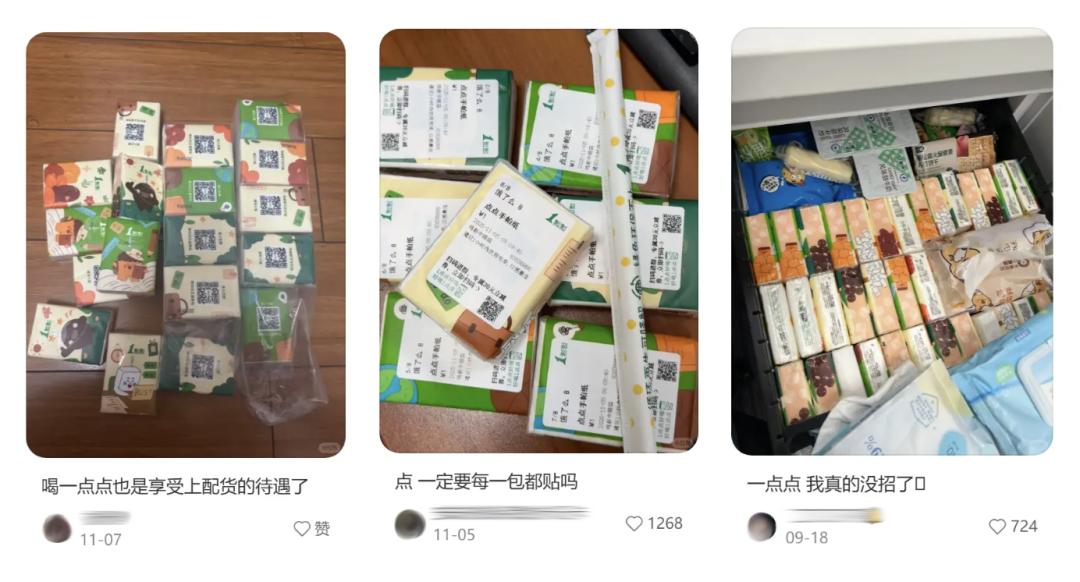
外卖买奶茶必须点一堆小料和面巾纸商家才肯送,1点点蜜雪冰城们学奢侈品搞上“配货”了?
3 6 Ke· 2025-12-01 07:56
Core Insights - The phenomenon of "milk tea配货" (matching orders) has evolved from a criticized practice to a necessary skill for consumers, particularly in the context of rising delivery thresholds and costs [1][2][28] Group 1: Delivery Thresholds and Consumer Behavior - The delivery thresholds for milk tea have increased, with many brands now requiring minimum orders of 20 to 25 yuan, making it difficult for individuals to order single cups [1][19][25] - Consumers are increasingly forced to purchase additional items, such as handkerchiefs, to meet these thresholds, leading to a situation where they buy items they do not necessarily need [4][16][21] - The trend of "配货" has become common across various brands, with many offering low-cost items to help customers reach the minimum order amount [19][28] Group 2: Brand Strategies and Market Dynamics - Brands like 一点点 (Yidiandian) have introduced handkerchiefs as a low-cost item to help customers meet delivery thresholds, which has been well-received by consumers [4][6][10] - The pricing strategy for handkerchiefs is designed to be straightforward, avoiding complex pricing that could confuse consumers [8][14] - Despite the popularity of handkerchiefs, there are complaints about their quality, indicating that while they serve a purpose, they are not necessarily a premium product [10][30] Group 3: Financial Implications for Brands - The increase in delivery thresholds is partly a response to the shrinking profit margins for milk tea brands due to high competition and delivery costs [28][34] - Brands are facing rising costs, with delivery fees increasing significantly, which impacts their overall profitability [30][34] - The need to set higher delivery thresholds is a strategy to ensure profitability amidst rising operational costs and competitive pricing [35][37]