存量物业盘活

Search documents
5年“复出”:苏宁酒店从危机转向新生?
Xin Lang Cai Jing· 2026-01-21 06:16
Core Viewpoint - Suning Group has made significant progress in its restructuring efforts, avoiding bankruptcy liquidation and marking a potential revival with the opening of its first major hotel project in five years, the Shaoxing Hilton Hotel and Apartments [1][2]. Group 1: Hotel Project Details - The Shaoxing Hilton Hotel and Apartments represents Suning's largest single hotel project to date, with a total investment of 750 million yuan, located in a prime area of Shaoxing [1][2]. - The hotel features 347 modern guest rooms and suites, equipped with high-end amenities such as Bluetooth speakers and smart lighting systems [2]. - The hotel is part of a larger commercial complex, the Shaoxing Suning Plaza, which has been stalled for years due to financial difficulties [2][3]. Group 2: Financial Context and Restructuring - Suning Group's debt has reached 238.7 billion yuan, with a restructuring plan involving 8 billion yuan in beneficial debt from CITIC Financial and Oriental Asset [5]. - The restructuring has categorized Suning's assets into "operational retention" and "disposal realization," focusing on core assets in cities like Nanjing and Wuxi [5]. - The five operational commercial complexes are expected to generate over 1.2 billion yuan in rental income in 2024 [5]. Group 3: Market Strategy and Future Prospects - The opening of the Shaoxing hotel signals a potential revival of the long-stalled commercial complex, with plans for the shopping center to open later this year [3][12]. - Suning's strategy includes leveraging its existing commercial properties to enhance hotel operations and marketing efforts [13][14]. - Despite the challenges, Suning aims to optimize its asset structure and focus on core business areas, indicating a continued interest in the hotel sector [12][16]. Group 4: Brand Positioning and Market Challenges - Suning operates around 10 hotels, with its self-owned brand, Suning YAYUE, being the most prevalent, but faces challenges in brand differentiation and market recognition compared to international hotel brands [15]. - The company has shifted some hotel projects to self-operated brands, reducing reliance on international partnerships, which may impact brand strength [6][11]. - The potential transformation of hotel assets into serviced apartments is being considered, but financial constraints may limit Suning's ability to invest in such changes [16].

“霸道总裁”拯救闲置物业!实探风口上的短剧拍摄基地
Di Yi Cai Jing· 2025-09-23 06:37
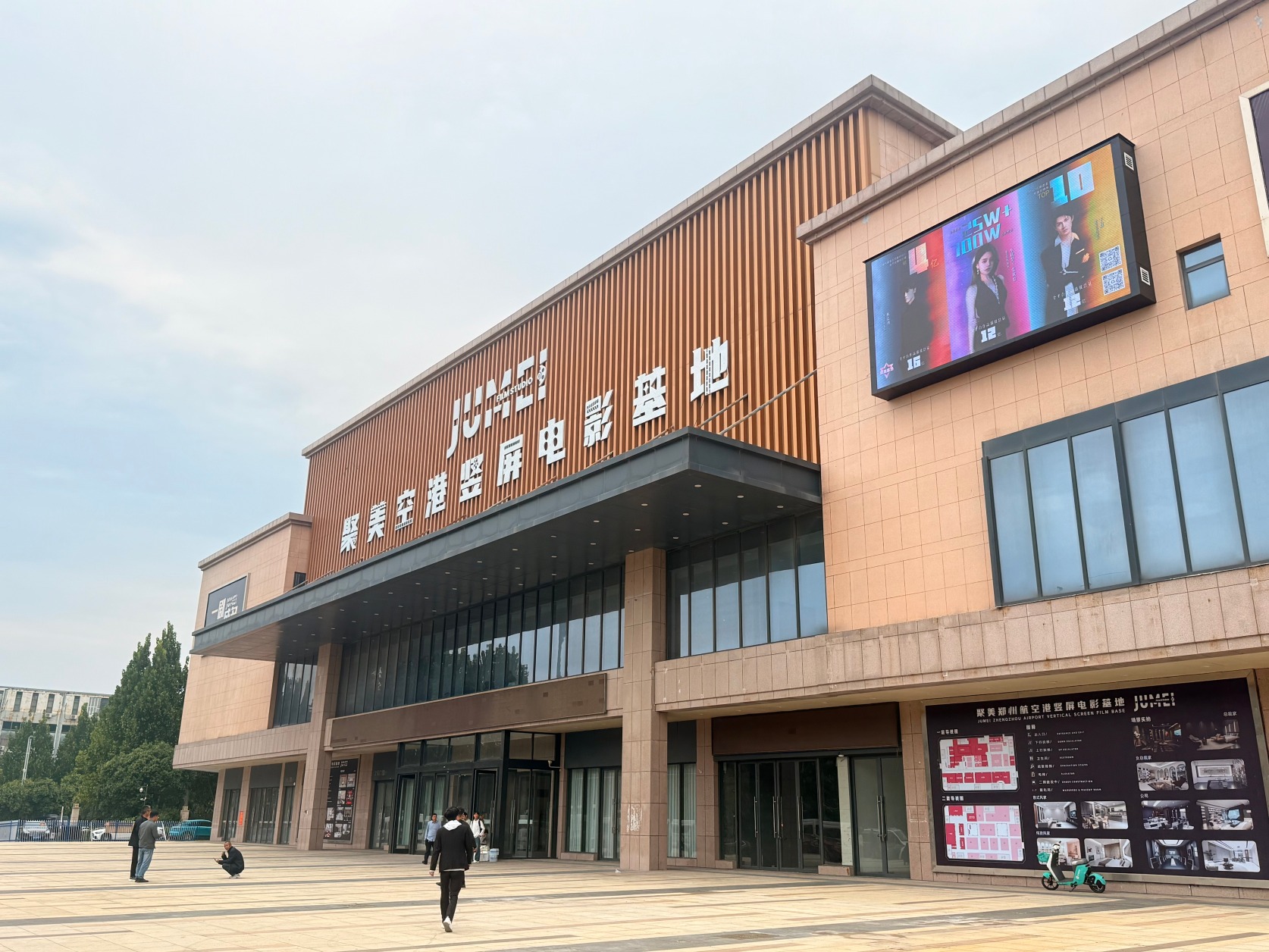
Core Insights - The micro-short drama industry has rapidly emerged, transforming various underutilized properties into vibrant filming locations, thus revitalizing these spaces and contributing to local economies [1][2][17] Group 1: Industry Transformation - The micro-short drama sector has gained popularity, leading to the repurposing of old properties such as abandoned shopping centers and real estate sales offices into filming sites [1][4] - Local governments are encouraging the use of historical buildings and vacant spaces to foster micro-short drama filming bases, aiming to leverage this industry for greater social and economic benefits [2][17] Group 2: Case Studies of Property Repurposing - Real estate sales offices, once solely for showcasing properties, are now being utilized as filming locations for micro-short dramas, as seen in various regions including Shandong and Zhengzhou [4][5] - The "Evergrande Health Valley" project in Zhengzhou, which faced financial difficulties, has turned its sales office into a filming site, highlighting the trend of utilizing idle properties for creative industries [5][9] Group 3: Development of Filming Bases - The transformation of traditional home improvement markets into micro-short drama filming bases is notable, with the "Phoenix City" in Zhengzhou being a prime example, where a significant area has been repurposed for this purpose [10][12] - Filming bases are being developed to provide comprehensive services, connecting creators, producers, and platforms, thus creating a full industry chain from scriptwriting to filming and distribution [14][16] Group 4: Corporate Engagement and Policy Support - Real estate companies are increasingly collaborating with local governments to embrace the micro-short drama industry, as seen with Greenland Group's initiatives in Zhengzhou [17] - Recent policies from the Ministry of Natural Resources aim to optimize urban space utilization, which includes repurposing idle properties for new industries like micro-short dramas [18][19]