微短剧

Search documents
当代人连看剧都不想"长期投入"了吗?
腾讯研究院· 2026-03-24 10:04
Group 1 - The core viewpoint of the article emphasizes the rapid rise and cultural significance of micro-short dramas in contemporary society, highlighting their unique blend of continuity and fragmentation that caters to modern audience preferences [4][5][14]. - Micro-short dramas reflect a shift in content consumption, paralleling modern emotional lives, where long dramas represent deep relationships and micro-short dramas symbolize quick, casual interactions [5][14]. - The user characteristics of micro-short dramas indicate a trend towards segmented cultural consumption, with nearly 700 million users as of June 2025, yet lacking widespread public discourse on specific works [7][16]. Group 2 - The transition to mobile viewing has altered audience perceptions and evaluation standards, with micro-short dramas allowing for a more intimate and scrutinizing viewing experience [8][23]. - The industry is moving towards the premiumization of micro-short dramas, which requires a balance of original aesthetics, commercial viability, and positive social impact [9][25]. - The evolution of micro-short dramas has seen a significant shift towards female-oriented content, with emotional narratives gaining prominence, reflecting changing audience preferences [20][24]. Group 3 - The dual-screen format (horizontal and vertical) signifies the maturity of the micro-short drama industry, accommodating diverse production costs and artistic styles [8][22]. - The industry is witnessing a structural transformation, with a focus on niche markets and tailored content rather than broad societal impact [19][28]. - Future potential for micro-short dramas lies in their ability to connect with local cultures and industries, suggesting a promising avenue for cultural and commercial synergy [28][29].


童之磊:微短剧,下一个千亿美元全球机遇
母基金研究中心· 2026-03-07 08:27
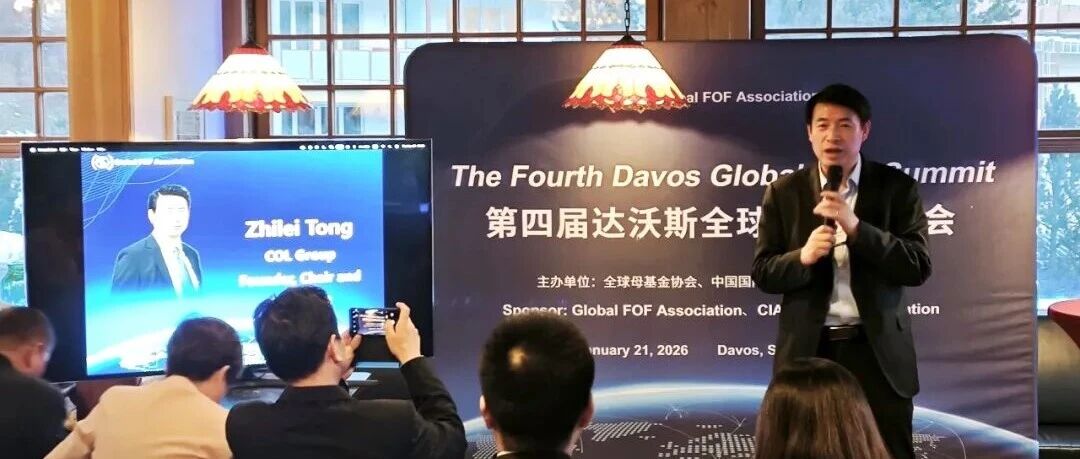
Core Insights - The fourth Davos Global FOF Summit was successfully held, focusing on the future development of global funds and venture capital cities [2][3] - COL Group's founder, Tong Zhilei, highlighted micro-dramas as a new content format with a potential global market opportunity worth $100 billion [4][5] Micro-Drama Market Potential - Micro-dramas, each lasting only 1 to 3 minutes, have rapidly gained popularity, surpassing the film industry in China within four years [8][13] - The micro-drama market is expected to reach $100 billion by 2030, driven by the demand for short, engaging content suitable for fragmented viewing [8][19] Competitive Advantages - COL Group's platform, FlareFlow, achieved over $10 million in monthly revenue and surpassed one million daily active users shortly after launch [6][15] - The company leverages its proprietary AI model "Xiaoyao" for end-to-end content creation, enhancing its competitive edge in the micro-drama sector [17][18] Market Comparison - The current streaming media market is valued at $230 billion, but micro-dramas offer stronger monetization potential with higher subscription prices compared to traditional platforms like Netflix [11][12] - Netflix's market value exceeds $500 billion, with revenues around $39 billion, indicating the potential for similar giants to emerge in the micro-drama industry [15][16] Future Development Directions - Future growth in the micro-drama sector will focus on deepening AI empowerment, integrating ecological advantages, and promoting content localization to meet diverse regional demands [19]
民声丨规范微短剧用工需完善相关机制
Xin Lang Cai Jing· 2026-02-28 00:40
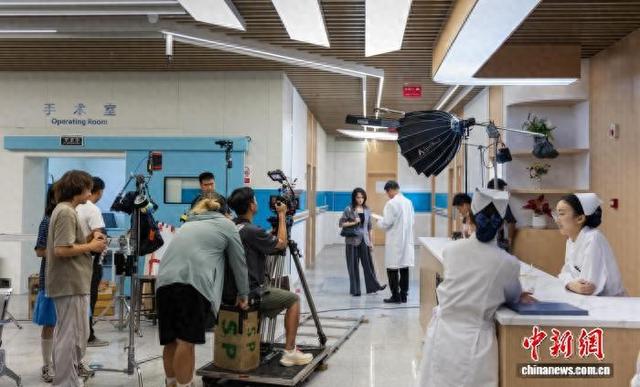
Core Insights - The Chinese online short drama industry is experiencing rapid growth, with projections of 33,000 short dramas to be released by 2025 and nearly 700 million domestic users [1] - Despite the industry's popularity, salary disputes have emerged, with several actors reporting unpaid wages on social media [1] - The lack of formal contracts, especially for non-leading actors, has led to unfavorable conditions regarding salary amounts, payment cycles, and work conditions [1] Group 1 - The self-regulation charter released by the China Network Audio-Visual Association's Micro Short Drama Working Committee aims to ensure timely and full payment of salaries, prevent risks, and protect the rights of workers [1] - Many small production companies with limited risk tolerance have entered the micro short drama market, relying on external investments [2] - The revenue model primarily depends on ad revenue from free-to-watch content, leading to potential financial instability for many projects [2] Group 2 - The influx of micro short dramas has resulted in a limited audience, making it difficult for many projects to achieve expected returns, which can lead to cash flow issues and delayed salary payments [2] - The rights issues faced by micro short drama personnel extend beyond salary to include work content, safety risks, and the well-being of child actors [2] - While the self-regulation charter is a positive step, further industry regulation and management system improvements are necessary to ensure the protection of micro short drama personnel's rights [2]
【民声】规范微短剧用工需完善相关机制
Xin Lang Cai Jing· 2026-02-27 18:26
Core Viewpoint - The rapid growth of the micro-short drama industry in China is accompanied by significant issues related to payment disputes and the lack of formal contracts for actors, particularly non-leading roles, which puts them at a disadvantage [1][2] Group 1: Industry Growth and Challenges - The China Network Audio-Visual Association's Micro-Short Drama Working Committee has released a self-regulatory convention to ensure timely payment and protect the rights of all personnel involved in micro-short dramas [1] - By 2025, it is projected that 33,000 micro-short dramas will be released, with nearly 700 million domestic users [1] - Despite the industry's rapid development, there have been numerous reports of actors claiming unpaid wages on social media [1] Group 2: Payment and Contract Issues - Many micro-short drama projects lack formal contracts with actors, relying instead on verbal agreements, which often include unfavorable terms for performers [1][2] - The low production threshold for micro-short dramas has led to an influx of small production companies with limited risk tolerance, relying heavily on external investment [2] - The revenue model primarily depends on ad revenue sharing, which can lead to financial instability and delayed payments for actors [2] Group 3: Broader Rights and Safety Concerns - The rights issues faced by micro-short drama personnel extend beyond payment, including concerns about work content, safety risks, and the well-being of child actors [2] - There is a need for enhanced safety protections for high-risk filming activities, such as stunts and underwater scenes, as well as ensuring the health and rest rights of child actors [2] - While the self-regulatory convention is a positive step, it is insufficient alone; stronger regulatory oversight and improved management systems are necessary to protect the legal rights of micro-short drama personnel [2]
光谷发布“微短剧8条”,首批场景联盟授牌
Jing Ji Guan Cha Bao· 2026-02-27 12:16
Core Viewpoint - The Wuhan East Lake High-tech Zone (referred to as "Optics Valley") has launched a set of measures to promote the high-quality development of the micro-short film industry, aiming to establish a nationally influential micro-short film industry cluster [1][2] Group 1: Policy Measures - The "Micro-Short Film 8 Measures" covers the entire industry chain, including script creation, project investment, filming, enterprise growth, cultural export, and platform support [1] - The policy offers a one-time reward of up to 1 million yuan for newly recognized national or provincial network audio-visual industry bases, with an annual operational reward of up to 500,000 yuan [1] - For micro-short films recognized at the national or provincial level, each can receive a maximum reward of 200,000 yuan, while those featuring prominent Optics Valley elements can receive up to 500,000 yuan [1] Group 2: Enterprise Support - Enterprises can receive annual support of up to 1 million yuan based on their development scale, with new leading platform enterprises eligible for a one-time support of up to 1.5 million yuan [2] - Projects that play a leading role in industry development can receive support of up to 50 million yuan [2] - The policy encourages cultural export with annual rewards of up to 300,000 yuan based on export volume and translation costs [2] Group 3: Industry Collaboration - The establishment of the "Optics Valley Micro-Short Film Scene Alliance" was formalized on February 27, with agreements signed for filming locations at various local venues [2]
武汉东湖高新区发布“微短剧8条”,最高给予5000万支持
Xin Lang Cai Jing· 2026-02-27 12:13
Core Viewpoint - The Wuhan East Lake High-tech Zone has launched measures to promote the high-quality development of the micro-short drama industry, aiming to establish a nationally influential industry cluster [1] Group 1: Policy Measures - The "Eight Measures for Micro-Short Dramas" cover the entire industry chain, including script creation, project investment, filming, enterprise growth, cultural export, fund support, and platform development [1] - Enterprises can receive up to 1 million yuan in annual support based on their development scale [1] - Newly introduced or established leading platform enterprises can receive a one-time support of up to 1.5 million yuan [1] - Projects that play a leading role in industry development, categorized as "Four New" projects, can receive support of up to 50 million yuan [1]

中国光谷出台政策“加码”微短剧产业
Zhong Guo Xin Wen Wang· 2026-02-27 11:58
Core Viewpoint - Wuhan East Lake High-tech Zone aims to establish a nationally influential micro-short drama industry cluster through the release of measures and the formation of the "Optics Valley Micro-Short Drama Scene Alliance" [1] Group 1: Policy Measures - The measures cover the entire micro-short drama industry chain, including script creation, project investment, filming, enterprise growth, cultural export, and platform development [3] - New recognized micro-short drama clusters can receive a one-time reward of up to 1 million yuan, and operational units can receive annual rewards of up to 500,000 yuan [3] - Micro-short dramas recognized at the national or provincial level can receive up to 200,000 yuan each, while those promoting cultural tourism integration can receive 500,000 yuan [3] - Head platform enterprises can receive a one-time support of up to 1.5 million yuan, and leading "four new" projects can receive up to 50 million yuan [3] Group 2: Industry Infrastructure - The Longjiang Audiovisual Micro-Short Drama Industry Base offers a one-stop service for filming, including adaptable scenes, equipment rental, and project incubation [4] - The first phase of the base covers 8,800 square meters with over 60 adaptable scenes, having served more than 600 film crews since its opening in February 2025 [4] - The second phase will expand to 22,000 square meters, adding over 20 premium filming scenes and upgrading facilities [4] Group 3: Industry Impact - The policy incentivizes creators and production companies with financial support, fostering a conducive environment for industry growth [5]
5000霸总被下药、3000女主走错房间,“狗血”短剧真的赚钱吗?
Xin Lang Cai Jing· 2026-02-25 09:01
Core Insights - The short drama market is projected to reach a scale of 677.9 billion yuan by 2025, indicating significant growth potential in the industry [1][27][53] - Despite the booming market, many participants, including investors and child actors, face harsh realities and potential exploitation [2][26][53] Industry Overview - The short drama industry has seen over 14.6 million related enterprises in China, with more than 22,700 new registrations in 2025, reflecting a growth of 15.64% compared to 2024 [50] - There are over 3,000 enterprises in the short drama sector that are experiencing operational abnormalities [51] Child Actors' Involvement - Child actors are often subjected to long working hours, with reports of 6-year-olds working over 12 hours a day, raising concerns about their well-being [5][34] - The content of short dramas is increasingly encroaching on children's innocence, with themes that may not be suitable for their age [6][40] Investment Risks - Investors in short dramas often face unexpected outcomes, as illustrated by a case where an investor expected returns of 70% to 700% but received only 200 yuan [16][43] - The industry's reliance on high traffic for profitability leads to a cycle where even popular dramas with millions of views may not generate profits for producers [20][47] Market Dynamics - The competition in the short drama market has intensified, leading to increased costs for traffic investment, creating a paradox where companies must spend more to attract viewers while risking losses [20][26] - The trend of using child actors as a means to attract viewership has resulted in over 30% of high-traffic dramas featuring "cute baby" themes, raising ethical concerns [13][40]

借微短剧之力塑江苏文旅IP新优势
Jiang Nan Shi Bao· 2026-02-24 15:25
Core Viewpoint - The integration of micro-short dramas with cultural tourism in Jiangsu is a necessary choice to enhance regional cultural vitality and align with industry trends, requiring a comprehensive ecosystem from cultural exploration to content creation and industry transformation [1] Group 1: Cultural Exploration - Deep cultural exploration is essential for high-quality integration, with Jiangsu's rich cultural resources serving as the core foundation for micro-short dramas [1] - A creative think tank composed of cultural historians, intangible cultural heritage inheritors, and local writers should be established to systematically extract core elements from local cultural resources [2] - Different regions in Jiangsu should highlight their unique characteristics to avoid homogenization, creating distinct "short drama business cards" for each area [2] Group 2: Cultural Expression - Cultural expression should be both concrete and emotional, integrating cultural elements into the narrative rather than merely stacking symbols [3] - Micro-short dramas should connect cultural heritage with personal stories, allowing audiences to resonate emotionally with the cultural narratives [3] Group 3: Narrative Innovation - Innovative narrative expression is crucial for micro-short dramas to serve as bridges for cultural tourism IP, requiring a balance between artistic expression and effective communication [4] - Narratives should be relatable to the audience, using individual stories to present grand cultural themes and avoiding hollow cultural preaching [4] - The narrative structure should balance rhythm and depth, employing a "small cut, big theme" strategy to engage viewers effectively [5] Group 4: Communication Matrix - A comprehensive communication matrix is necessary to maximize the value of micro-short dramas, integrating various media platforms for broad coverage [6][7] - Collaboration with mainstream media and short video platforms is essential for enhancing the authority and influence of cultural tourism IP [7] - Online and offline activities should be linked to create interactive experiences that convert online interest into offline engagement [7] Group 5: International Outreach - Expanding overseas communication channels is vital, translating micro-short dramas into multiple languages and promoting them through international platforms to enhance global influence [8] Group 6: Industry Ecosystem - The integration of micro-short dramas with cultural tourism should extend beyond content creation to include a complete industry chain, ensuring cultural, social, and economic benefits [9] - Establishing professional creative bases and encouraging local talent development will foster a sustainable ecosystem for micro-short dramas [9] - Innovative tourism consumption scenarios should be developed to enhance visitor experiences and extend the consumption chain [9] Group 7: Long-term Operation Mechanism - A special fund for the development of micro-short dramas and cultural tourism should be established to support quality projects [10] - An evaluation system for works should be created to guide creative directions and ensure quality [10] - Regular seminars and exhibitions should be held to share successful cases and promote healthy industry development [10]
微短剧行业自律公约落地,行业生态治理迈出关键一步
Jin Rong Jie· 2026-02-24 08:18
Core Viewpoint - The micro-short drama industry in China is experiencing rapid growth, with market size projected to expand from less than 1 billion yuan in 2020 to over 50 billion yuan by 2025, reflecting an annual growth rate exceeding 100% [2] Group 1: Industry Growth and Challenges - The micro-short drama industry has seen explosive growth, but issues such as inadequate protection of performers' rights, delayed payments, and excessive work intensity are emerging as significant bottlenecks to high-quality development [2] - The newly released self-regulation charter aims to establish a normative system for the industry, addressing various dimensions including payment of wages, safety guarantees, and child labor [2] Group 2: Self-Regulation Charter Details - The charter mandates that employers must "pay wages on time and in full," and encourages innovative mechanisms such as wage escrow accounts to prevent wage arrears [2] - It emphasizes the establishment of a safety guarantee system, including emergency plans and supervision by professionals during high-risk filming tasks [2] - Strict requirements for the protection of minors' rights are included, prohibiting excessive work and inappropriate content for child actors, thereby safeguarding their rights to rest, health, and education [2] Group 3: Industry Participation and Implementation - The first batch of 38 signatories includes major platforms and production companies, demonstrating a strong consensus within the industry for standardized development [3] - The charter's implementation will be supported by a collaborative service mechanism, encouraging production bases to establish a "one-stop" channel for rights protection, legal consultation, and dispute resolution [3]