孩子成长

Search documents
一个孩子被养废的标志:能力弱、脾气大、说不得
洞见· 2026-01-23 12:36
Core Viewpoint - The article emphasizes the importance of not overly pampering children, as it can lead to negative traits such as laziness, poor social skills, and inability to handle criticism. It advocates for a balanced approach to parenting that includes teaching independence, social skills, and resilience through real-life experiences and challenges [2][56]. Group 1: Overindulgence and Its Consequences - A mother's lament about her son who, after graduating, refuses to work and blames his parents for not providing a better life illustrates the dangers of overindulgence [4][10]. - The case of a young man who lived off his parents for seven years without working highlights how excessive parental support can lead to a lack of life skills and independence [7][9]. - The article argues that children need to face challenges and learn skills from a young age to prepare for adulthood, as they will not suddenly become independent without prior experience [11][12]. Group 2: Developing Essential Life Skills - The article outlines three key areas where children should be trained: doing household chores to build independence, socializing to enhance interpersonal skills, and experiencing hardships to develop resilience [14][19]. - It stresses that children should learn to manage their own lives and face difficulties, as these experiences are crucial for their growth and ability to navigate the world [16][18]. Group 3: Managing Temperament and Behavior - A father's experience with his daughter, who became increasingly temperamental due to being overly pampered, serves as a warning about the consequences of not setting boundaries [20][22]. - The article suggests that parents should establish clear rules and consistently enforce them to help children learn self-control and emotional management [27][30]. - It emphasizes that children need to understand the importance of respecting others and managing their emotions, which can be taught through everyday interactions and family rules [46][50]. Group 4: The Importance of Constructive Criticism - The article discusses how excessive praise without constructive criticism can lead to children developing a sense of entitlement and an inability to accept feedback [38][41]. - It encourages parents to provide honest evaluations of their children's behavior to help them grow and develop a realistic self-image [50][51]. - The article concludes that a balanced approach to parenting, which includes both support and constructive criticism, is essential for raising well-rounded individuals [58].

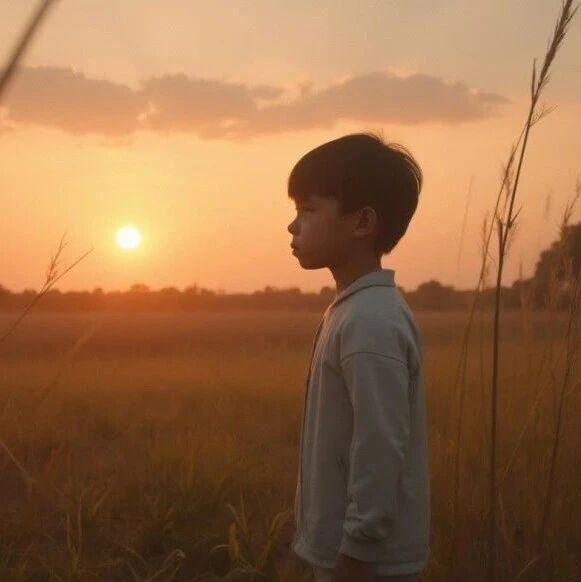
父母需要控制的不是孩子,而是自己那颗放不下的心!
Jing Ji Guan Cha Bao· 2025-11-06 04:28
Group 1 - The core argument is that parental control can have lasting negative effects on children, impacting their self-esteem and independence as they grow up [2][5][49] - Children raised under excessive parental control may struggle with self-identity and confidence, leading to feelings of inadequacy [4][5][12] - The article highlights specific examples of individuals affected by parental control, illustrating the detrimental outcomes of such upbringing [10][11][20] Group 2 - Over-involvement by parents can lead to a lack of essential life skills in children, resulting in dependency and a failure to thrive independently [11][12][30] - The narrative includes a case study of a colleague with autism, emphasizing how parental control can stifle personal growth and social interaction [18][24][29] - The author reflects on their own experiences and acknowledges the challenge of balancing care and control in parenting [42][46][49] Group 3 - The source of controlling behavior in parents often stems from their own insecurities and lack of safety in their upbringing [31][34][35] - The article argues that children need freedom and respect to develop their own identities and life skills [37][41][49] - It concludes that parents should focus on managing their own controlling tendencies rather than trying to control their children [49][50]
哈佛女校长:经常带孩子去这9个地方玩,孩子头脑更聪明,格局不一般
洞见· 2025-08-12 12:35
Group 1 - The core viewpoint emphasizes that true education goes beyond textbooks and classrooms, encouraging continuous self-discovery and adaptation to the world [5][6][7] - Parents with foresight understand the importance of exposing children to diverse experiences to broaden their perspectives and cultivate problem-solving skills [7][8] - Engaging children in various environments, such as libraries, museums, and science centers, is crucial for their cognitive and emotional development [10][30] Group 2 - The article highlights the significance of experiential learning, where children learn valuable life lessons through real-world experiences rather than just academic knowledge [33][36] - Real-life stories illustrate how hands-on experiences can profoundly impact children's understanding of hard work and the value of education [36][42] - Parents are encouraged to guide children in understanding the world comprehensively, not just through materialistic views but by appreciating the essence of life [48][51] Group 3 - The importance of physical activity, connection with nature, and community service is emphasized as essential components of holistic education [56][67] - The narrative suggests that a balanced approach to parenting, which includes both academic rigor and emotional well-being, leads to healthier and happier children [56][66] - The article concludes that the best education is often subtle and indirect, fostering children's potential without them being overtly aware of the educational process [68]