
安保三文件修订

Search documents
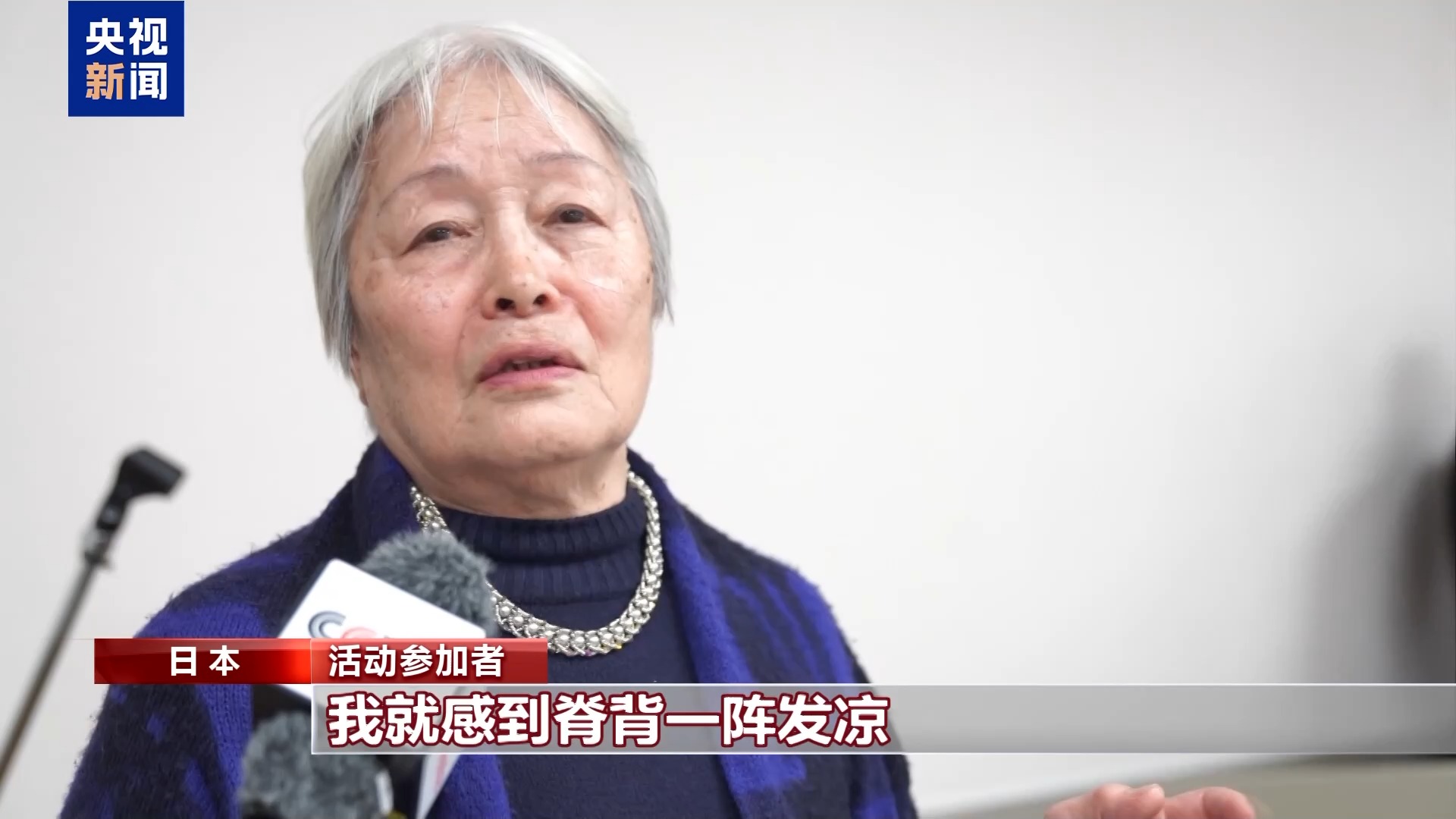
视频丨日本民众举行学习会 对高市修宪意图深表担忧
Yang Shi Xin Wen Ke Hu Duan· 2026-02-15 13:38
Core Viewpoint - The Japanese public expresses strong concerns regarding the government's intentions to amend the "Peace Constitution" and revise the "Security Three Documents," particularly criticizing remarks made by Minister Takishi Sema regarding Taiwan [1][3]. Group 1 - Participants at the gathering in Tokyo voiced their alarm over Takishi Sema's comments, indicating a shared sentiment of unease among attendees [3]. - The leader of the Social Democratic Party, Mizuho Fukushima, emphasized the importance of preserving Article 9 of the "Peace Constitution" and called for collective efforts to prevent its amendment [1]. - Attendees expressed regret over Takishi Sema's statements, with calls for her to retract her comments [4].

日本自民党公布竞选承诺 修订“安保三文件”赫然在列
Xin Hua She· 2026-01-21 22:30
Group 1 - The ruling Liberal Democratic Party (LDP) of Japan announced its campaign promises for the upcoming House of Representatives election, focusing on five areas: economy, local issues, foreign and security policy, social security, and constitutional amendments [1] - In the area of foreign and security policy, the LDP's commitments include revising the "three security documents," easing restrictions on weapon exports, establishing a national intelligence agency, and an external intelligence organization [1] - Reports indicate that the Japanese government aims to amend the "three non-nuclear principles," particularly the principle prohibiting the introduction of nuclear weapons, which has raised significant concerns among various sectors in Japan [1] Group 2 - Prime Minister Sanae Takaichi announced the dissolution of the House of Representatives on January 23, with elections scheduled for February 8 [2]
高市早苗宣布:将解散众议院
Xin Lang Cai Jing· 2026-01-19 11:01
Group 1 - The core viewpoint is that the Japanese government, led by the Liberal Democratic Party (LDP), is considering dissolving the House of Representatives and calling for early elections to implement new economic and fiscal policies, as well as to better align with the ruling coalition's goals with the Japan Innovation Party [2] - The announcement for the House of Representatives election is scheduled for January 27, with voting to take place on February 8 [2] Group 2 - The government aims to accelerate the revision process of the "Three Security Documents," with a target to complete the revisions by the end of the year [3] - Discussions are reportedly underway to establish an expert meeting as early as this spring to expedite the revision of the "Three Security Documents," including the National Security Strategy [3] - The recent actions of the government, including significant increases in defense spending, have drawn criticism from opposition parties, accusing the administration of steering Japan towards becoming a "war state" [3]
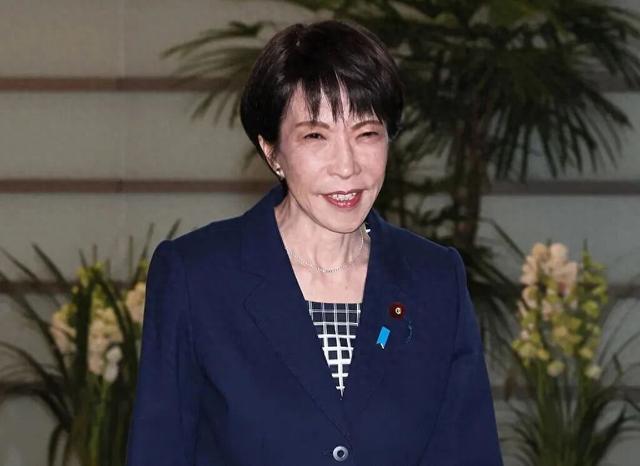
日本2月8日举行众议院选举
Xin Jing Bao· 2026-01-19 09:38
Core Viewpoint - Japanese Prime Minister Sanna Takashi announced the dissolution of the House of Representatives and early elections, aiming to implement new economic and fiscal policies and better align with the ruling coalition's goals [1] Group 1: Election Announcement - The announcement of the dissolution will be made on January 23, coinciding with the opening of the regular Diet session [1] - The election schedule includes the announcement of the election on January 27 and voting on February 8 [1] Group 2: Political Context - The Prime Minister highlighted that the ruling Liberal Democratic Party (LDP) does not hold a majority in both houses of the Diet, making this early election necessary for policy implementation [1] - Concerns have been raised by Japanese media regarding the frequency of elections, noting that only 1 year and 3 months have passed since the last House of Representatives election, suggesting potential misuse of the dissolution power for party interests [1]
日本首相高市早苗召开新年记者会 涉及外交、安保等
Xin Lang Cai Jing· 2026-01-05 13:31
Group 1 - The core viewpoint of Prime Minister Sanna Takashi is that political stability is essential for advancing strong economic policies and diplomatic and security matters [3] - Takashi emphasizes the importance of cooperation with opposition parties, including the National Democratic Party, based on the coalition agreement with the Japan Restoration Party [3] - The government aims to revise the "Security Three Documents" within the year and discussions are already underway internally [3] Group 2 - Regarding the recent U.S. military actions in Venezuela, Takashi did not comment on the actions but stressed the priority of ensuring the safety of Japanese citizens through close cooperation with relevant countries [3] - Takashi reiterated the importance of maintaining close communication with the U.S. across multiple levels and mentioned coordination for a visit to the U.S. in the spring [3] Group 3 - Takashi expressed Japan's willingness to maintain open dialogue with China, despite criticisms regarding her comments on Taiwan [4] - There are growing voices of opposition and criticism within Japan regarding Takashi's approach to dialogue, emphasizing the need for mutual respect and understanding [4]
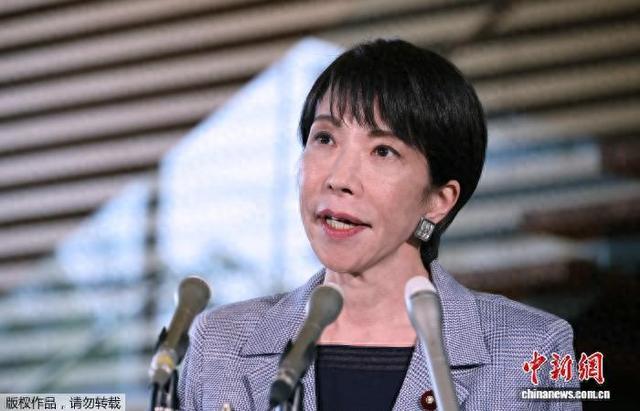
日本拟明年底前修订“安保三文件” 专家:只会让其面临更严峻困境
Yang Shi Xin Wen Ke Hu Duan· 2025-12-31 02:18
Core Viewpoint - The Japanese government, under Prime Minister Fumio Kishida, is planning to revise its "Three Security Documents" by the summer of 2026, aiming to accelerate military expansion and potentially modify the "Three Non-Nuclear Principles" [1][3][9] Group 1: Military Expansion Plans - The government intends to create a summary plan that will include concepts for Pacific defense and new combat methods utilizing drones, along with possible increases in defense spending targets [1] - The "Three Security Documents," which include the National Security Strategy, National Defense Strategy, and Defense Force Build-Up Plan, were established in 2022 and emphasize Japan's need for "counterstrike capabilities" [1] - The revision aims to significantly increase Japan's defense budget, establish missile units outside its defense zones, and strengthen military presence in the southwestern islands [1] Group 2: Changes to Nuclear Policy - There are discussions about potentially modifying the "Three Non-Nuclear Principles," which traditionally prohibit the introduction of nuclear weapons into Japan [3][6] - The revision of the "Three Security Documents" is seen as a fundamental shift in Japan's security strategy, moving away from post-war self-defense principles [9] Group 3: Domestic Reactions - The acceleration of military expansion under the Kishida administration has sparked strong discontent among various sectors in Japan [6] - Concerns have been raised regarding the lack of a clear stance from the Prime Minister on maintaining the "Three Non-Nuclear Principles," which has shocked some lawmakers [8]
