
修改宪法

Search documents
执政稳了?高市早苗一意孤行会作什么妖
Qi Lu Wan Bao· 2026-02-09 12:22
Group 1: Election Results and Political Landscape - The ruling coalition of the Liberal Democratic Party (LDP) and Japan Innovation Party achieved a significant victory in the recent House of Representatives election, with the LDP securing 316 seats and the Japan Innovation Party obtaining 36 seats, surpassing the majority threshold and achieving a two-thirds majority for constitutional amendments, a first in post-war Japan [1] - Prime Minister Kishi's administration is expected to face challenges ahead, including domestic and international issues, as well as potential opposition from within the party [1][3] Group 2: Economic Policies and Challenges - Kishi plans to continue an "active fiscal" policy aimed at stimulating economic growth through borrowing, maintaining low interest rates, and investing in strategic industries, despite Japan's government debt being the highest among developed countries, with a debt-to-GDP ratio of 240% [2] - The LDP has promised to eliminate the 8% food consumption tax within two years, although there is internal disagreement within the party regarding this commitment, with 20% of candidates preferring to maintain the status quo [2] Group 3: Internal Party Dynamics and Public Sentiment - Internal factional struggles within the LDP are expected to persist, as Kishi's decision to dissolve the House of Representatives without consulting key party figures has caused discontent among influential members [3] - Rising prices due to potential further depreciation of the yen is a major concern for voters, and failure to address these issues could lead to a reversal of public support for Kishi's government [3]
美媒拱火:若高市早苗能废除“和平宪法”,日本就能在对抗中国上承担更多安全责任
Guan Cha Zhe Wang· 2026-02-09 01:20
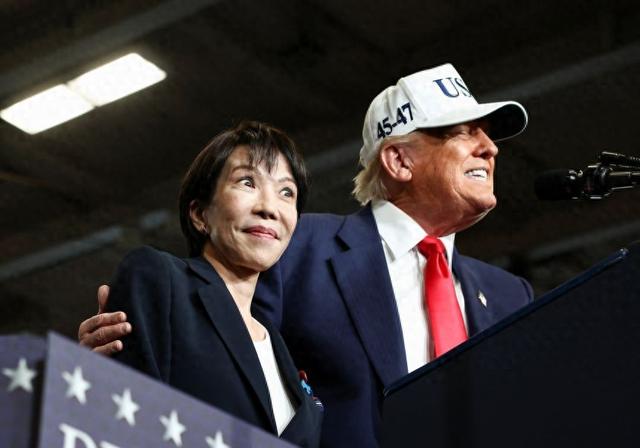
Core Viewpoint - The recent Japanese House of Representatives election resulted in a significant victory for the ruling coalition led by Prime Minister Kishi Suga, with the Liberal Democratic Party (LDP) winning 316 seats, surpassing the two-thirds majority threshold, which allows for potential constitutional amendments [1][11][22]. Election Results - The LDP secured 316 seats, while its coalition partner, the Japan Innovation Party, won 34 seats, bringing the total to 350 seats for the ruling coalition [11][22]. - This election marked the highest number of seats won by the LDP since its establishment in 1955 and the most seats since the electoral reform in 1996 [24]. Implications for Defense Policy - Prime Minister Kishi Suga's administration plans to significantly increase Japan's military capabilities, aiming to raise defense spending to at least 2% of GDP and expand offensive military capabilities [1][15]. - The election results provide a strong mandate for Kishi to pursue constitutional amendments, potentially allowing for the revision of Article 9, which currently restricts Japan's military forces [2][15]. U.S.-Japan Relations - The election outcome is viewed positively by U.S. media, with reports suggesting that it strengthens the U.S.-Japan alliance, particularly in countering perceived threats from China [1][5]. - Kishi has expressed intentions to visit the U.S. on March 19, further solidifying diplomatic ties [2][5]. Public Sentiment and Criticism - The election results reflect a growing recognition among the Japanese public of perceived threats from China, particularly among younger voters who are questioning long-standing pacifist policies [21]. - Critics argue that Kishi's hardline stance towards China could lead to economic repercussions, particularly concerning Japan's access to critical resources like rare earth minerals [21][10]. Future Challenges - Kishi faces the challenge of funding her ambitious economic agenda, which includes significant military investments, amidst concerns that excessive spending could lead to unsustainable national debt levels [10][21].

中金:日本自民党大胜 日元贬值过度会出现外汇干预
Jin Rong Jie· 2026-02-09 00:37
Group 1 - The core viewpoint of the article is that the recent Japanese House of Representatives election resulted in a significant victory for the Liberal Democratic Party (LDP), which secured 316 seats, an increase from 198 seats prior to the election, surpassing previous media poll expectations [1] - The election outcome may lead to a higher likelihood of constitutional amendments being discussed in the medium to long term, although immediate economic policies will remain the top priority [1] - The potential impacts on the capital markets include a notable rise in Japanese stocks, orderly increases in Japanese bond yields (with limited effects on U.S. Treasury yields), and possible foreign exchange interventions if the Japanese yen depreciates excessively, alongside a marginal improvement in global risk sentiment [1]
日本自民党公布竞选承诺 修订“安保三文件”赫然在列
Xin Hua She· 2026-01-21 22:30
Group 1 - The ruling Liberal Democratic Party (LDP) of Japan announced its campaign promises for the upcoming House of Representatives election, focusing on five areas: economy, local issues, foreign and security policy, social security, and constitutional amendments [1] - In the area of foreign and security policy, the LDP's commitments include revising the "three security documents," easing restrictions on weapon exports, establishing a national intelligence agency, and an external intelligence organization [1] - Reports indicate that the Japanese government aims to amend the "three non-nuclear principles," particularly the principle prohibiting the introduction of nuclear weapons, which has raised significant concerns among various sectors in Japan [1] Group 2 - Prime Minister Sanae Takaichi announced the dissolution of the House of Representatives on January 23, with elections scheduled for February 8 [2]