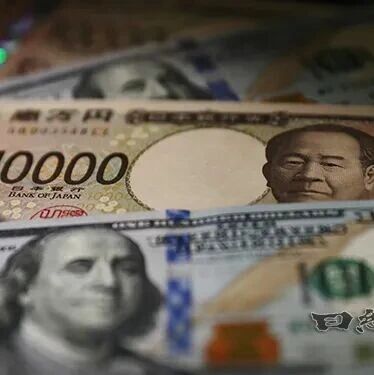
安全货币

Search documents
日元在中东紧张局面下缘何未获买入?
日经中文网· 2026-03-04 02:35
Core Viewpoint - The traditional notion of "buying yen in times of crisis" has diminished, with the yen depreciating due to geopolitical tensions and rising oil prices, leading to concerns over Japan's trade deficit [2][5]. Group 1: Yen Depreciation and Market Sentiment - The yen has recently depreciated against multiple currencies, with the USD/JPY exchange rate reaching 157.90 yen per dollar, the lowest since February 9 [4]. - The yen's status as a "safe currency" has weakened since the 2008 financial crisis, as Japan's trade surplus has turned into a significant trade deficit, exacerbated by rising oil prices [4][5]. - The perception of the yen as a safe haven has shifted, with market participants now favoring the dollar during crises, particularly in light of the ongoing geopolitical risks [7]. Group 2: Impact of Oil Prices on Japan's Economy - The ongoing conflict in the Middle East and potential oil price increases pose a significant risk to Japan's trade balance, with estimates suggesting a trade deficit could approach 10 trillion yen if oil prices rise to the $90-$100 range [9]. - The rising oil prices are expected to contribute to inflation in Japan, complicating the Bank of Japan's monetary policy and making it difficult to initiate interest rate hikes [9]. - Market analysts express concerns that without substantial intervention, the yen could breach the 160 yen per dollar mark, indicating a potential for further depreciation [9].